Everything worth knowing before you go.
Newark, New Jersey's largest city, is located across the Hudson River from Manhattan. Its LGBTQ+ community has become more visible and established over the past two decades. While smaller than some northeastern LGBTQ+ destinations, Newark offers a distinct character and affordability that may appeal to queer travelers.
Newark's LGBTQ+ history is connected to the city's broader social movements. From the mid-20th century, discreet gay bars and bathhouses operated in the city. The queer community, often Black and Latino, formed support networks and cultural spaces despite facing marginalization. The AIDS crisis in the 1980s and 1990s significantly impacted Newark's LGBTQ+ population, leading to increased community organizing and activism that continues to influence local institutions.
In recent years, Newark has undergone urban renewal, with the arts and culture sectors playing a significant role. This development has opened more spaces for LGBTQ+ expression and community gatherings. Pride celebrations, which began in the early 2000s, have expanded, reflecting growing visibility. Today, Newark's LGBTQ+ scene, while not as large as in major metropolitan areas, possesses a grounded community with historical depth.
The Downtown Newark area, particularly around the Arts District (roughly bounded by Market Street, Broad Street, and the riverfront), serves as a primary center for LGBTQ+ social and cultural activity. This district has seen considerable development, with galleries, theaters, music venues, and restaurants occupying historic buildings. The New Jersey Performing Arts Center (NJPAC) in this district often features performers and cultural events that may interest LGBTQ+ audiences.
The Central Ward and surrounding residential areas are home to many LGBTQ+ residents and community organizations, though these areas are more focused on residential life than nightlife. The Ironbound neighborhood, known for its Portuguese and Brazilian communities, also has a growing LGBTQ+ presence and offers various dining and cultural venues.
Newark's bar and nightlife scene is less concentrated than in larger gay destinations. Specific LGBTQ+ venues have operated in the city, but their availability can change. Instead of a dedicated gay bar district, Newark's LGBTQ+ social life is often spread across different venues and events. Many queer residents also visit Jersey City or Manhattan for nightlife.
The city's LGBTQ+ community often centers around arts and cultural institutions rather than exclusively commercial gay venues. NJPAC hosts performances and has been a venue for Pride-related events. Various smaller theaters, galleries, and music venues in the Arts District may program LGBTQ+-focused events. Community organizations and nonprofits offer social programming, support services, and gathering spaces, often hosting events and support groups.
The Newark Pride Festival and Parade typically takes place annually in June. The parade proceeds through downtown streets, followed by a festival with live performances, vendors, and community organizations. This event has grown and draws participants from the region. The celebration highlights community, cultural expression, and activism.
Throughout the year, various cultural institutions and community organizations may host LGBTQ+-focused programming, such as film screenings, panel discussions, theater performances, and social events. Information on current events and programming is best obtained directly from local LGBTQ+ organizations and venues.
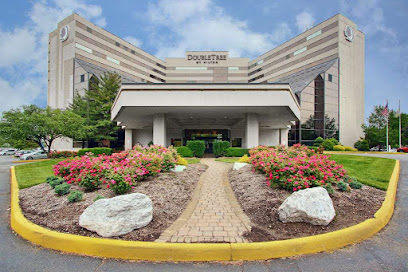
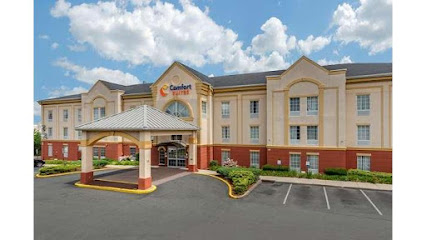
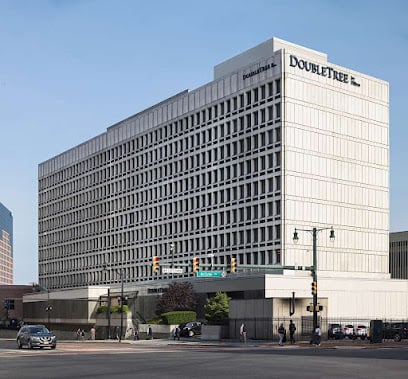
Newark has limited LGBTQ+-specific accommodation. Hotels in the downtown area, particularly near the Arts District or waterfront, are generally welcoming to LGBTQ+ guests and convenient for accessing cultural venues. Many travelers opt to stay in nearby Jersey City or commute from Manhattan, which offers more extensive lodging options. For longer stays, apartments and short-term rentals are available through platforms like Airbnb and Vrbo.
Newark is served by NJ Transit bus and rail lines, with Newark Penn Station as a major hub. This station provides connections to New York Penn Station via the Northeast Corridor rail line, the PATH train system to Hudson County and Manhattan, and various local bus routes. The City Bus system offers local transportation within Newark, with service varying by neighborhood and time. The downtown area, especially the Arts District, is walkable. For exploring other neighborhoods, using rideshare services or planning routes with NJ Transit is recommended. The waterfront area along the Passaic River has developed parks and paths that are accessible on foot. As with many urban areas, exercising caution and awareness of surroundings is advisable, particularly in less populated areas or during nighttime hours.
Newark offers a range of dining options reflecting its diverse communities. The Ironbound neighborhood is known for Portuguese and Brazilian restaurants. The downtown Arts District also features a growing variety of restaurants and cafes. Food halls and casual dining spots in the downtown area offer diverse cuisines, including Italian, Portuguese, Brazilian, Caribbean, and Asian.
Newark's proximity to New York City (approximately 8 miles) allows for easy access to Manhattan's LGBTQ+ resources while providing a base in a more affordable city. Direct rail service makes commuting simple. Within Newark, cultural attractions include the Newark Museum and the New Jersey Performing Arts Center. The revitalized waterfront area offers parks and recreational spaces. Nearby Jersey City also has its own attractions and a developing cultural scene.
Newark, like other American cities, has areas with varying safety levels. The downtown Arts District and cultural venues are generally considered safe and well-trafficked, especially during daytime and evening hours when events are occurring. Standard urban safety practices, such as being aware of one's surroundings, using well-lit routes, and utilizing reliable transportation, are recommended. Overt displays of affection between same-sex couples are generally accepted in progressive areas like the Arts District and community spaces.




 Gay-Friendly Bars & Clubs
(274)
Gay-Friendly Bars & Clubs
(274)