Everything worth knowing before you go.
Spokane’s LGBTQ+ scene started underground in the late 20th century. Now, there's a visible, organized presence. Spokane Pride, the city's annual event, has grown considerably. Spokane has businesses and organizations that serve the Inland Northwest’s queer community. The population here mixes long-term residents, Gonzaga University students, and outdoor enthusiasts. Compared to bigger West Coast cities, Spokane's queer infrastructure is smaller. But it's also more intimate, less commercial. Just know that acceptance levels can shift depending on the neighborhood and surrounding areas.
Downtown Spokane is where most of the LGBTQ+ nightlife and community events happen. It's full of restored historic buildings with bars, restaurants, and cultural spots. Since it's walkable and has a lot of welcoming businesses, it's a good home base for visitors. Northeast of downtown, the Logan neighborhood, where Gonzaga University is, brings a younger crowd and student-group energy to the queer community. Nearby residential areas like Browne's Addition, the South Perry District, and the Garland District are popular with queer residents for their walkability and independent businesses.
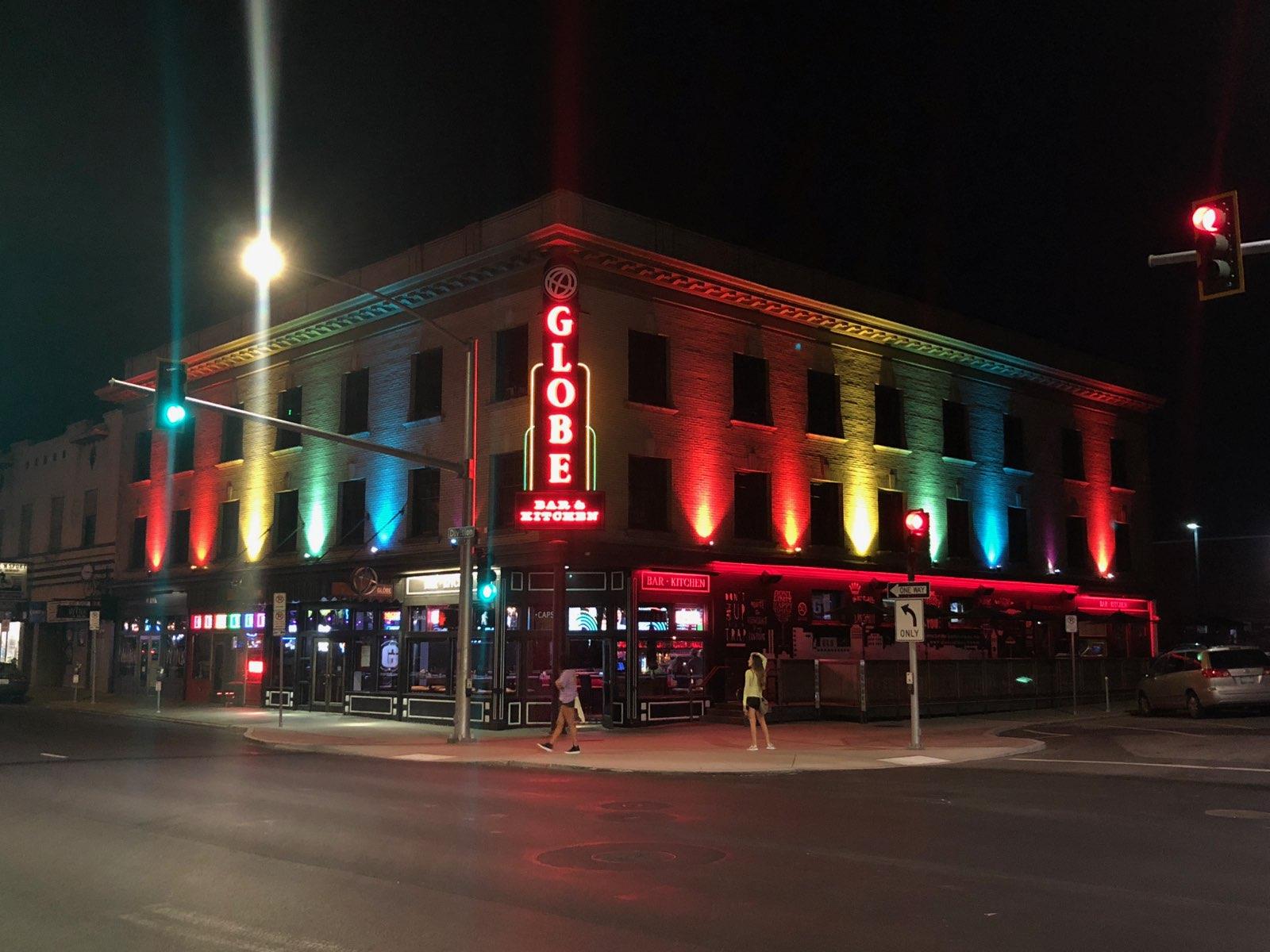
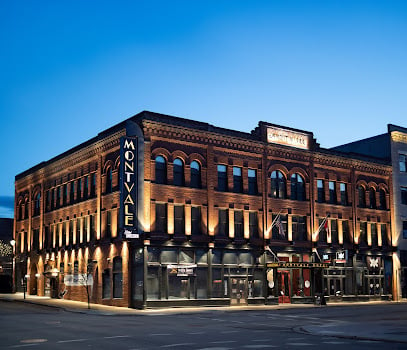
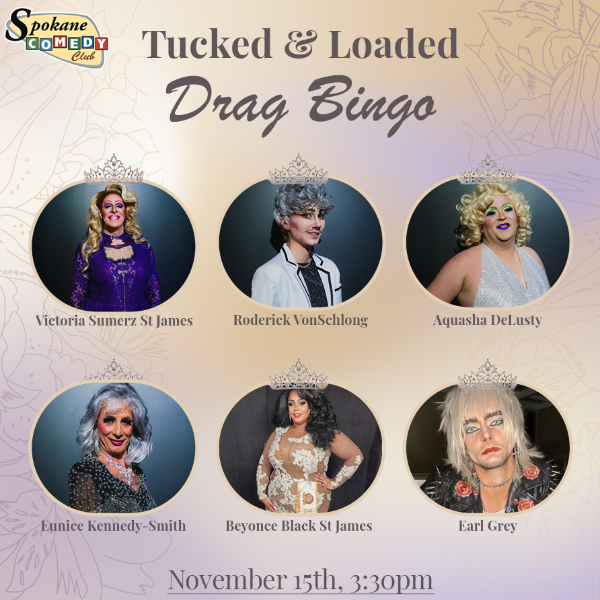
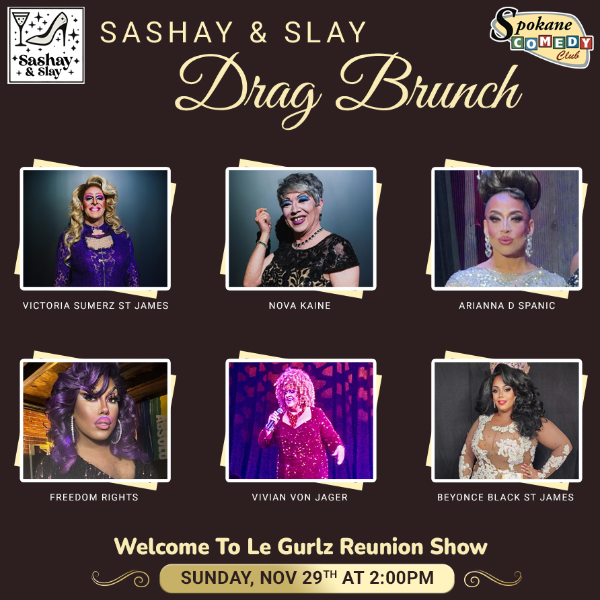
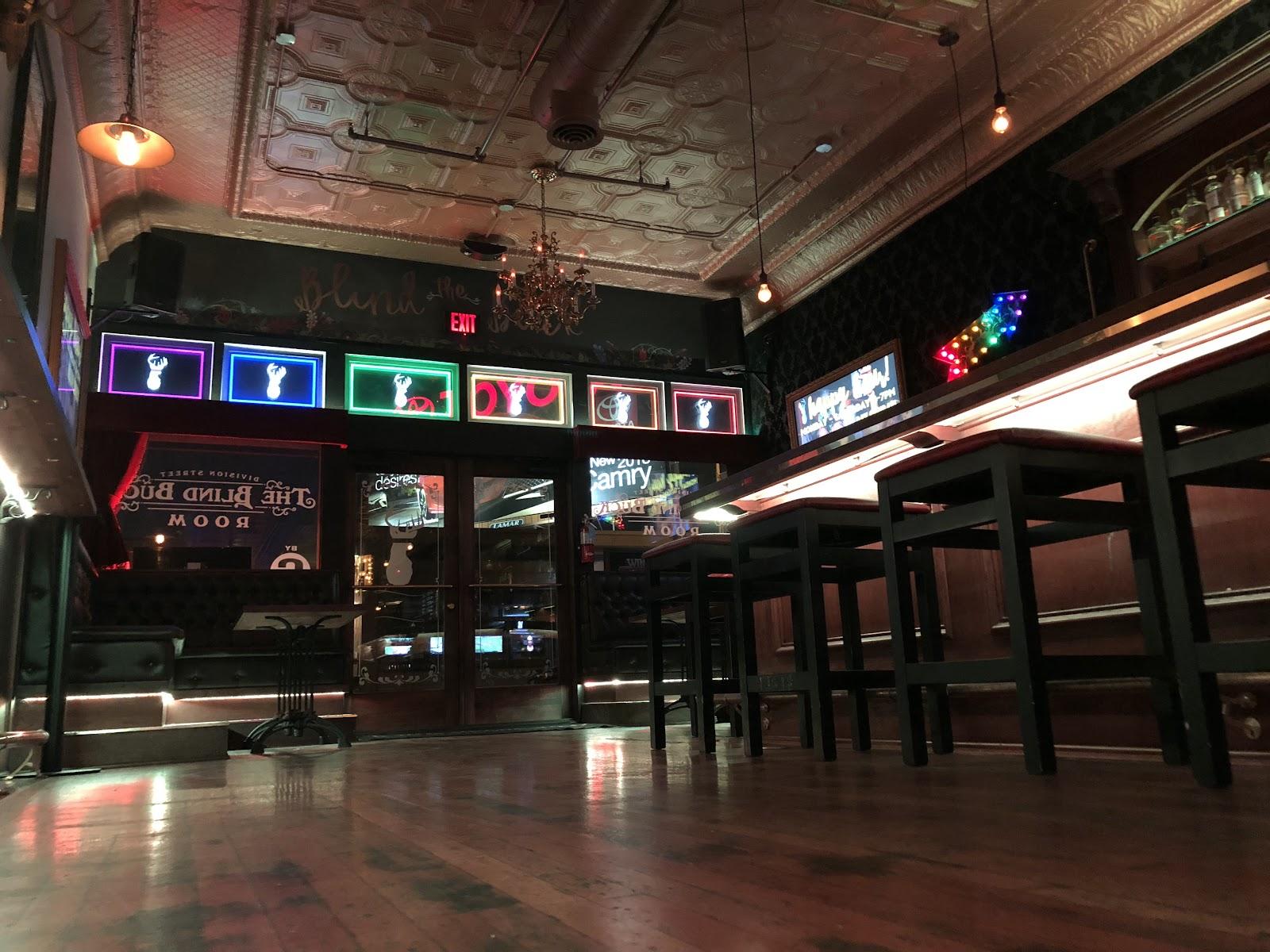
Spokane's queer nightlife centers on two blocks of West Sprague Avenue downtown. nYne Bar & Bistro (232 W Sprague) is the main LGBTQ+-owned gay bar, known for drag shows and themed nights. Next door, The Q Lounge (228 W Sprague) is a queer bar and community space that hosts live music, comedy, and open-mic nights. A short walk away on North Division Street, The Blind Buck and Globe Bar & Kitchen offer craft cocktails, drag, and weekend dance nights. While older spots like Dempsey's Brass Rail have closed, this compact downtown cluster makes the scene easy to walk to. Spokane doesn't have a gay sauna or bathhouse; dedicated community spaces are mostly found through organizations and events. The closest bathhouses are in Seattle.
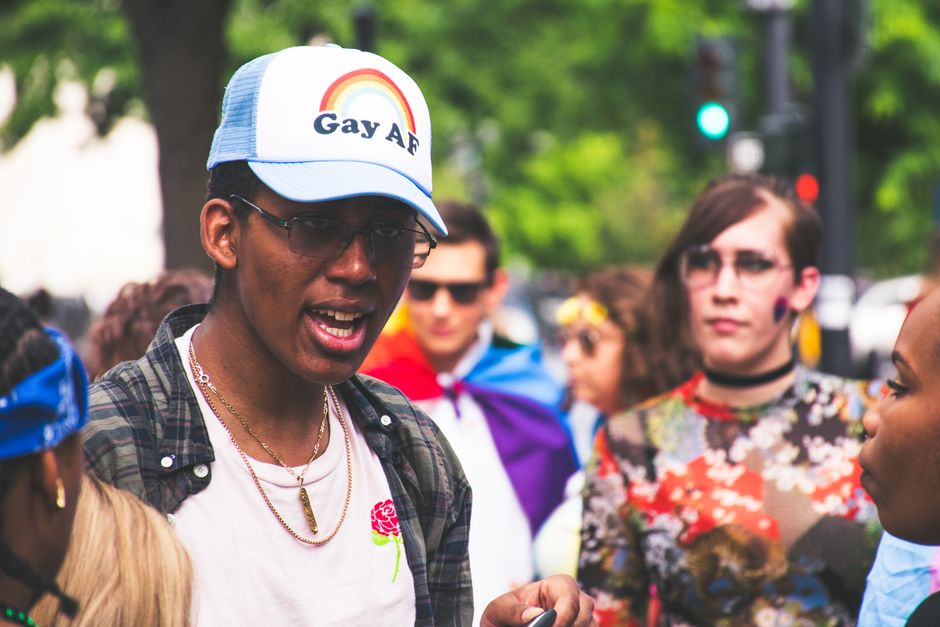
Spokane Pride, the Inland Northwest's biggest Pride celebration, happens every June (usually the second Saturday). It features a parade and festival in downtown's Riverfront Park, drawing tens of thousands of people to vendor areas and community organization booths. Pride weekend often includes related parties and social events at downtown venues. Throughout the year, the community hosts smaller gatherings like events at community centers, film screenings, and social mixers.
For easy access to LGBTQ+ venues and events, stay downtown. The historic Davenport Hotel and the modern Hotel Ruby are downtown choices, along with various chain and independent hotels. The Logan neighborhood, northeast of downtown near Gonzaga University, has quieter places to stay and still offers easy access downtown. Extended stay options are available across the city.
Spokane is generally safe for LGBTQ+ travelers. Downtown is actively patrolled and populated. However, attitudes can be more conservative in some outlying neighborhoods and rural areas of Eastern Washington compared to Western Washington. Downtown and university areas tend to be more welcoming and diverse. Basic urban safety precautions apply, especially late at night. While targeted violent crime isn’t common, incidents can happen. Local LGBTQ+ organizations and venues can give you current safety info.
Downtown Spokane is walkable, so you can get to many bars, restaurants, and venues on foot. Spokane Transit Authority buses run throughout the city, though less often than in bigger West Coast cities. Uber and Lyft are available, including late at night. Rental cars can be useful for exploring outside the city, but you don't need one for downtown.
Downtown Spokane has a diverse restaurant scene, from casual to fine dining. Many places are LGBTQ+-owned or openly welcoming. West of the city, wine country offers more dining and tasting. Local food includes farm-to-table restaurants, breweries, and cafes with a Pacific Northwest feel.
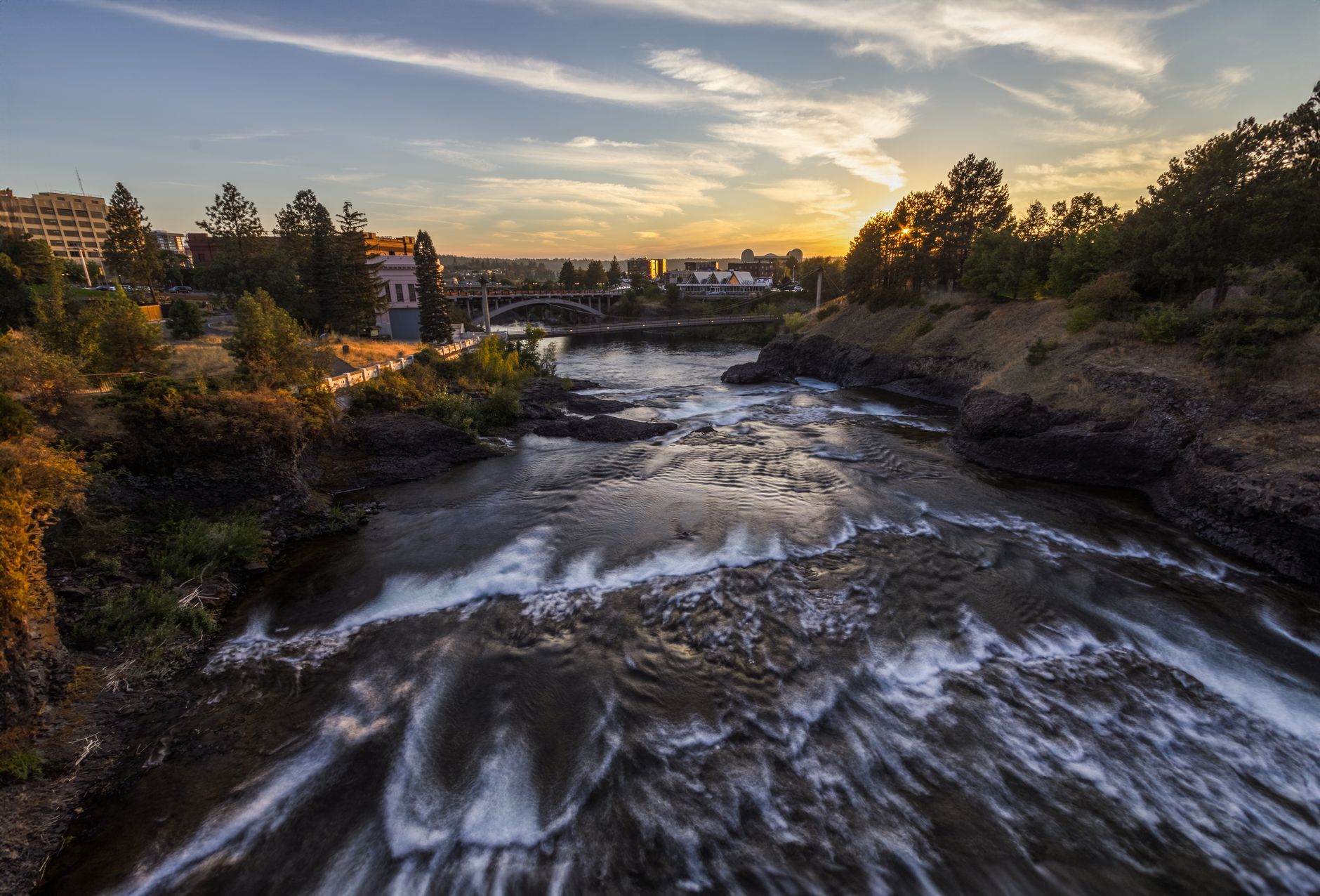
Spokane's location means lots of outdoor recreation. The Spokane River has trails for walking and biking, plus kayaking and fishing. Riverside State Park, just outside the city, offers hiking, camping, and water activities. Coeur d'Alene, Idaho, is close to Gonzaga and has more outdoor and dining options. To the west, the wine country around Walla Walla and the Palouse region offer scenic drives, wineries, and historic towns. Major Washington attractions like Mount Rainier and the Cascades are a 3-4 hour drive away. The lands of the Salish Coeur d'Alene tribes offer cultural experiences and natural areas.
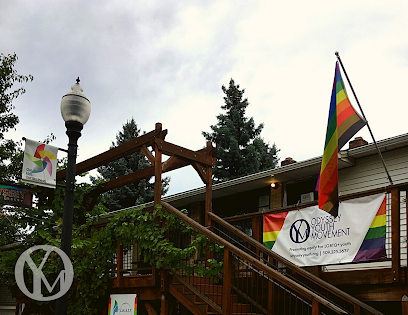
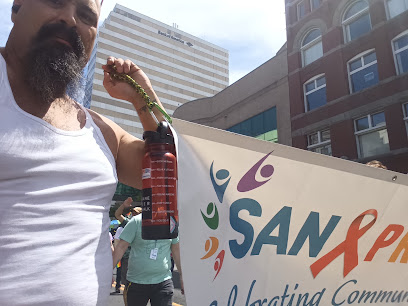
Organizations like Spokane Pride (which runs the annual festival), Spectrum Center Spokane, the youth-focused Odyssey Youth Movement, PFLAG Spokane, and the Spokane AIDS Network provide community info, support, and event details. Online community boards, social media groups, and venue websites are good for finding out what's happening. LGBTQ+ organizations at Gonzaga and other schools also add to community life.
Spokane gives LGBTQ+ travelers a smaller-city experience with real community connections, outdoor access, and growing visibility. It may not have the big-city infrastructure, but it offers authentic engagement, affordability, and natural beauty. Check venue info before you go, as nightlife can change. If you're looking for a more relaxed LGBTQ+ experience with ties to the Pacific Northwest, Spokane's a good choice.






 Gay Bars & Clubs
Featured
(118)