Marriage equality since Obergefell v. Hodges (26 June 2015). The Respect for Marriage Act (December 2022) provides a congressional floor, requiring federal recognition of all valid same-sex and interracial marriages regardless of future Supreme Court rulings. Bostock v. Clayton County (2020) held that Title VII of the Civil Rights Act prohibits employment discrimination on the basis of sexual orientation and gender identity. No comprehensive federal anti-discrimination law in housing or public…
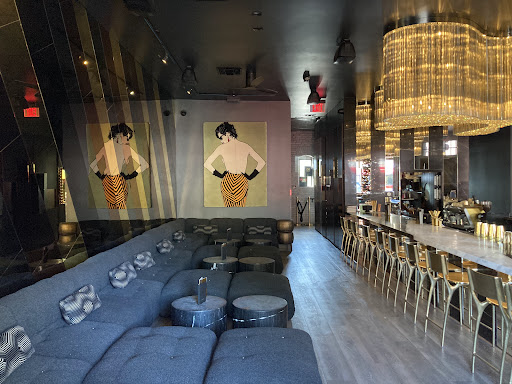
West Hollywood's most famous LGBTQ+ bar and restaurant — multiple indoor and outdoor spaces, celebrity clientele, full food menu, and the most photographed outdoor patio in WeHo.
WeHo's beloved Mexican restaurant and bar — huge outdoor patio, affordable margaritas, and the most accessible price point on Santa Monica Blvd. A neighbourhood staple for locals and visitors.
This stylish, all-suite hotel on a tree-lined street is 2 blocks from the Sunset Strip and 2 miles from the designer boutiques and trendy eateries on Rodeo Drive.
Set on a tree-lined residential street, this relaxed, all-suite hotel is 2 miles from The Grove outdoor mall and 2.5 miles from the Los Angeles County Museum of Art.
West Hollywood's rise as a gay destination is woven into Los Angeles history. From the 1960s onward, the pockets around Santa Monica Boulevard became a refuge for LGBTQ+ Angelenos, and by the 1970s and 1980s the area had established itself as the gay capital of the West Coast. The AIDS crisis hit the community hard in the 1980s and 1990s, and the city became a centre for activism, care and remembrance. That legacy still shapes local politics and public health services today.
The defining moment came in 1984, when residents voted to incorporate West Hollywood as an independent city. Its first city council held a majority of openly gay and lesbian members, a national first, and the city has used that political foundation to advance LGBTQ+ rights ever since. Note that the Los Angeles LGBT Center, one of the largest LGBTQ+ nonprofits in the world, is located in Hollywood within the City of Los Angeles rather than in West Hollywood; the Center's West Hollywood satellite clinic on Santa Monica Boulevard closed in 2025, with services consolidated at the Hollywood campus.
Neighborhoods and Geography
West Hollywood proper covers roughly 1.9 square miles. It is bounded approximately by Beverly Hills to the west, the City of Los Angeles (around La Brea Avenue and Hollywood) to the east, the Hollywood Hills and Sunset Boulevard to the north, and Beverly Boulevard and Melrose Avenue to the south. It is a genuinely separate municipality, not a district of Los Angeles.
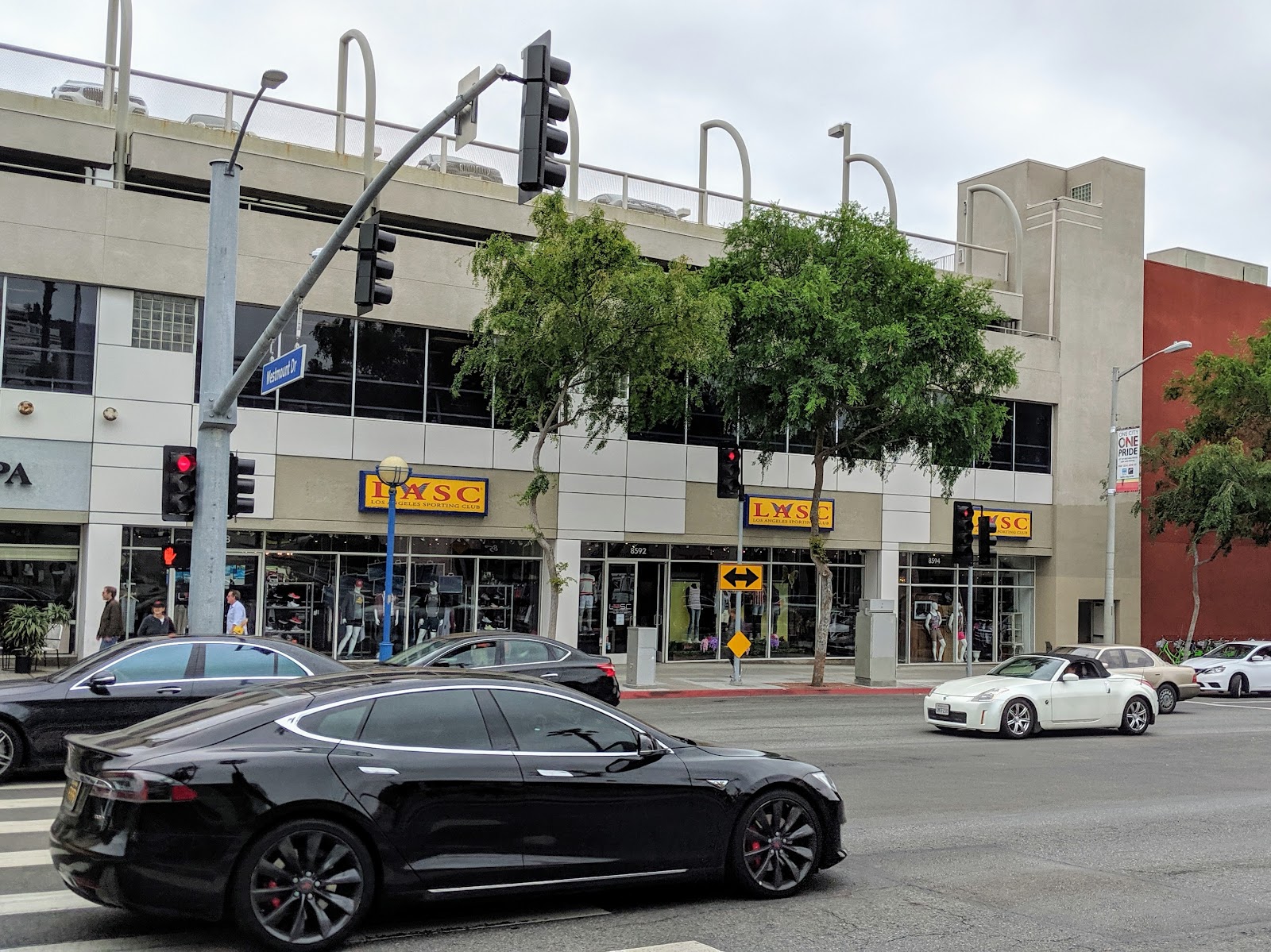
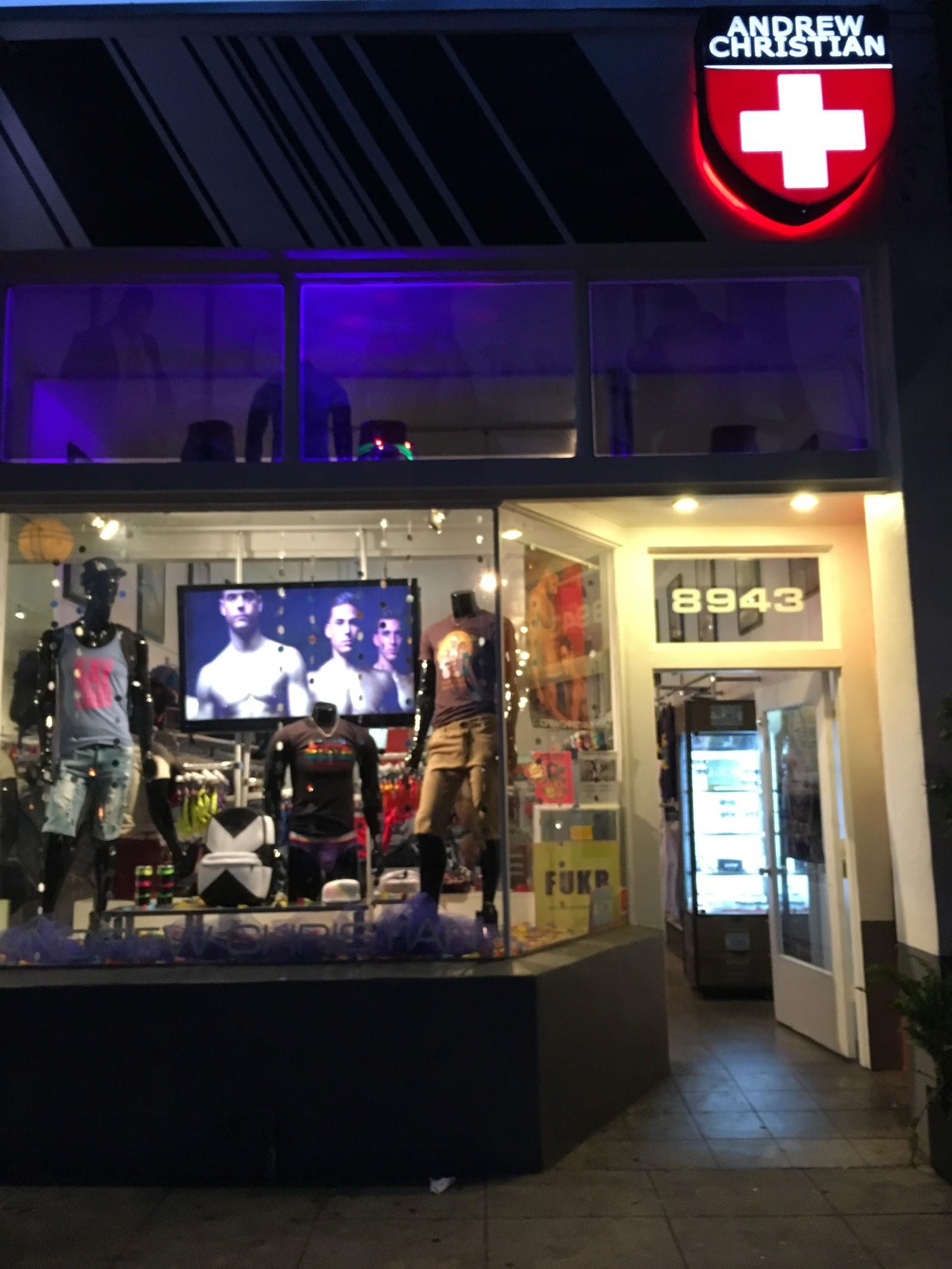
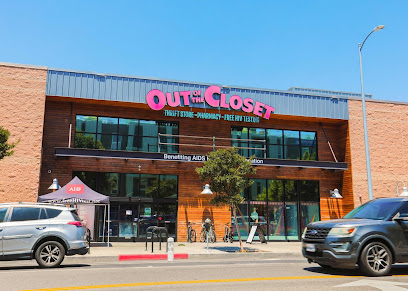
The spine of gay West Hollywood is the Santa Monica Boulevard corridor between La Cienega Boulevard and Doheny Drive. In November 2025 the city formally designated this roughly one-mile stretch the "Rainbow District," retiring the older nickname "Boystown." This is where the great majority of LGBTQ+ bars, clubs, restaurants and shops cluster, and it is very walkable. The tree-lined residential streets just north of the boulevard are quieter and popular with locals.
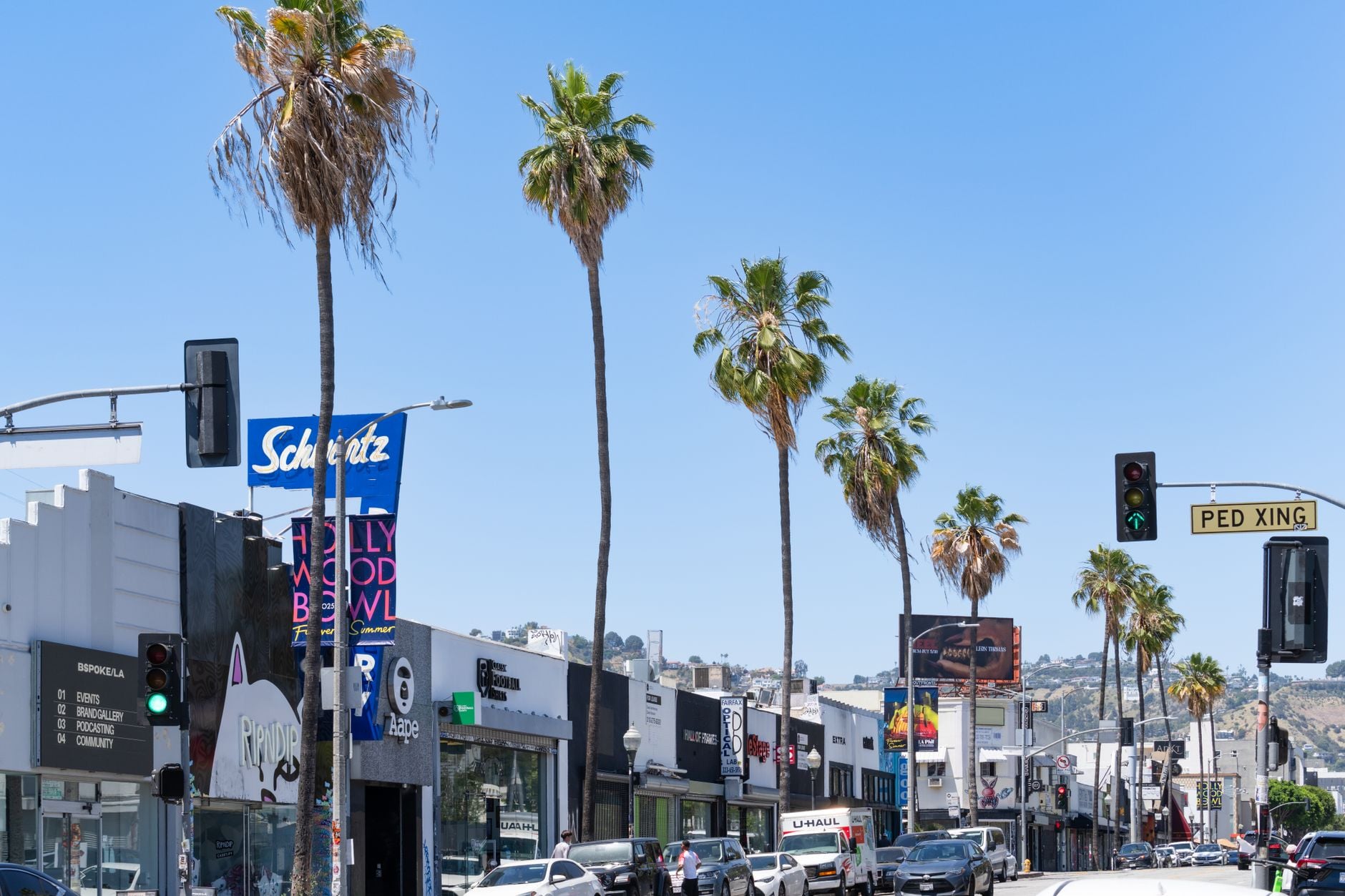
The Sunset Strip, running along Sunset Boulevard at the city's northern edge, is famous for its rock clubs and restaurants (the Roxy, the Whisky a Go Go, the Rainbow Bar & Grill). These are mainstream music venues, not gay bars, though the crowd is diverse and the area is welcoming. Melrose Avenue and the Design District to the south are upscale shopping and dining, LGBTQ+-friendly but not a gay zone.
Key Venues and Nightlife
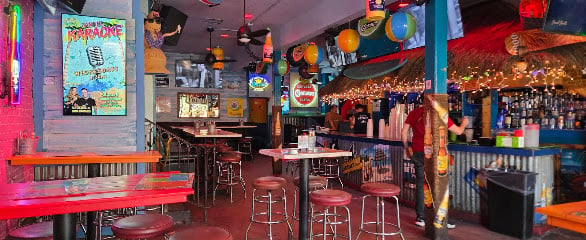
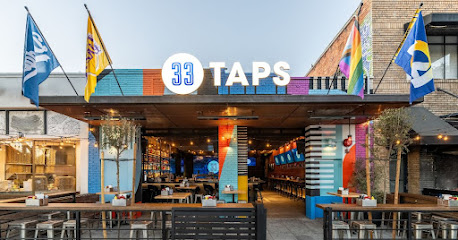
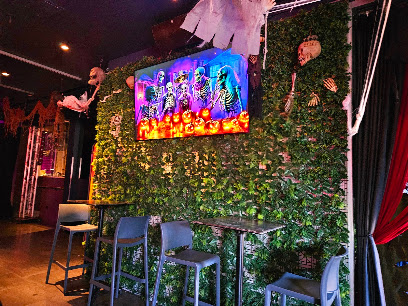
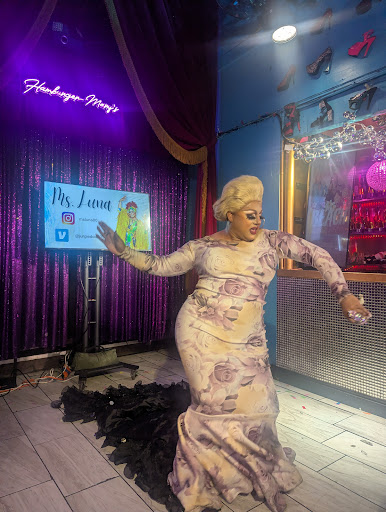
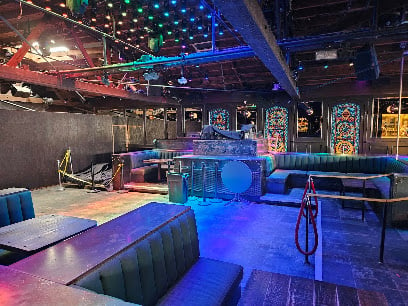
The Abbey Food & Bar on Robertson Boulevard is the anchor of the scene and one of the most famous gay bars in the world, built around a sprawling outdoor patio and open from daytime coffee through late-night dancing; its adjoining nightclub, The Chapel at The Abbey, hosts the bigger DJ and drag nights. Along the Santa Monica Boulevard strip you will find Micky's (a long-running dance club dating to 1989), Revolver (a video and dance bar), Hi Tops (a queer sports bar), Trunks (a tiny classic dive), Mother Lode (the beloved neighbourhood dive), The Wild (a nightclub and drag room), Hamburger Mary's (drag brunch and bingo), Fiesta Cantina (a gay-popular Mexican bar and patio), and GymBar (a gay sports bar).
Newer additions have reshaped the strip: OR Bar opened in 2022 in the former Gold Coast space, Roosterfish reopened in West Hollywood in 2024, Mattie's took over the former Rocco's, and Beaches Tropicana brought a Cuban-American restaurant and drag nightclub to the former Rage location. The nightlife landscape changes quickly, so it is always worth checking current listings and each venue's social feeds before a visit. Several longtime bars have closed in recent years, including The Rage, Flaming Saddles and the Gold Coast, all in 2020.
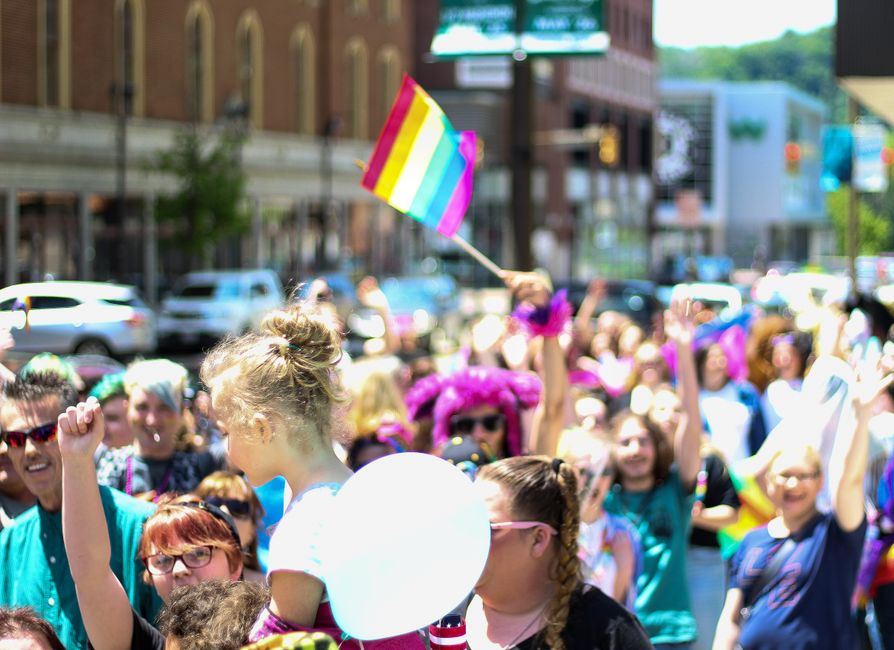
West Hollywood runs its own Pride, separate from LA Pride, since 2020. WeHo Pride takes place in early June, centred on West Hollywood Park and the Santa Monica Boulevard Rainbow District; the 2026 edition runs Friday June 5 to Sunday June 7. The weekend includes the WeHo Pride Parade (Sunday, west along Santa Monica Boulevard), the Dyke March and Women's Freedom Festival, and the ticketed WeHo Pride OUTLOUD music festival. Attendance runs into the hundreds of thousands.
The city's other mega-event is the West Hollywood Halloween Carnaval, a free street party along Santa Monica Boulevard on October 31 that has historically drawn crowds estimated near half a million. Beyond these, the calendar features circuit parties, the summer Outfest LGBTQ+ film festival (screened around greater Los Angeles), and steady drag, trivia and dance programming at the bars.
Where to Stay
West Hollywood has a strong stock of boutique and luxury hotels within walking distance of the Rainbow District, including the Andaz West Hollywood and Mondrian on the Sunset Strip, the Chamberlain, Le Montrose and Le Parc suites just south, and the rock-and-roll Sunset Marquis. The San Vicente Inn near the boulevard has long marketed to gay travellers. Staying on or near Santa Monica Boulevard puts you in the middle of the action, while the residential streets to the north offer a quieter base a short walk away.
The dining scene is excellent and heavily LGBTQ+-friendly. Santa Monica Boulevard and the surrounding streets run from casual cafes to upscale restaurants, and many of the bars serve food, with The Abbey known for its brunch and all-day menu and Hamburger Mary's for its drag brunch. Expect the full Los Angeles range of cuisines within a few blocks.
Transportation
West Hollywood is served by Metro buses rather than rail; the closest rail is the Metro B Line (Red Line) subway through Hollywood, a short rideshare from the strip. A long-planned Metro rail line through West Hollywood remains years away. Renting a car is common in Los Angeles, but street parking on the boulevard is tight and often paid, so many visitors rely on Uber and Lyft, especially for nights that involve drinking. The Rainbow District itself is very walkable.
Safety Considerations
West Hollywood is generally safe and welcoming for LGBTQ+ travellers, particularly along the main boulevard. Standard urban precautions apply: watch your belongings, stay aware late at night, and use rideshare or a designated driver after drinking. Crowds swell dramatically during Pride weekend and the Halloween Carnaval, so plan for congestion and road closures on those dates.
Day Trips and Nearby Attractions
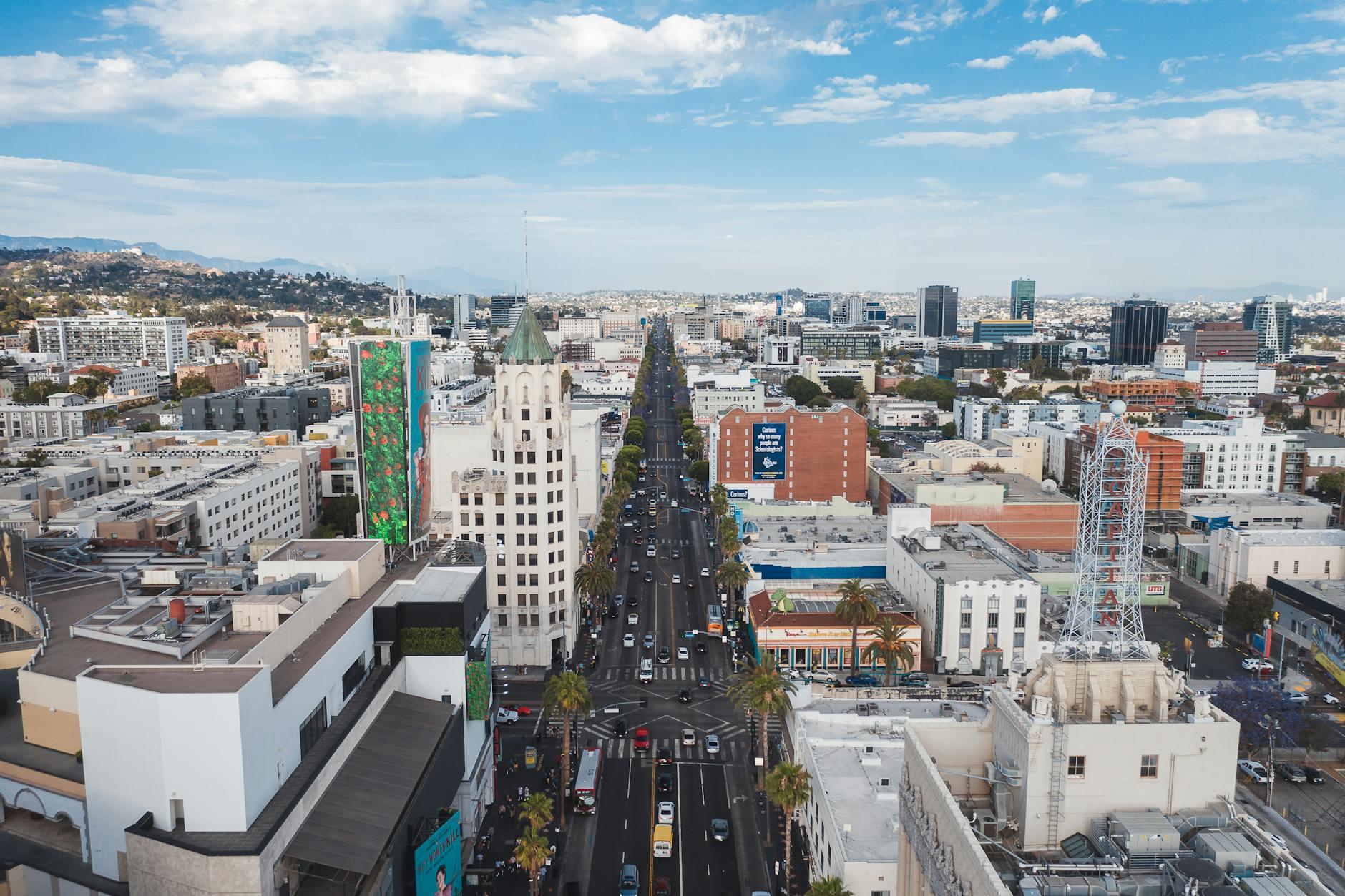
From West Hollywood you are minutes from the Sunset Strip, the Hollywood Walk of Fame and TCL Chinese Theatre, Griffith Observatory and the Hollywood Sign viewpoints, and the shops of the Beverly Hills Golden Triangle. The Getty Center's art collection sits just west, and the beaches at Santa Monica and Venice are roughly half an hour away by car. Downtown Los Angeles and its museums are a short drive or rideshare to the east.
Practical Information
West Hollywood enjoys Southern California's mild, dry climate year-round, with hot Pride-season Junes and comfortable winters. Cedars-Sinai Medical Center, a major regional hospital, is on the city's southwest edge. For current venue and event information, the City of West Hollywood and Visit West Hollywood websites, along with local outlets such as WeHo Times and the Los Angeles Blade, publish up-to-date listings. Whether you come for Pride, the Halloween Carnaval, or simply a weekend on the strip, West Hollywood remains one of the world's essential LGBTQ+ destinations.
Frequently asked questions
The Santa Monica Boulevard strip between La Cienega Boulevard and Doheny Drive is the heart of gay West Hollywood. In 2025 the city formally named it the Rainbow District (long nicknamed Boystown); it packs most of WeHo's gay bars, clubs and shops into one walkable mile.
West Hollywood runs its own Pride each June, separate from LA Pride, organised by the City of West Hollywood. The 2026 edition runs June 5-7 and includes the WeHo Pride Parade, the Dyke March and the OUTLOUD music festival, centred on West Hollywood Park and Santa Monica Boulevard.
West Hollywood offers accommodations ranging from luxury hotels to more budget-friendly options. Many hotels cater specifically to LGBTQ+ travelers and are located within walking distance of Santa Monica Boulevard's main attractions.
The Rainbow District is dense with gay bars, dance clubs, drag venues, cocktail lounges and restaurants, from The Abbey and Micky's to Revolver, The Wild, Hi Tops and Hamburger Mary's, plus gay retail. Note there is no gay bathhouse or sauna inside West Hollywood itself; the nearest are in Hollywood and North Hollywood.
Yes. The biggest is the West Hollywood Halloween Carnaval, a free street party on Santa Monica Boulevard every October 31 that draws crowds estimated near half a million. The city also sees circuit parties through spring and summer and hosts screenings tied to the Outfest LGBTQ+ film festival.
The city is easily accessible from Los Angeles International Airport, approximately 30 minutes away by car.
Your privacy choices.
We use cookies to run GayOut and, with your consent, measure usage. Learn more
Your privacy choices
We use cookies to keep GayOut running, remember your preferences, and (with your permission) measure how the site is used. You can accept all, reject all, or pick what you allow. Learn more
Essential
Required for sign-in, fraud prevention, CSRF protection and remembering your language. Cannot be disabled.
Always on
Remembers your favourites, dark mode and other interface preferences across visits.
Helps us understand which pages people visit (Google Analytics, server-side stats) so we can improve.
Used by campaign tracking pixels. None are active right now, reserved for future use.
Install GayOut
Add GayOut to your home screen for faster access, offline favourites, and Pride alerts.







 Gay Bars & Clubs
Featured
(1002)
Gay Bars & Clubs
Featured
(1002)