Same-sex marriage (Ehe für alle) legalised 1 October 2017. Civil partnerships (Lebenspartnerschaft) had been available since 2001. Joint adoption rights for same-sex couples since 2017. Strong federal anti-discrimination protections (AGG, General Equal Treatment Act 2006) covering employment, goods and services. Conversion therapy banned for minors 2020; full ban for adults proposed but not yet enacted as of 2026. Trans legal gender change requires psychological assessment and court order…
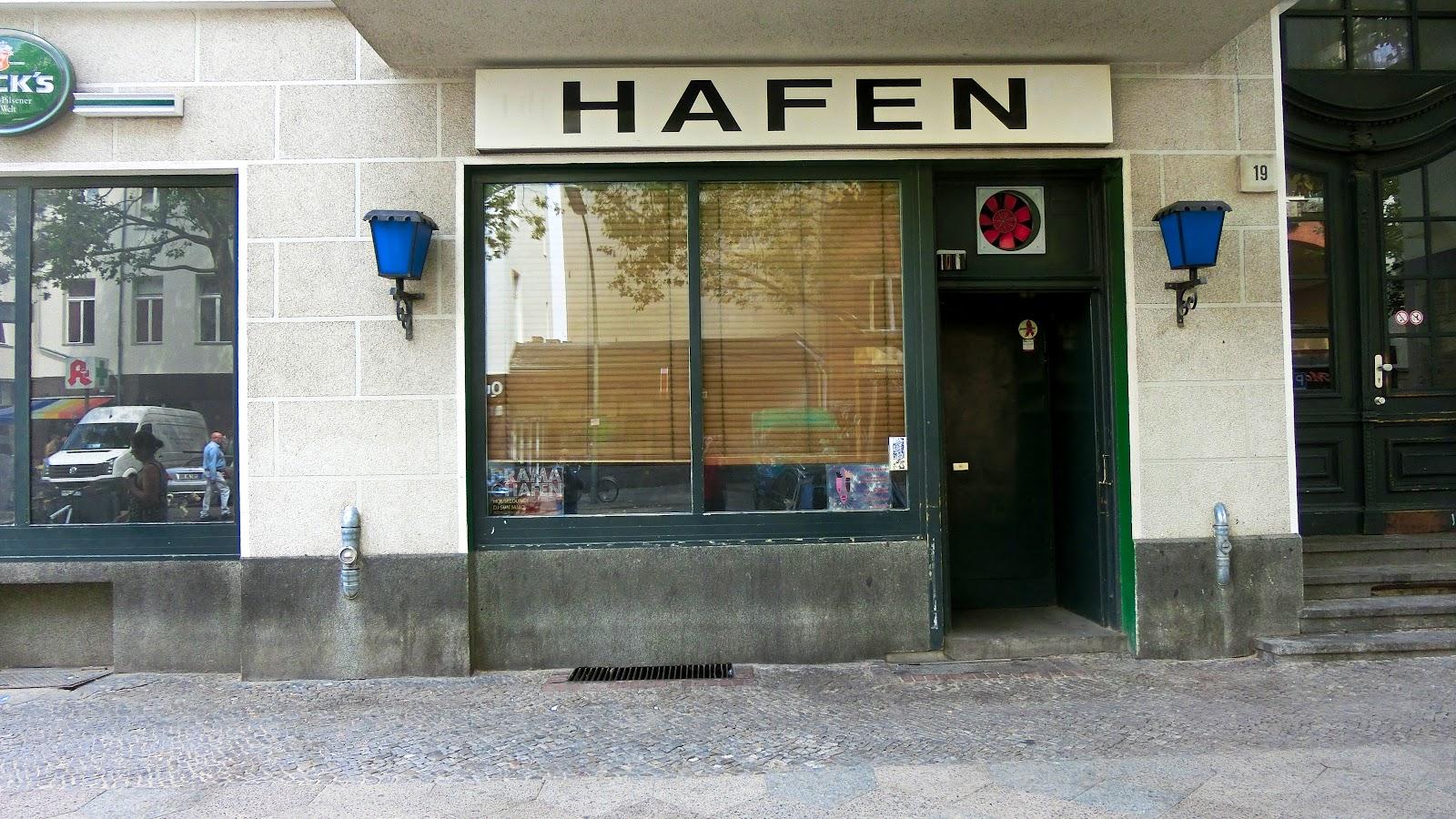
Schöneberg landmark on the Motzstraße — one of the oldest surviving gay bars in Berlin's historic gay neighbourhood. Pool table, no nonsense, loyal regular crowd. The anchor of old Schöneberg.
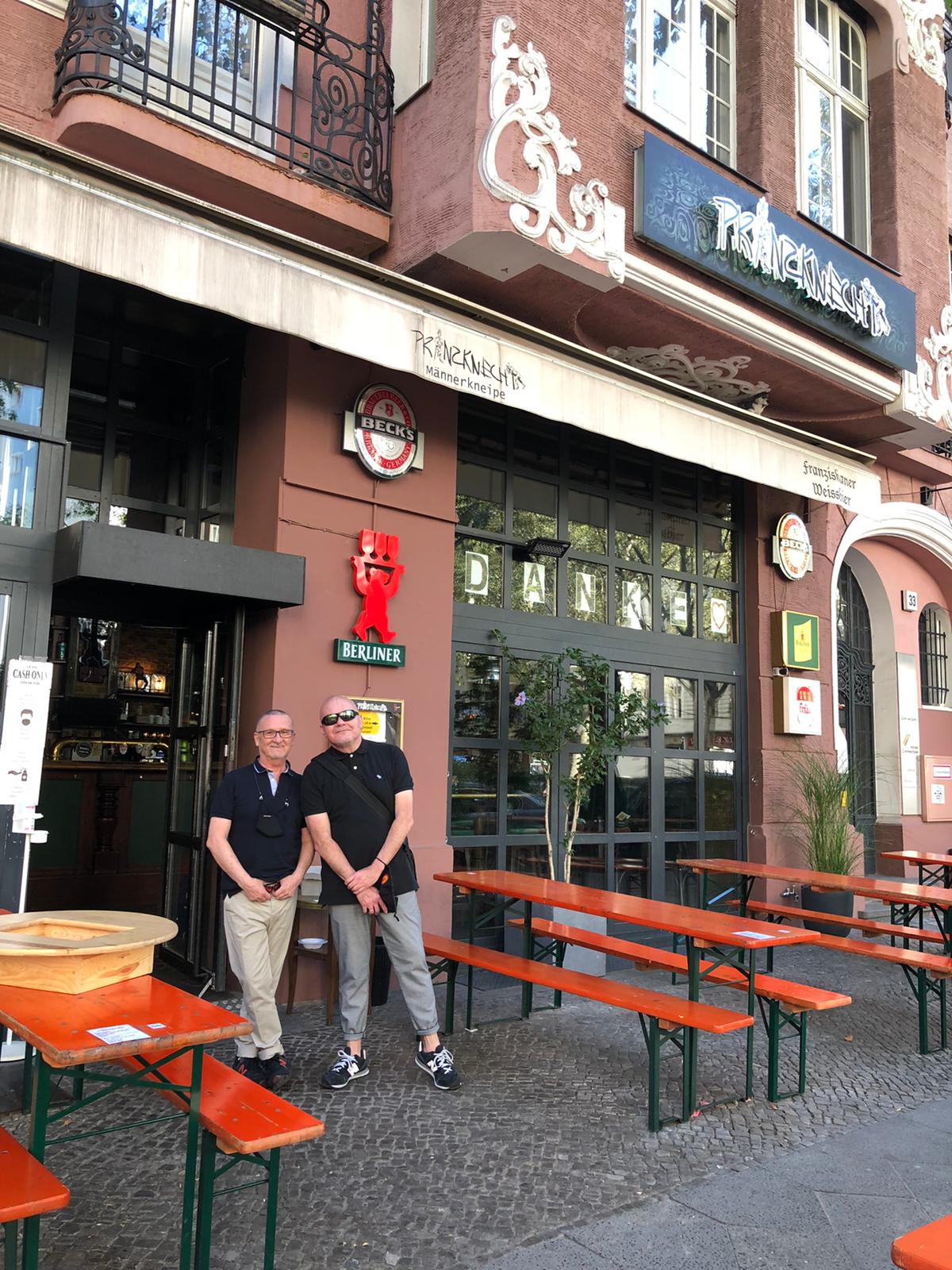
Schöneberg's bear, cub, and Daddy bar — leather, plaid, denim and the most welcoming atmosphere on Fuggerstraße. Regular themed nights and one of the largest bar spaces in the neighbourhood.
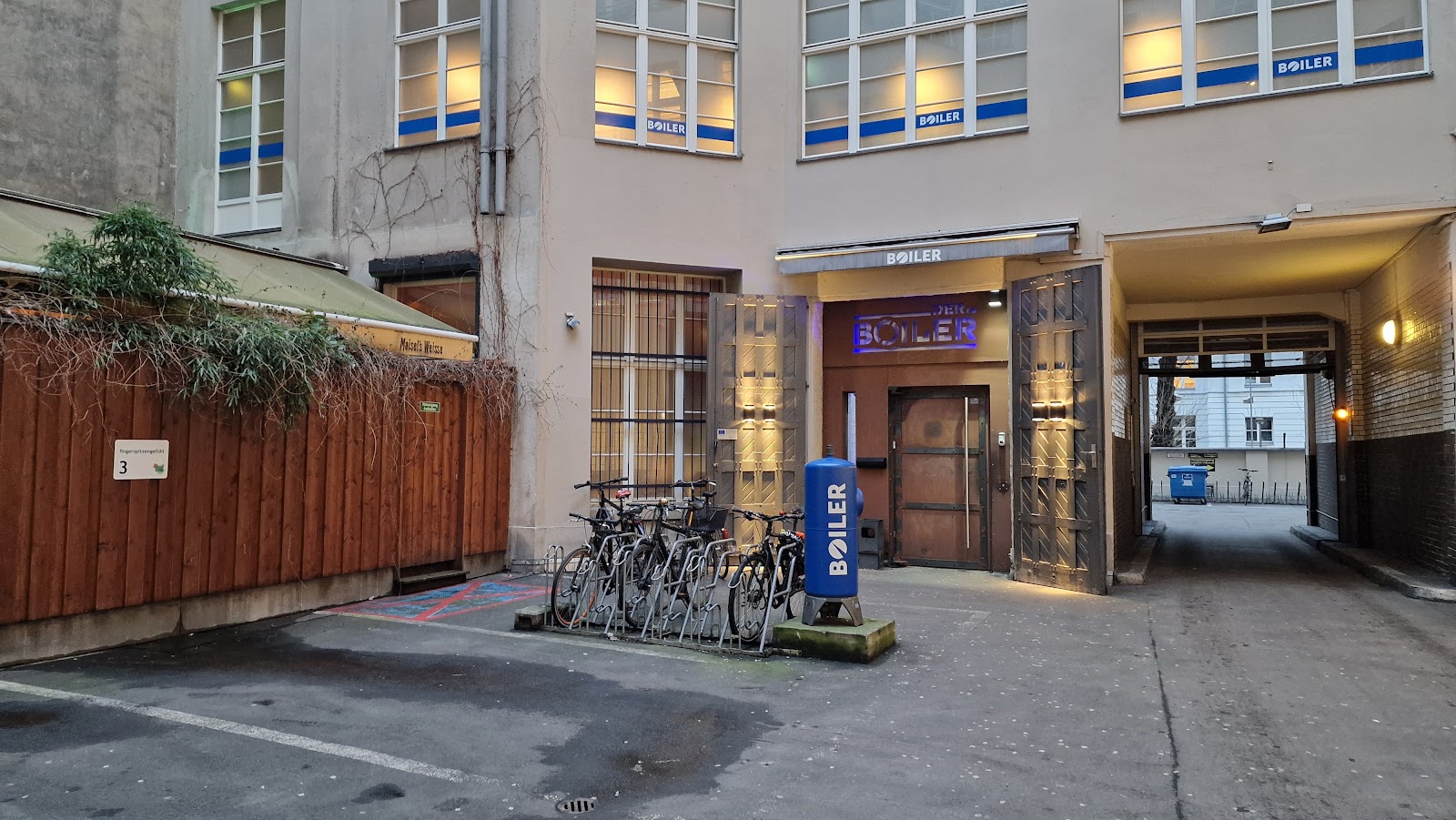
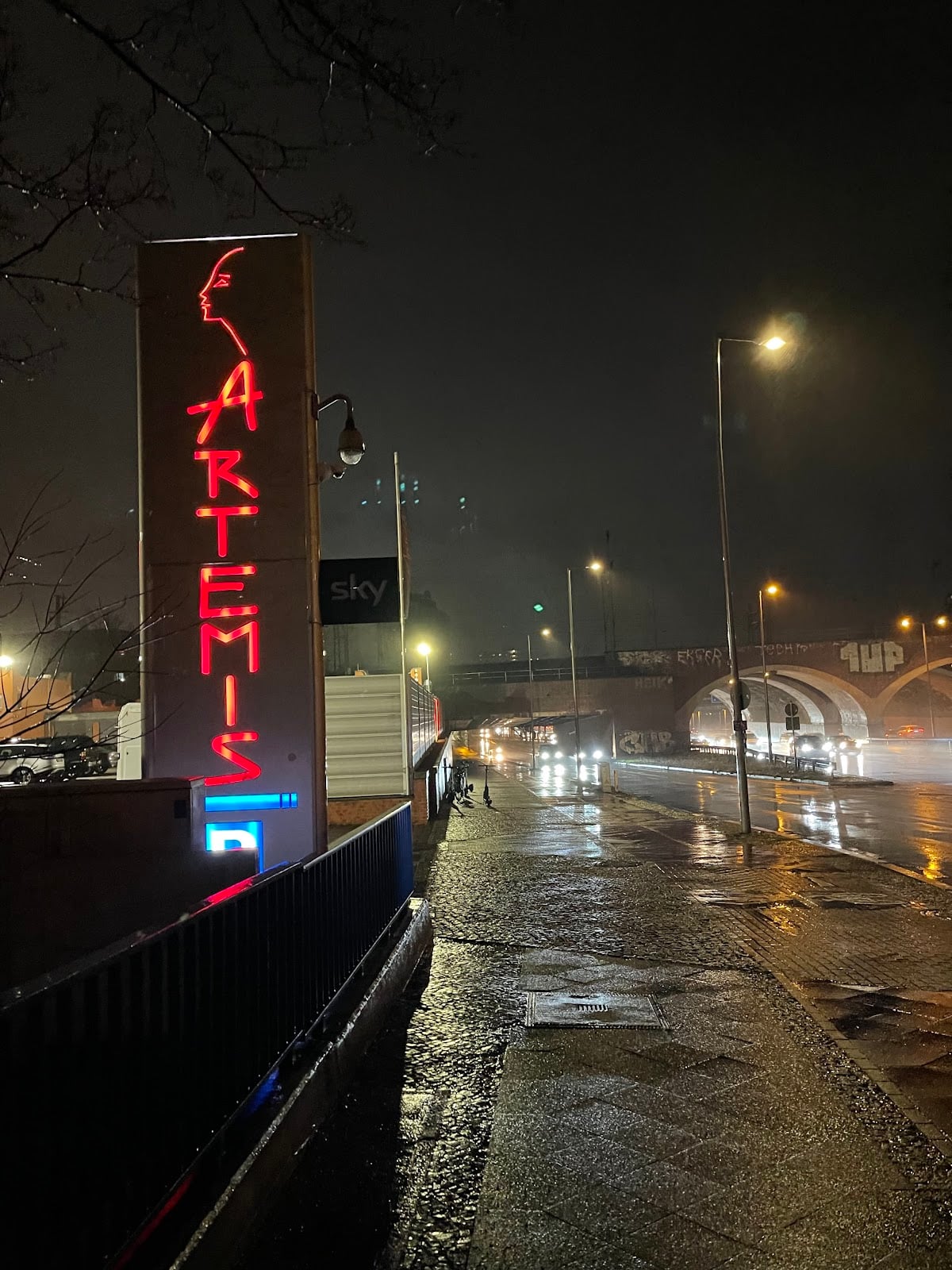
This popular sauna is located in Kreuzberg. You can have drinks and snacks inside the bar. Facilities are very clean, nice looking guys with a wide range of ages.
Germany's oldest LGBTQ+ bookshop — open since 1978 on the Motzstraße in Schöneberg. Comprehensive stock of gay, lesbian, trans and queer literature, theory, history and fiction. A Berlin institution.
Gay adult store, apartments and online shop . RoB Berlin has private playrooms in the heart of the gay neighbourhood, steps away from the main fetish bars, gay restaurants and the famous Ku’damm.
Berlin branch of the well-known Barcelona gay fetish shop. BOXER Berlin sells an extensive range of gorgeous leather, skin, rubber and sports outfits, very sexy underwear, adult toys & more, most of…
Supplier of an almost endless selection of gay fetish gear in leather, rubber, metal and neoprene plus a wide selection of adult gay toys, condoms, lubricants & grease, hoses, chains, hooks…
Berlin's historic outdoor cruising area in the Tiergarten park — operational since at least the 1920s. The western section near the Siegessäule is the primary area. Open air, 24 hours.
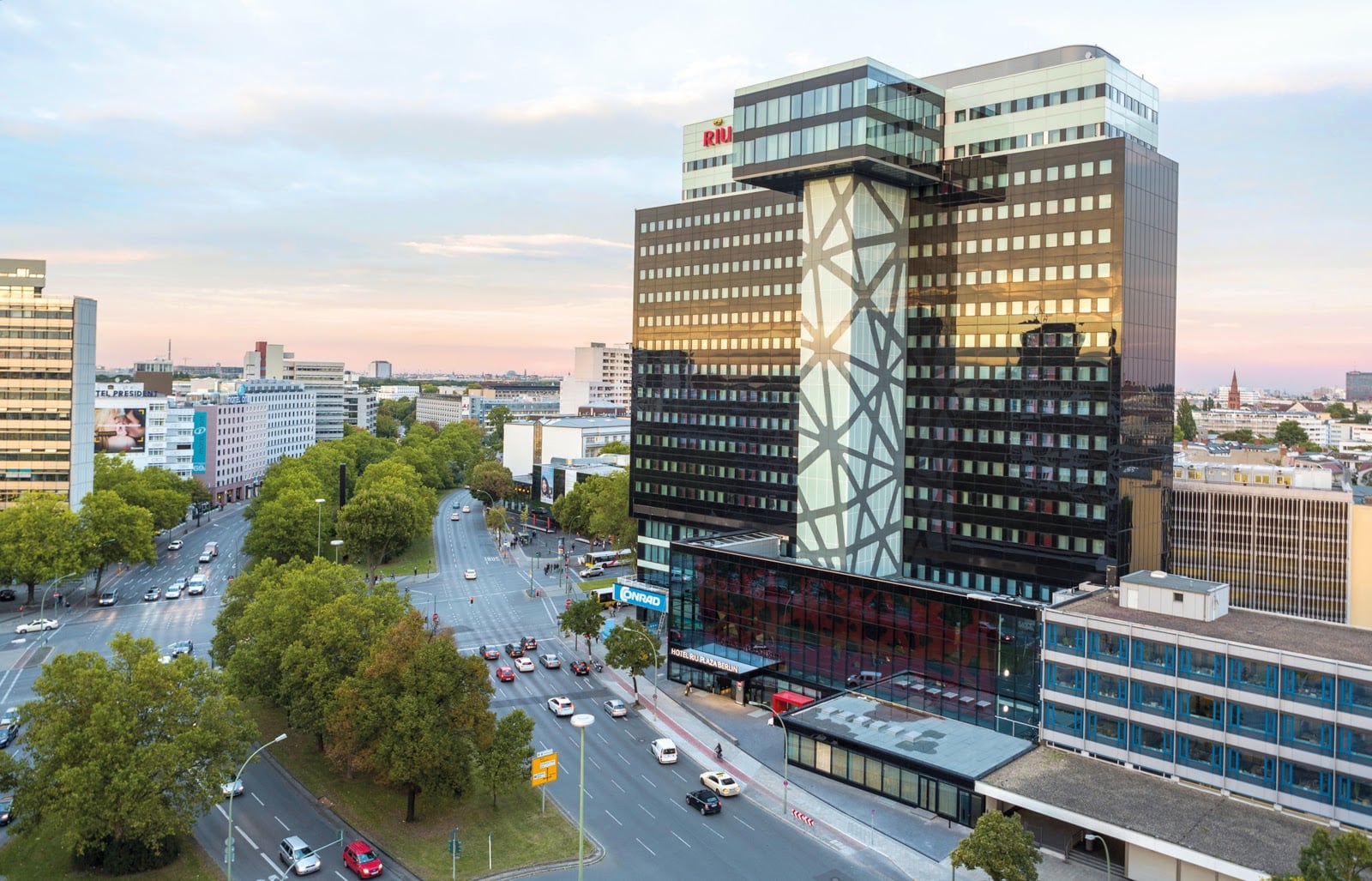
Gay-specific lifestyle hotel in Schöneberg — rooftop pool, SkyBar with CityView, bears' lounge WhyNot Bar, and 210 rooms. Part of the international Axel Hotels chain.
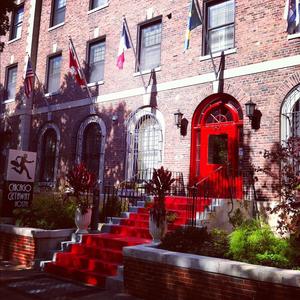
Gay-owned hotel directly on Nollendorfplatz — the historic heart of Schöneberg. Unbeatable location for the gay district. No frills, good value, genuinely queer-run.
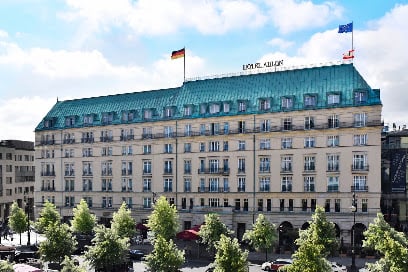
The famous Adlon Kempinski, located right next to the Brandenburg Gate, offers exquisite rooms and suites that are likely to impress even the most seasoned traveller.
The Pullman is nicely located close to Ku’damm avenue, the KaDeWe department store, Berlin Zoo and a short walk from some of the best gay bars & clubs in Schöneberg.
ophisticated gay restaurant & lounge bar, located within the popular Axel Hotel Berlin in Schöneberg gay district. Juniper Kitchen & Bar offers a modern delicious twist on German cuisine.
Gay-friendly Austrian restaurant in Berlin’s gay district, Schöneberg, just around the corner from Mutschmann’s and almost next door to Reizbar, MORE, et cetera.check Sissi’s website for menu.
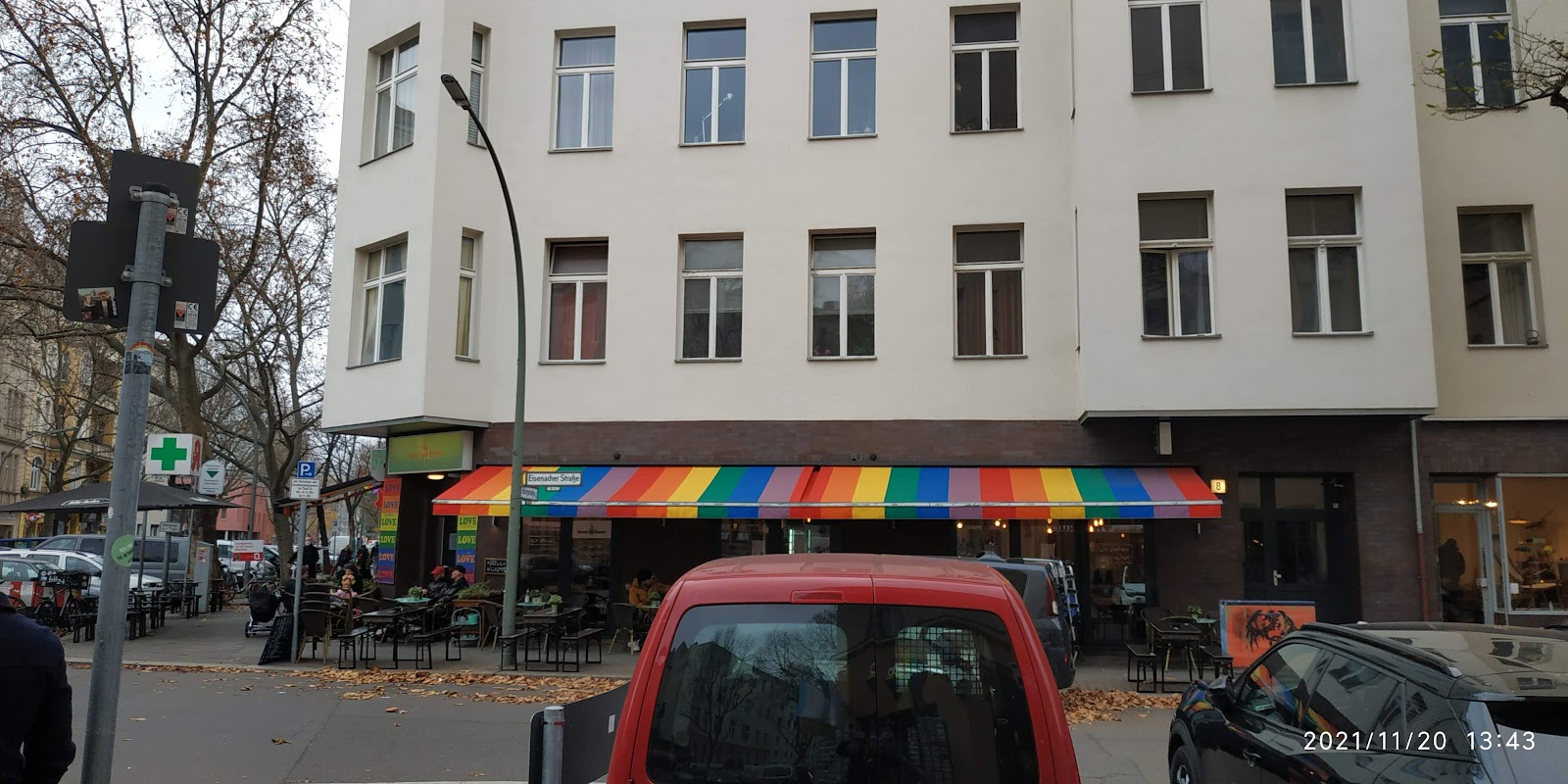
Comfy café and bar Sonntags was an underground club for the LGBT community until the Berlin Wall fell in 1989, and retains the welcoming and supportive atmosphere so vital in those days, describing…
Master of Berlin's fetish organisations Berlin's most prominent fetish organisation was founded April 1998, with a view to "build a community for all gay men who are interested in the leather and…
Commitment to gay well-being Berlin's über-friendly helpline/switchboard for gay and bisexual men started in 1985, during one of the worst periods of the HIV/AIDS crisis.
Support to those living with HIV/AIDS Non-profit organisation started in 1985, providing information on various aspects of HIV and AIDS, plus hepatitis and other sexually transmitted diseases.
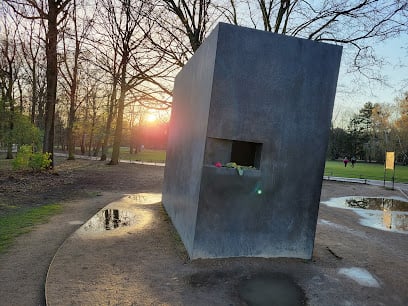
The federal memorial to homosexual victims of National Socialism — a single concrete cube in Tiergarten across from the Memorial to the Murdered Jews of Europe, unveiled in 2008.
Site of Magnus Hirschfeld's Institut für Sexualwissenschaft (1919-33), the world's first sexology institute — burned by Nazi students on 6 May 1933, marked today by a memorial and information stele.
The first pink triangle memorial in Europe — installed on the wall of Nollendorfplatz U-Bahn station in 1989 to commemorate the homosexual victims of Nazi persecution.
The Kreuzberg venue where the Berlin queer punk scene, Neue Deutsche Welle, and the monthly Gayhane oriental-queer club night have unfolded since 1978.
Berlin's LGBTQ+ history is deep and complex, shaped by periods of extraordinary liberation and devastating repression. In the 1920s, Berlin was a global center of gay and lesbian culture, with hundreds of gay bars and cabarets flourishing in the Weimar era. This freedom was brutally suppressed during the Nazi period, when thousands of LGBTQ+ people were persecuted. After World War II, divided Berlin saw different trajectories—East Berlin under the GDR eventually became surprisingly progressive on homosexuality, decriminalizing same-sex relations in 1968, while West Berlin developed a vibrant gay liberation movement from the 1970s onward. The fall of the Berlin Wall in 1989 reunified the city and allowed for an explosion of queer culture that continues today. Modern Berlin is constitutionally protected for LGBTQ+ rights, with marriage equality, adoption rights, and strong anti-discrimination laws.
Schöneberg remains the traditional gay neighborhood, centered around Nollendorfplatz. This area has been home to Berlin's gay scene since the 1970s and continues to host numerous gay bars, cafes, and shops. The neighborhood has a somewhat more established, mainstream feel compared to other queer areas. Key venues here include Café Berio and various bars around the square. Schöneberg is well-connected, easily accessible, and offers a mix of gay-specific nightlife and regular Berlin culture.
Kreuzberg has become increasingly important as a queer neighborhood, with a younger, more alternative scene. This area, known for its artist community and left-wing politics, has dozens of gay bars, clubs, and cultural spaces mixed throughout the broader neighborhood. Kreuzberg attracts visitors seeking a more bohemian, edgy queer experience, with venues ranging from underground lesbian clubs to techno bars. The neighborhood's aesthetic is gritty and creative, reflecting Berlin's broader countercultural identity.
Friedrichshain, on the east side, has emerged as another significant queer hub with a strong nightlife scene. This neighborhood appeals to younger travelers and those interested in techno culture. It's known for its live music venues, clubs, and more experimental queer spaces. The area has a younger demographic than Schöneberg and offers a mix of LGBTQ+-specific and mainstream venues.
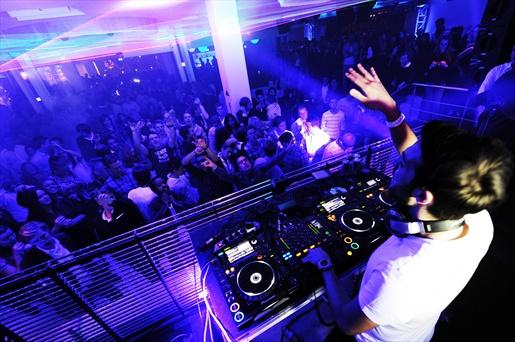
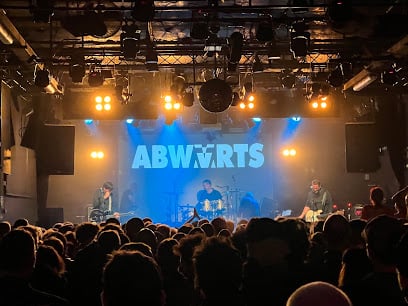
Berlin's club scene is world-famous, and LGBTQ+ travelers should experience it. Berghain, located in Friedrichshain, is an iconic techno venue housed in a converted power plant. While not exclusively gay, it has a significant queer following and hosts LGBTQ+ nights. Admission is selective and based on appearance and vibe; dress code typically favors black and industrial aesthetics. Tresor, another legendary techno club in Mitte, also hosts queer events. Silvester/New Year's Eve parties at major clubs are massive celebrations. For more traditional gay nightlife, venues like Café Berio in Schöneberg and various bars in Kreuzberg offer dancing, drinks, and socializing. Many clubs are open very late—dawn departures are normal. Saunas operate throughout the city, particularly in Schöneberg and Kreuzberg, and serve as both relaxation spaces and social venues.
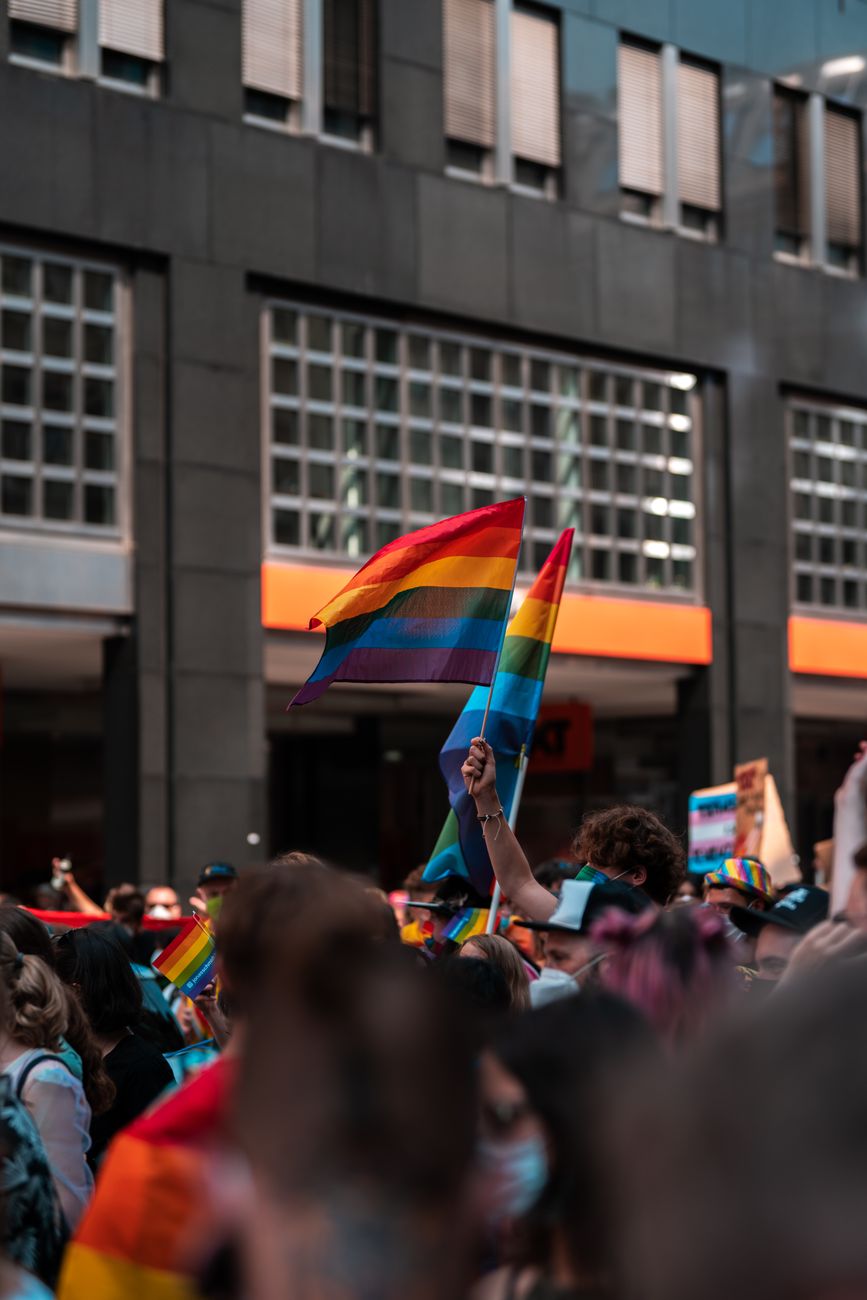
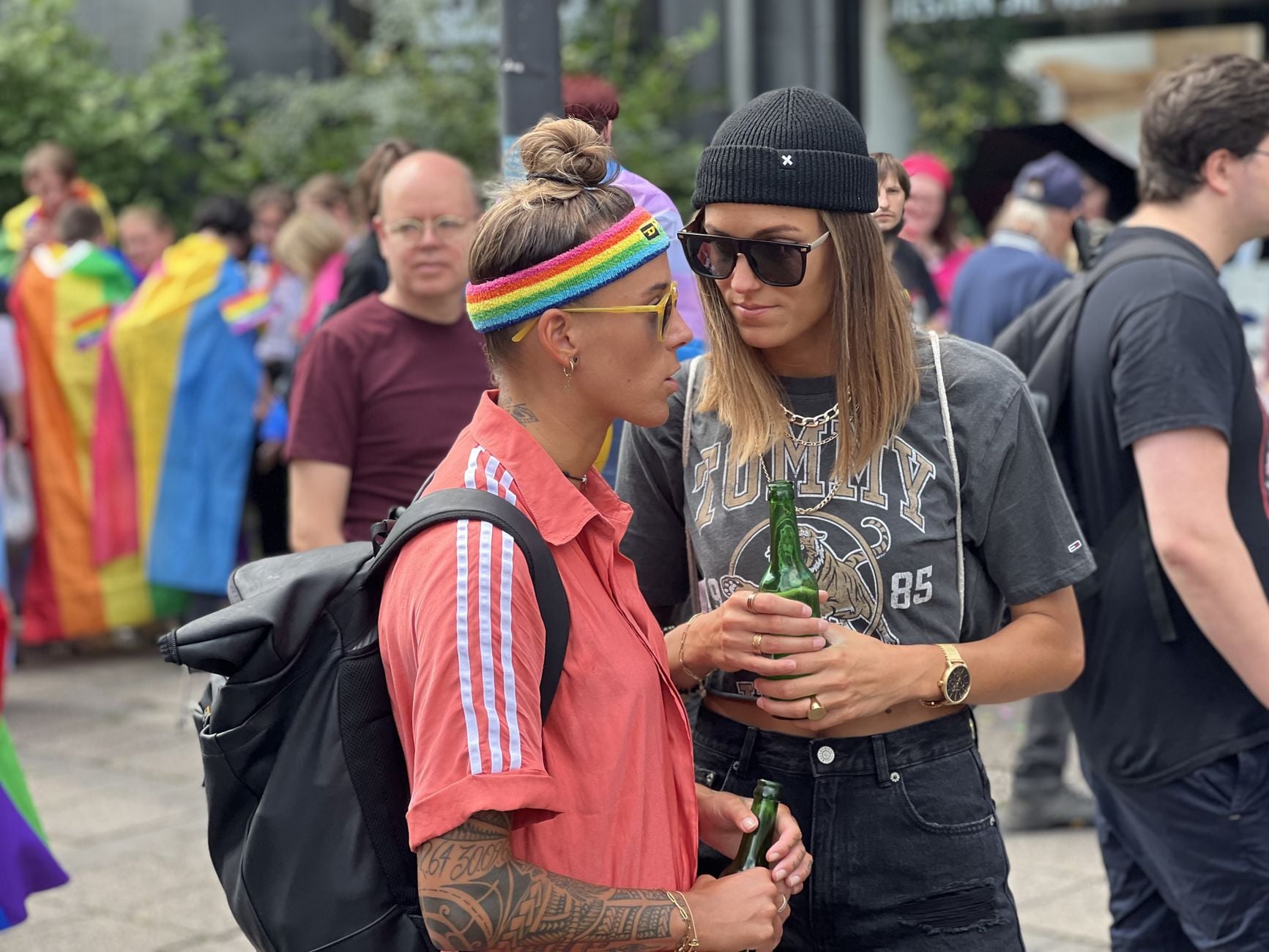
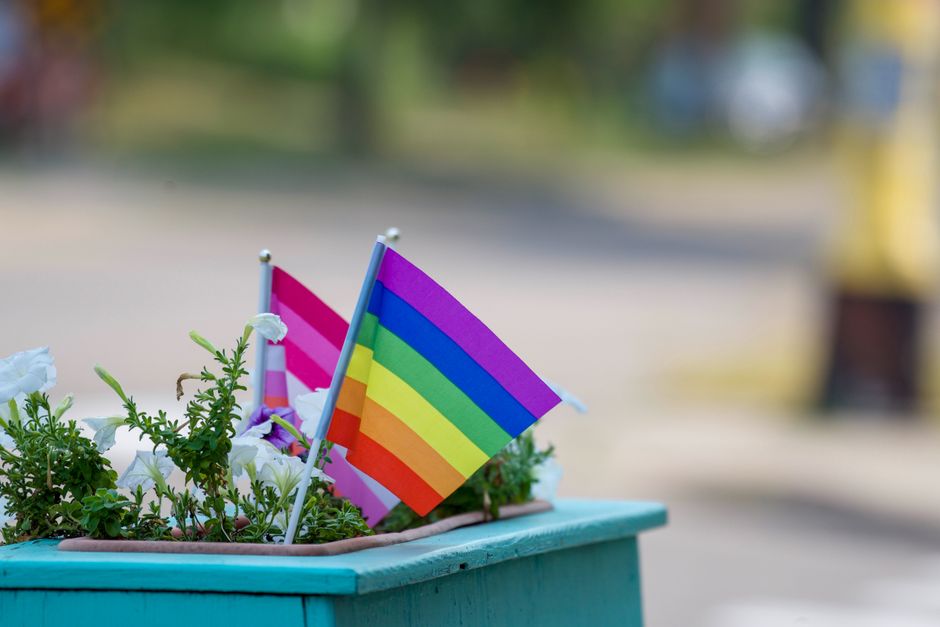
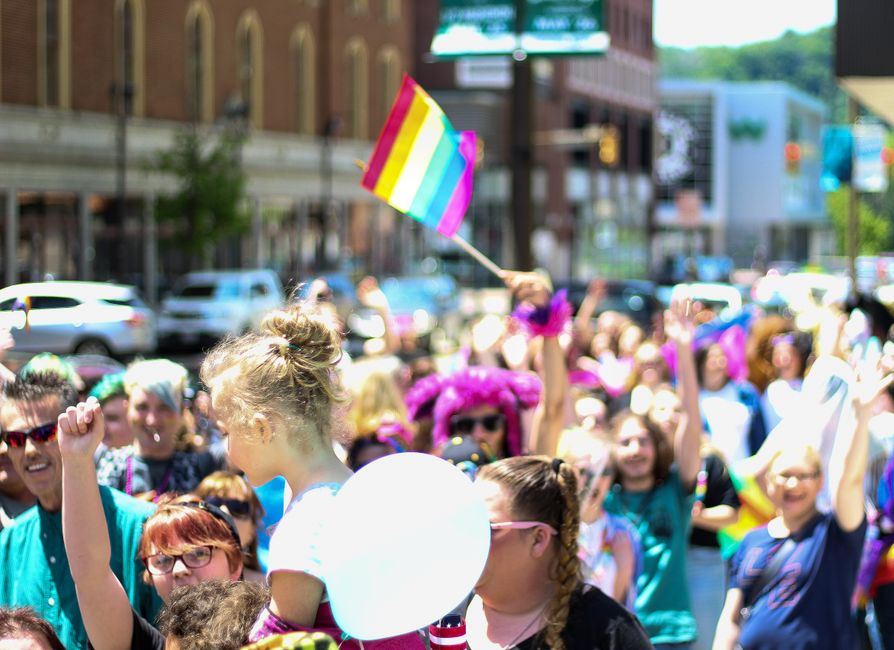
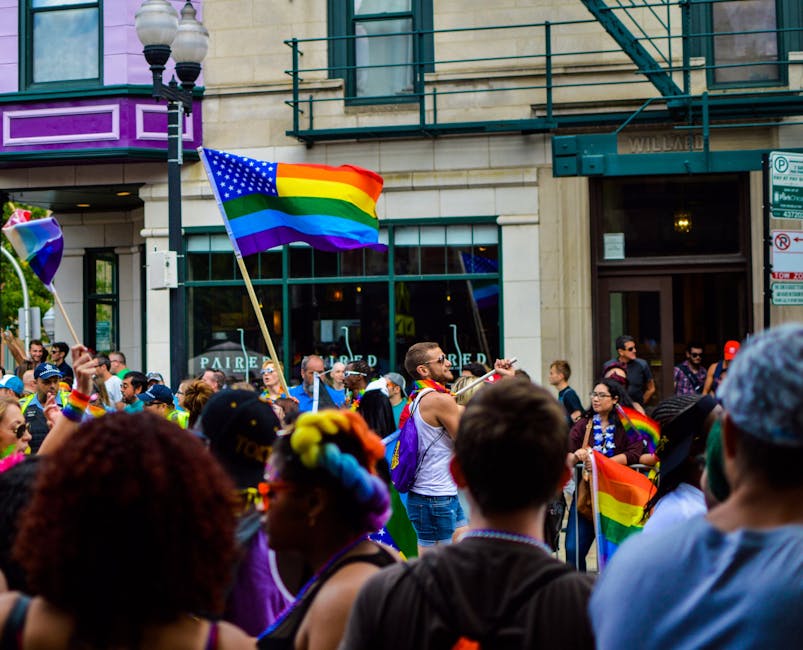
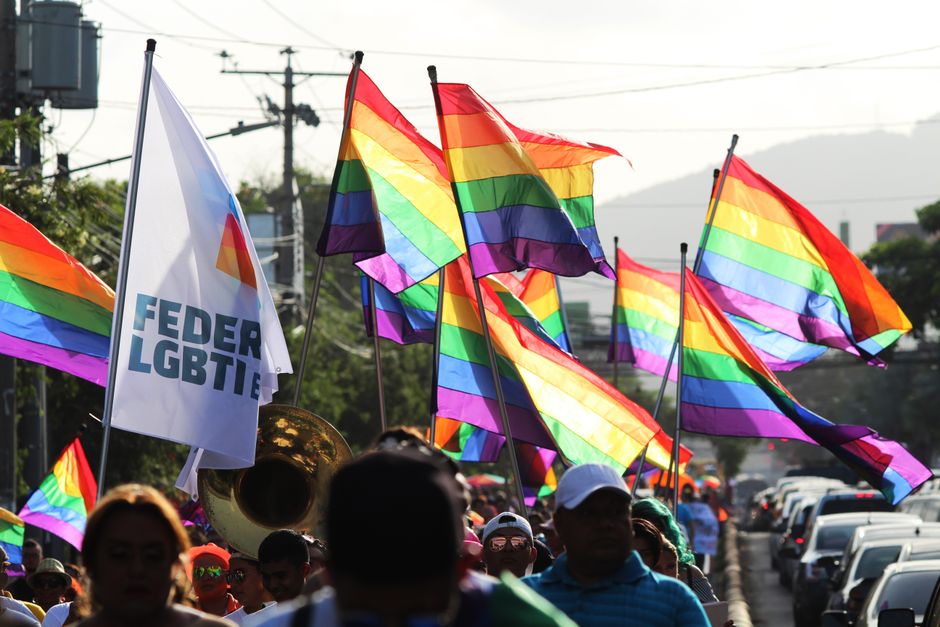
Christopher Street Day (Schwulen- und Lesbenpride) takes place in July, typically mid-month. The celebration includes a massive parade through the city center, drawing upwards of 500,000 participants. The festival features stages, performances, and political demonstrations, celebrating both joy and activism. Various parties and events run throughout the Pride weekend at clubs and venues across the city. Other annual events include Folsom Europe (September), attracting leather and kink communities, and various smaller Pride events and queer film festivals throughout the year.
Where to Stay
Accommodation options range from luxury hotels to LGBTQ+-friendly hostels and guesthouses. Many hotels throughout Berlin are welcoming; specifically, some guesthouses and smaller hotels in Schöneberg and Kreuzberg market themselves to LGBTQ+ travelers. Budget options are plentiful, making Berlin affordable for various travel styles.
Berlin's public transportation system (U-Bahn, S-Bahn, buses, and trams) is extensive and reliable, making it easy to travel between neighborhoods without a car. Most LGBTQ+ venues are accessible by transit. Tickets are purchased by zone; a day pass covering the entire city is reasonable. Walking and cycling are also viable ways to explore.
Safety in Berlin for LGBTQ+ travelers is generally excellent. Germany has strong legal protections, and Berlin is a progressive city with visible LGBTQ+ culture. Homophobic incidents are rare, though visitors should exercise standard urban awareness in any major city. The LGBTQ+ community is integrated throughout Berlin's social, cultural, and political life. Most neighborhoods, especially central areas, are safe and welcoming. Public displays of affection are generally accepted without issue.
Berlin's food scene is diverse and excellent. The city offers everything from casual currywurst stands to fine dining. Many restaurants and cafes throughout gay neighborhoods are LGBTQ+-friendly. Vegan and vegetarian options are abundant. Street food and food markets are popular and affordable.
Day Trips
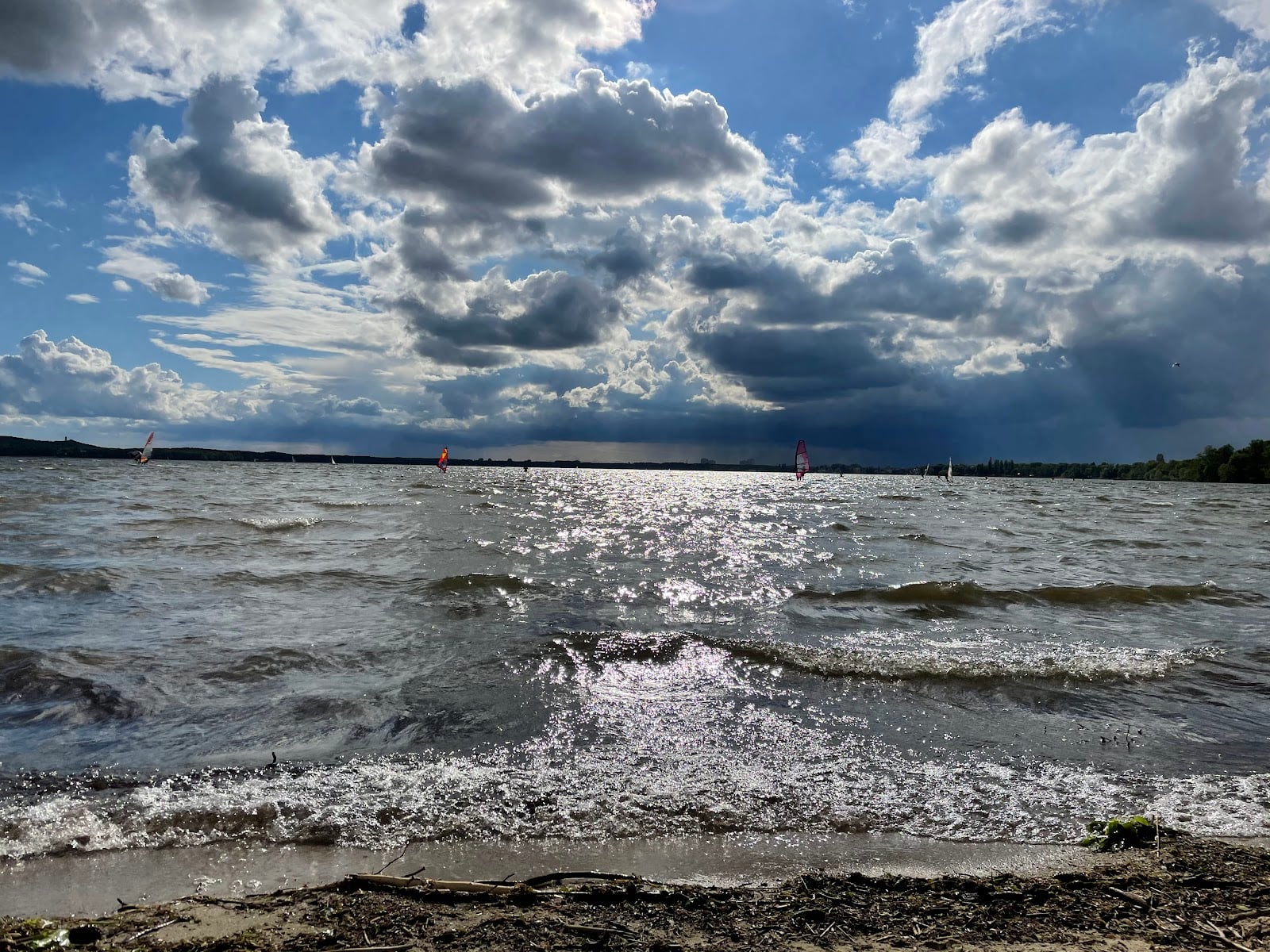
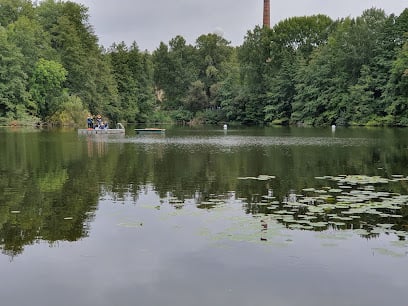
Day trips from Berlin are easily arranged. Potsdam, about 30 minutes by train, offers Prussian palaces and gardens. The lakes surrounding Berlin (Müggelsee, Tegeler See, Müller-Breslau-See) provide swimming and relaxation. The Sachsenhausen concentration camp memorial site offers important historical context about LGBTQ+ persecution during the Nazi period. Smaller towns within an hour's transit are accessible for rural German experiences.
Visitors should plan for variable weather—Berlin can be cold and gray, especially in winter, or warm and pleasant in summer. Pride season (July) offers the best weather and most events but draws larger crowds. Shoulder seasons (May-June, September-October) provide pleasant weather with fewer tourists. Winter offers a quieter experience and holiday markets.
Gay media and tourism information is readily available; various guides and apps provide current venue information. LGBTQ+ bookstores and cultural centers operate throughout the city. The community is visible, organized, and welcoming to visitors from around the world.
Frequently asked questions
Berlin is one of the most LGBTQ+-friendly cities in the world, with a queer history stretching back to the 1920s Weimar era. Germany legalized same-sex marriage in 2017. Berlin hosts CSD (Christopher Street Day) — its Pride — every July with up to a million participants.
Berlin has several gay districts. Schöneberg (around Nollendorfplatz) is the historic gay quarter, home to Prinzknecht, Hafen, Heile Welt, Connection Club and the Schwules Museum — the world's first gay museum. Kreuzberg and Friedrichshain drive the alternative, queer and techno scene, including Berghain and ://about blank. Neukölln has the newest wave of queer bars.
For nightlife: Berghain (techno, Saturday night through Monday morning), Connection Club (Schöneberg, cruisy club), KitKatClub, Prinzknecht (leather/bear) and Möbel Olfe (Kreuzberg, queer institution). For a more relaxed drink try Heile Welt or Roses, the kitschy Kreuzberg classic. Berlin's scene runs seven days a week.
Late July for CSD, and the Folsom Europe leather festival in early September. Summer (June–August) is best for outdoor parties and parks. Folsom and Easter (CSD's sister event Hustlaball Easter) are calendar highlights. Winter is cold but the indoor scene is fully active.
Axel Hotel Berlin (gay-popular, Mitte) is the anchor for LGBTQ+ travellers, backed by plenty of gay-friendly guesthouses and hotels across Schöneberg and Mitte. See the hotel map above for the current list.
Your privacy choices.
We use cookies to run GayOut and, with your consent, measure usage. Learn more
Your privacy choices
We use cookies to keep GayOut running, remember your preferences, and (with your permission) measure how the site is used. You can accept all, reject all, or pick what you allow. Learn more
Essential
Required for sign-in, fraud prevention, CSRF protection and remembering your language. Cannot be disabled.
Always on
Remembers your favourites, dark mode and other interface preferences across visits.
Helps us understand which pages people visit (Google Analytics, server-side stats) so we can improve.
Used by campaign tracking pixels. None are active right now, reserved for future use.
Install GayOut
Add GayOut to your home screen for faster access, offline favourites, and Pride alerts.










 Gay Bars & Clubs
Featured
(731)
Gay Bars & Clubs
Featured
(731)