Same-sex marriages performed abroad are fully recognised. Domestic civil marriage unavailable to anyone (religious courts control marriage law). Full joint adoption legal since December 2023 Supreme Court ruling. Employment/service discrimination protections since 1992. Conversion therapy banned February 2022. Blood donation ban lifted October 2021. Trans legal gender change possible without surgery since 2015 (medical diagnosis still required). Tel Aviv is recognised as one of the world's…
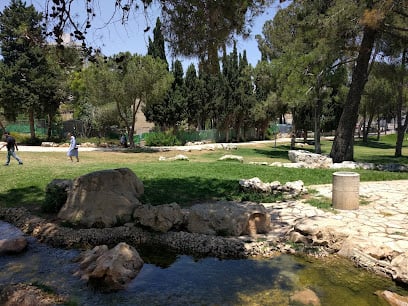
Central West Jerusalem park that is the city's long-standing, discreet after-dark gay cruising ground — much quieter now than in past decades. Exercise discretion.
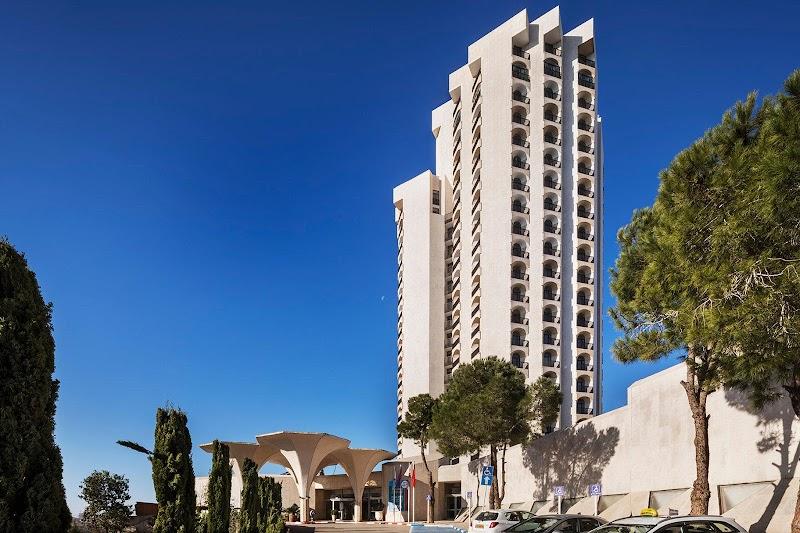
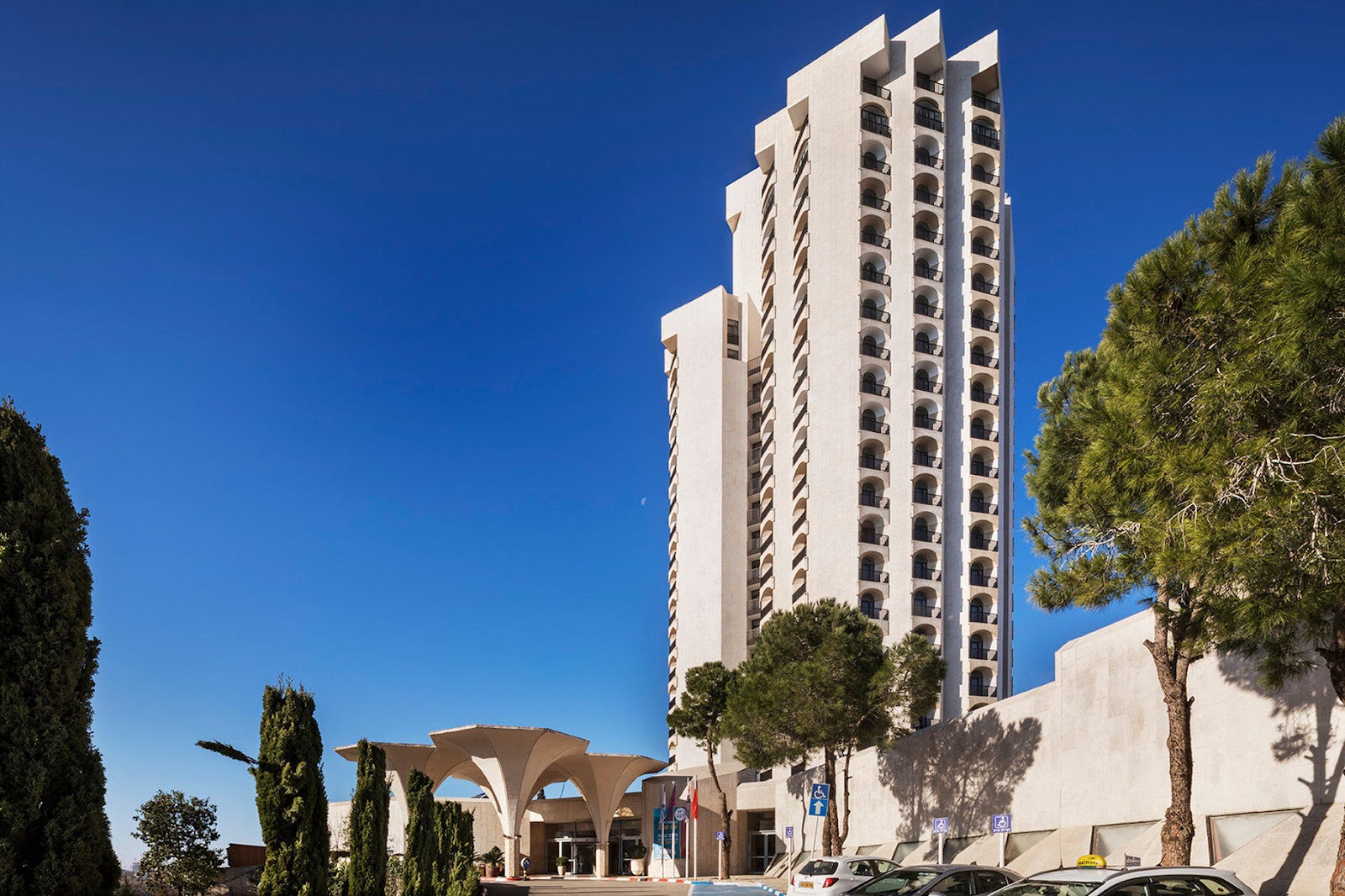
Set in Jerusalem's Givat Ram district, home to the Israeli parliament and Supreme Court, Crowne Plaza is the tallest building in the city. It offers air-conditioned rooms with free Wi-Fi.
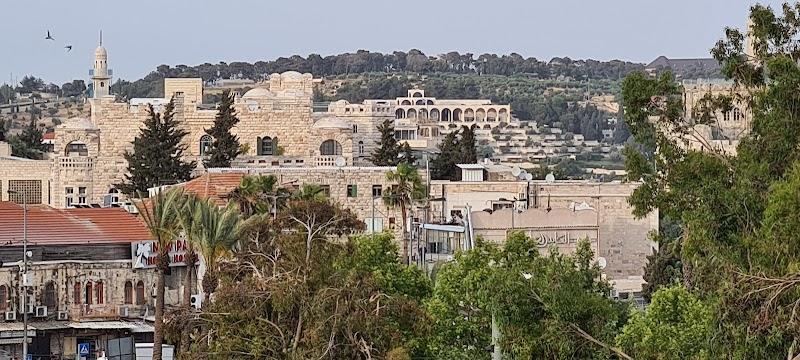
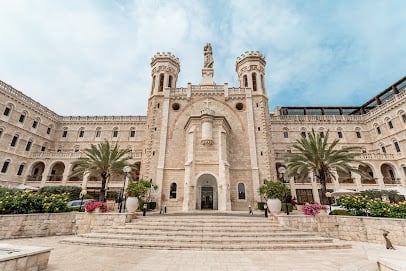
The Ein Kerem Hotel is an elegant boutique hotel, outpatients, the families of patients, hospital staff and professionals, as well as business people..
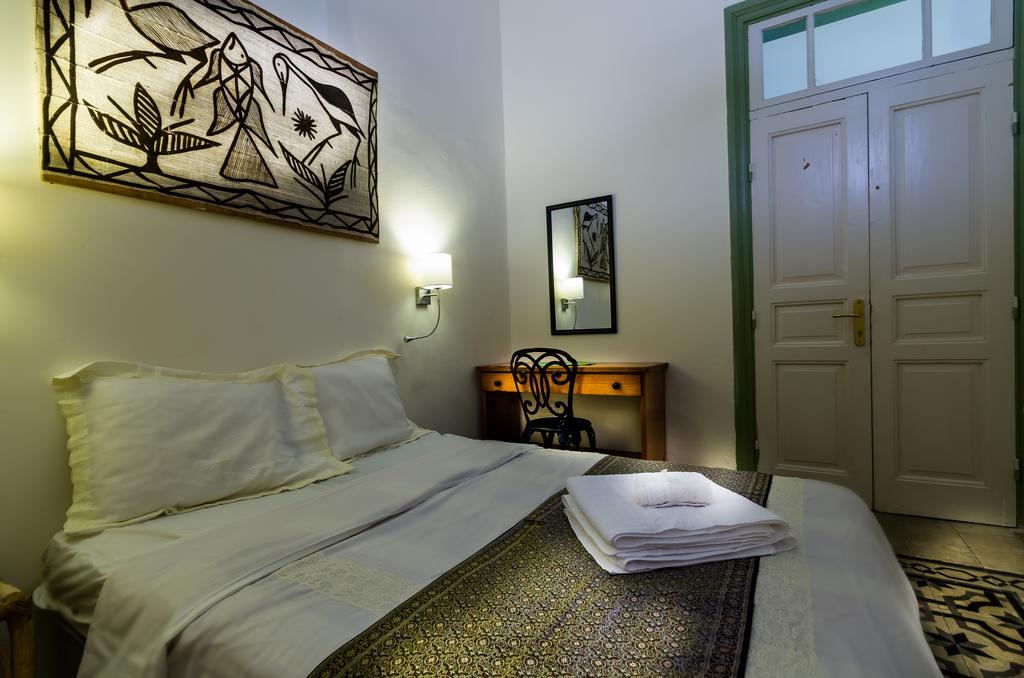
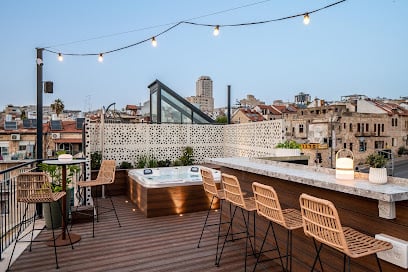
Jerusalem Garden Home is a Jerusalem-family owned Bed and Breakfast. The family home opened it’s doors as a Bed and Breakfast in 2008, and quickly earned a great reputation for it’s warm welcome, the…
The Jerusalem Open House for Pride and Tolerance (JOH) is a leading organization of lesbian, gay, bisexual, transgender, and queer (LGBTQ) people and their allies in the heart of Jerusalem.
Jerusalem's LGBTQ+ history is tied to Israel's broader trajectory. Israel decriminalized same-sex relations in 1988 and has enacted anti-discrimination laws and recognized same-sex couples, though civil marriage requires rabbinical approval. Jerusalem, however, remains more conservative than Tel Aviv or Haifa.
The organized LGBTQ+ movement in Jerusalem gained visibility in the 1990s and 2000s. Jerusalem Open House, founded in 1997, serves as the central LGBTQ+ community center and advocacy organization. The first Jerusalem Pride parade in 2002 faced opposition; today it draws thousands of supporters and international visitors, though some ultra-Orthodox neighborhoods remain unreceptive.
The community is smaller than Tel Aviv's but politically active. LGBTQ+ Jerusalemites often engage in intersectional activism, advocating for both LGBTQ+ rights and Palestinian rights and peace.
NEIGHBORHOODS
West Jerusalem is the center of LGBTQ+ life. The city center, around Jaffa Street and Ben Yehuda Street, offers shops, cafes, and cultural venues that are generally welcoming. Rehavia, a residential neighborhood south of downtown, is home to many LGBTQ+ residents and has a relaxed atmosphere with cafes and restaurants.
Talbieh, adjacent to Rehavia, is similarly progressive and residential. These neighborhoods have tree-lined streets and a cosmopolitan feel.
East Jerusalem and the Old City contain significant religious sites but are predominantly Palestinian and conservative. Visitors can explore these areas as tourists, but discretion regarding sexual orientation or gender identity is advised.
Ultra-Orthodox neighborhoods like Mea Shearim should be approached with respect. Modest dress is recommended, and visits on Friday evenings or Saturdays (Shabbat) should be avoided.
VENUES AND NIGHTLIFE
Jerusalem's gay nightlife is less extensive than Tel Aviv's. Several venues cater to LGBTQ+ clientele:
Jerusalem Open House (2 HaSoreg Street) is the primary community center, hosting events, exhibitions, film screenings, and social gatherings. It is a key point for meeting locals and learning about current issues.
Video Pub, on Yohanan Horkanos Street in the Russian Compound, was for over a decade Jerusalem's only dedicated gay bar; it closed permanently in June 2026. The city now has no exclusively gay bar. A handful of city-center venues around Zion Square and Jaffa Street are LGBTQ+-friendly and occasionally host drag or queer nights, but the bar scene is integrated rather than exclusively gay — for dedicated gay clubbing, Tel Aviv is an hour away.
Cafes throughout Rehavia and the city center are common meeting spots. Abu Shukri and other hummus shops offer casual gathering places.
The Cinematheque (11 Hebron Road) screens international and Israeli films, often including LGBTQ+-themed programming.
PRIDE AND EVENTS
Jerusalem Pride typically occurs in early June. The parade attracts thousands of participants and supporters, making it a significant event. Officially the March for Pride and Tolerance, it is organized by Jerusalem Open House and in recent years has run through Gan Sacher and the Wohl Rose Garden toward the Knesset. It remains politically charged, with counter-protests sometimes occurring, but security is substantial (thousands of police).
Where to Stay
Accommodations can fill quickly during Pride week; booking in advance is recommended. The event includes marches, rallies, concerts, and parties.
Beyond Pride, the Jerusalem International Film Festival (typically July-August) features LGBTQ+-themed films. Jerusalem's cultural calendar includes theater, dance, and art exhibitions throughout the year, many featuring LGBTQ+ artists and themes.
Rehavia and Talbieh offer a more LGBTQ+-friendly atmosphere. Hotels like the Dan Boutique Hotel and various boutique guesthouses are located in these progressive areas.
The city center, around Mamilla and Jaffa Street, is more tourist-oriented but convenient. Many international hotel chains are located here.
Airbnb is an option for targeted neighborhood selection. Staying in Rehavia or central West Jerusalem provides proximity to amenities while maintaining distance from more conservative areas.
During Pride week, accommodations should be booked months in advance.
Jerusalem is generally safe for LGBTQ+ travelers, with rare incidents of violent crime targeting LGBTQ+ individuals.
Public displays of affection may attract attention in conservative areas or among ultra-Orthodox communities. In central West Jerusalem, Rehavia, and tourist areas, LGBTQ+ visitors can be more open. Discretion is advised in East Jerusalem, the Old City, and ultra-Orthodox neighborhoods.
Political tensions can arise; travelers should be aware of current events and avoid demonstrations.
Travel during Pride week may attract counter-protesters, but the event is heavily secured.
TRANSIT AND NAVIGATION
Jerusalem's bus system is comprehensive and affordable. Most LGBTQ+ venues and neighborhoods are accessible by bus or taxi.
The light rail connects several areas but does not cover all tourist destinations.
Taxis are inexpensive and generally reliable. Ride-sharing apps like Gett and Uber operate in Jerusalem.
Walking is feasible in West Jerusalem and the city center, though hills can be steep. Comfortable shoes are recommended.
FOOD
Jerusalem offers a diverse food scene. Hummus, falafel, and Israeli salad are common. Restaurants range from casual to fine dining.
Rehavia has restaurants frequented by LGBTQ+ residents. The Mahane Yehuda Market ("The Shuk") is a lively market with food stalls and cafes.
Many restaurants are kosher and close for Shabbat (Friday evening to Saturday evening). Dining plans should account for this.
DAY TRIPS
From Jerusalem, day trips include:
Bethlehem (30 minutes by bus): Church of the Nativity and Palestinian culture. Note that Bethlehem is in the Palestinian Authority; travelers should check current travel advisories.
Masada (90 minutes): Ancient fortress and UNESCO site. Accessible by guided tours or public transport.
Dead Sea (90 minutes): Lowest point on Earth; popular for swimming and spa treatments.
Jericho (90 minutes): Ancient city and Palestinian cultural site.
PRACTICAL INFORMATION
Language: Hebrew is primary; English is widely spoken in tourist areas and among younger Jerusalemites.
Currency: Israeli Shekel (ILS). ATMs are widespread.
Visa: Citizens of many countries receive visa-free entry for 90 days. Check current requirements.
When to Visit
Best time to visit: October-November and March-April offer pleasant weather. June (Pride) is warm but crowded. December-February is cool and rainy.
Health: Healthcare is good. Travel insurance is recommended.
COMMUNITY RESOURCES
Jerusalem Open House remains a primary resource for LGBTQ+ visitors and locals. Staff can provide current venue recommendations, community event information, and support.
The LGBTQ+ community is small but welcoming to visitors. Many venues and organizations update information on social media.
Frequently asked questions
Israel has progressive LGBTQ+ rights, but Jerusalem is a religiously conservative city. While same-sex relationships are legal, it's advised to be mindful of your surroundings, especially in the Old City and East Jerusalem where public displays of affection are not recommended.
The Jerusalem March for Pride and Tolerance is held annually in early June (it fell on 5 June in 2025, with 4 June expected in 2026), organized by the Jerusalem Open House. It is a rights-focused, heavily secured march that draws thousands through Gan Sacher toward the Knesset — distinct in tone from Tel Aviv's festive parade.
West Jerusalem is the area for LGBTQ+ visitors. The city center around Jaffa Street, Zion Square and Mamilla has most of the hotels and the most welcoming cafes, while leafy Rehavia and Talbieh are relaxed, progressive residential neighborhoods. There is no single 'gay neighborhood' — the scene is integrated across central West Jerusalem.
Not anymore. Jerusalem's only dedicated gay bar, Video Pub, closed permanently in June 2026 after 14 years. The city currently has no exclusively gay bar; instead, LGBTQ+-friendly venues in the city center host occasional drag and queer nights. The Jerusalem Open House (2 HaSoreg Street) is the community's main gathering hub.
Jerusalem has lagged behind secular cities like Tel Aviv in developing a visible LGBTQ+ culture due to its religious and demographically conservative nature. However, it does host an annual Pride celebration.
While Israel has legal protections, Jerusalem is a deeply religious and politically complex city. It is not recommended for LGBTQ+ travelers to display affection in the Old City and East Jerusalem.
Your privacy choices.
We use cookies to run GayOut and, with your consent, measure usage. Learn more
Your privacy choices
We use cookies to keep GayOut running, remember your preferences, and (with your permission) measure how the site is used. You can accept all, reject all, or pick what you allow. Learn more
Essential
Required for sign-in, fraud prevention, CSRF protection and remembering your language. Cannot be disabled.
Always on
Remembers your favourites, dark mode and other interface preferences across visits.
Helps us understand which pages people visit (Google Analytics, server-side stats) so we can improve.
Used by campaign tracking pixels. None are active right now, reserved for future use.
Install GayOut
Add GayOut to your home screen for faster access, offline favourites, and Pride alerts.



 Cruising Areas
(2087)
Cruising Areas
(2087)