
















In this guide · 18 sections
- Where the scene is
- Bars and clubs
- Drag and cabaret
- Saunas and cruising
- Pride and the yearly calendar
- Community
- Queer history to walk
- Where to stay
- Closed or changed: gone but still Googled
- Practical tips
- A few words of Bostonian
- At a glance
- Frequently asked questions
- What is the gay neighbourhood in Boston?
- Does Boston have a gay sauna or bathhouse?
- Is there a lesbian bar in Boston?
- When is Boston Pride 2027?
- What time do Boston bars close?
The honest summary: Boston's gay scene is small, old and spread out. There's no gay strip and no bathhouse, but there are about ten real venues across the South End, Bay Village, Back Bay, Downtown Crossing, Jamaica Plain and Dorchester, plus Fenway Health, a Pride that came back from collapse, and more queer history per block than almost any US city. Plan your nights, because Boston closes at 2am.
Legal in one line: Same-sex relationships are fully legal in Massachusetts, which in 2004 became the first US state to marry same-sex couples after the Goodridge ruling; state law bans discrimination on sexual orientation and gender identity, but public sex is a crime (see our cruising guide).
Where the scene is
The South End is the gay neighbourhood: Victorian brownstones between Columbus Avenue, Tremont Street and Washington Street, rebuilt by gay residents from the 1970s and now very expensive. Club Café, Cathedral Station and Trophy Room are here, along with gay-friendly restaurants on Tremont.
Bay Village and the Theatre District sit just north-east. Tiny Bay Village holds Jacque's Cabaret, and a block away the Legacy & Crown club complex runs the big weekend parties.
Back Bay has Dani's Queer Bar on Boylston Street. Downtown Crossing has The Alley, the bear bar on Pi Alley.
Jamaica Plain (JP) has long been the home of Boston's lesbian and queer community, with Queeraoke at the Midway Café. Dorchester has dbar and Blend on Dorchester Avenue, both a short Red Line ride from downtown.
The Fenway was the second nightlife district until Machine and Ramrod closed in 2020. Today it's home to Fenway Health, the LGBTQ+ health centre founded there in 1971.
Cambridge and Somerville, across the river, are separate cities with their own queer spots: ManRay in Central Square has a gay night on Thursdays, and All She Wrote Books in Somerville is the area's queer and feminist bookstore.
Bars and clubs
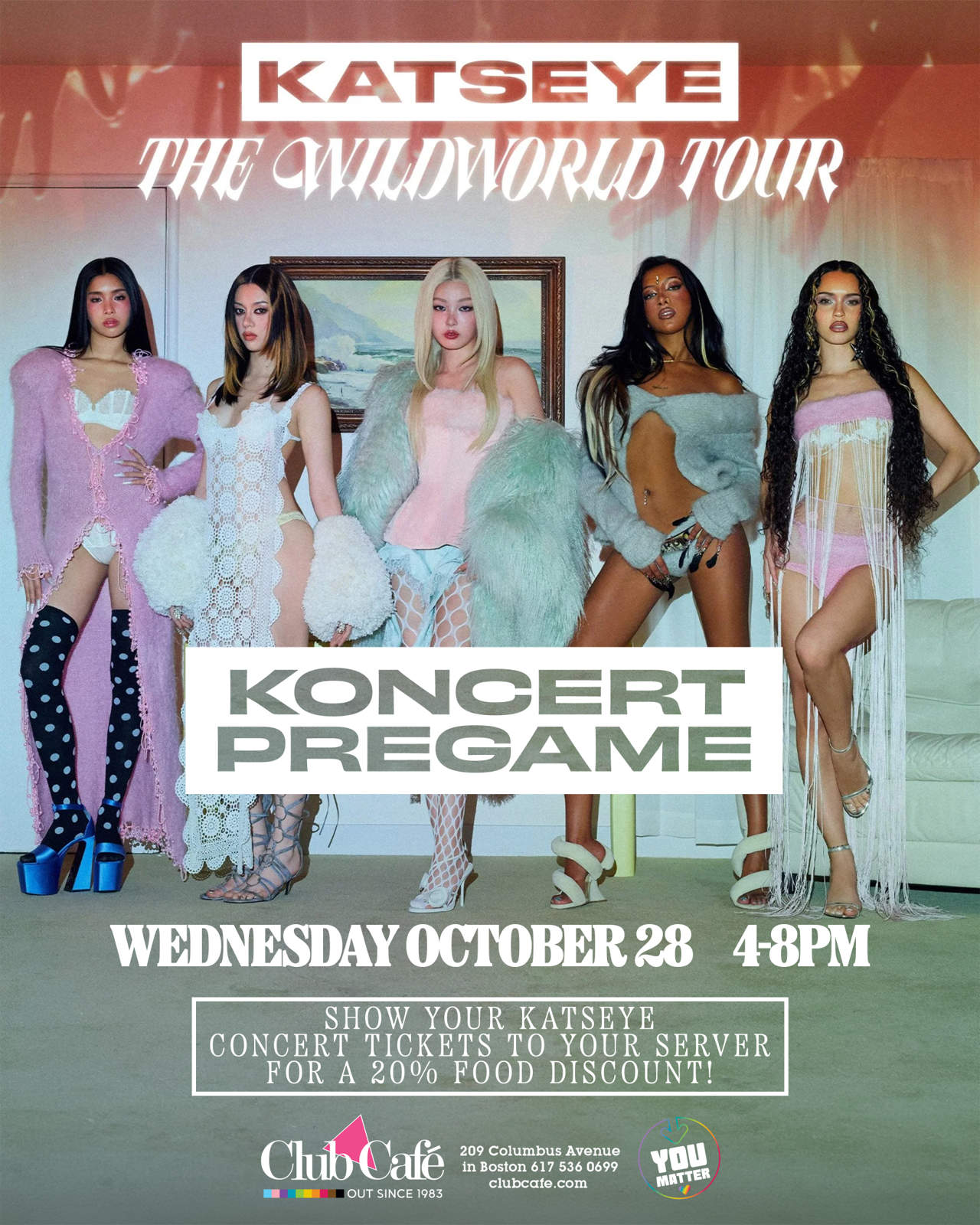
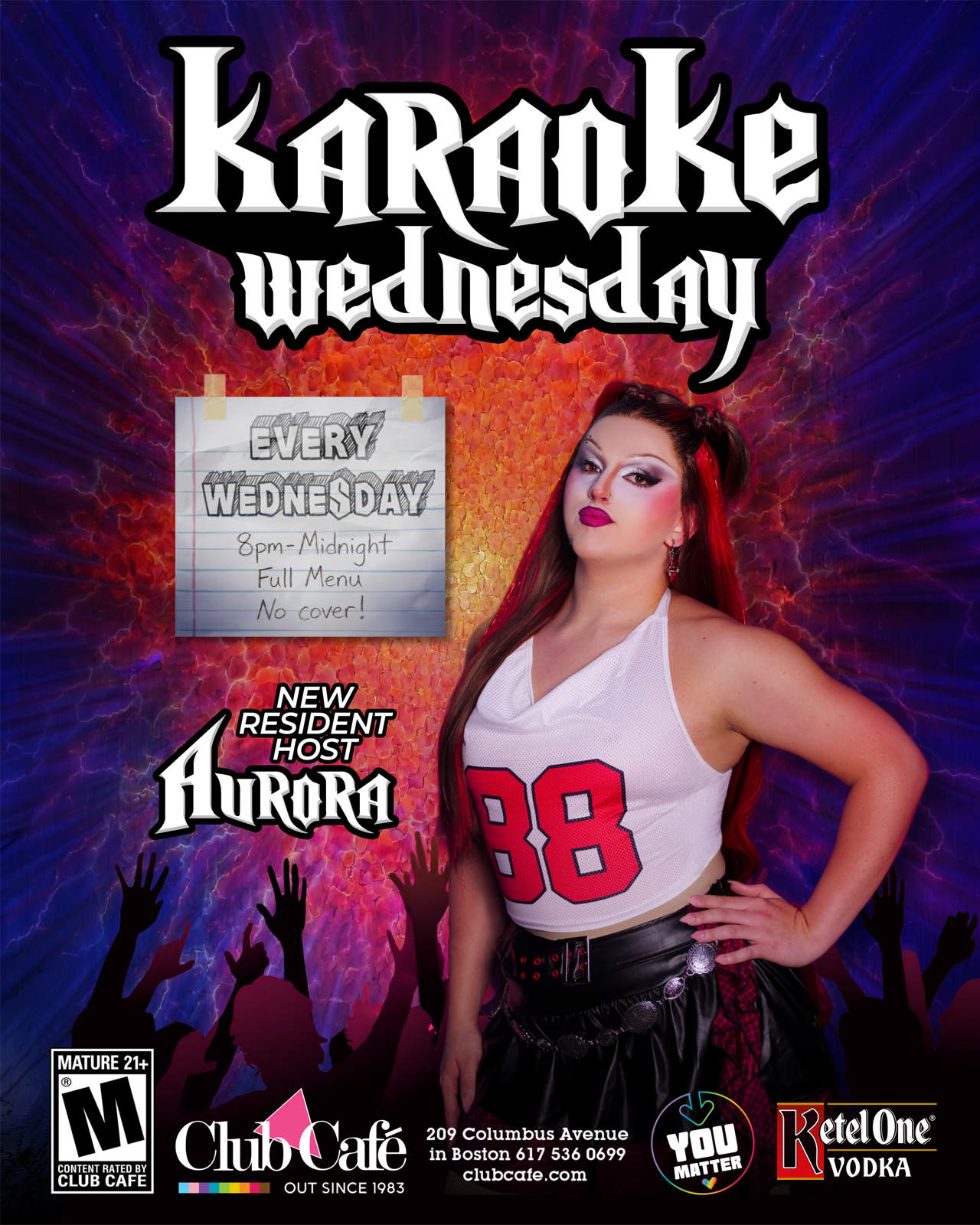
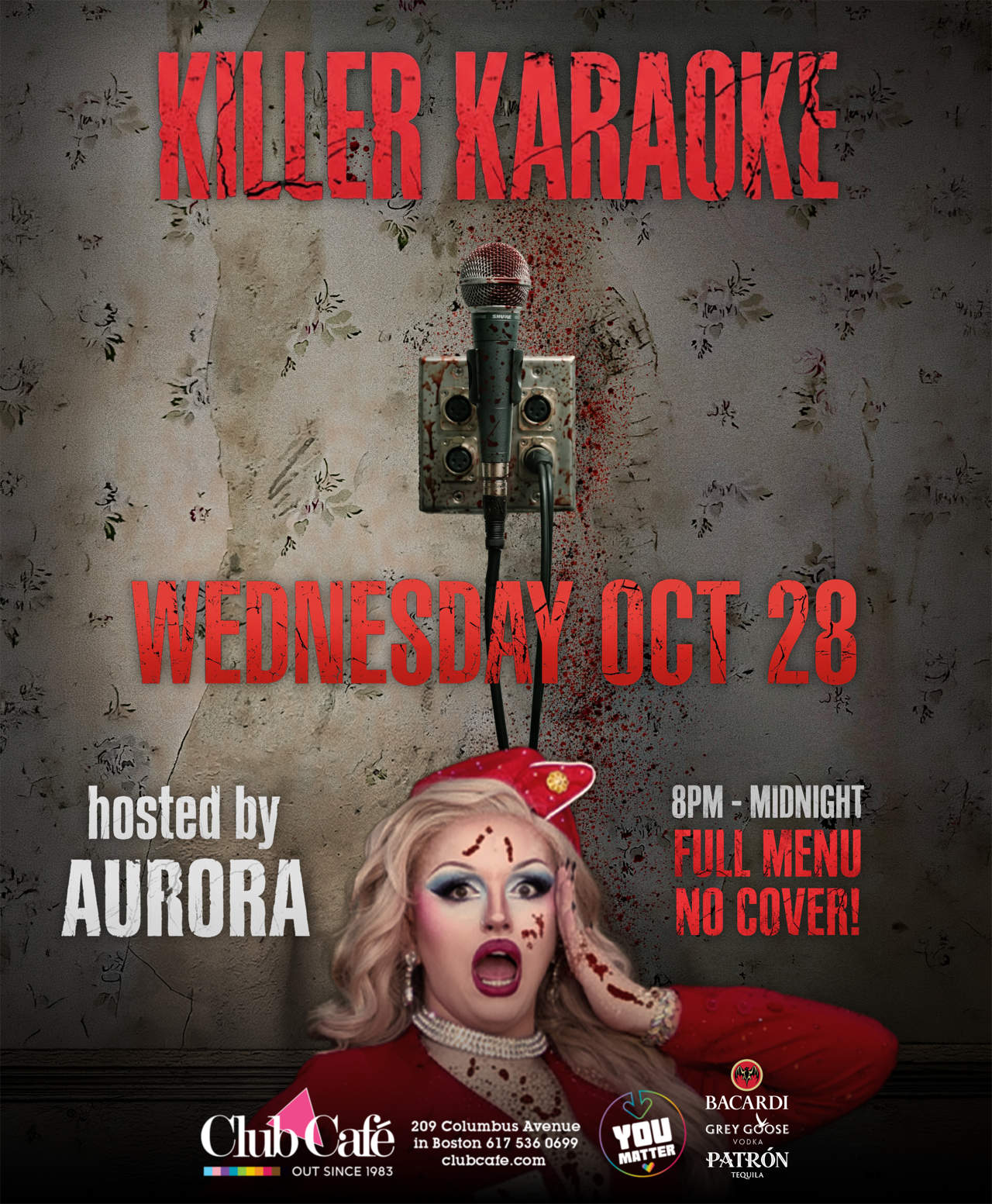
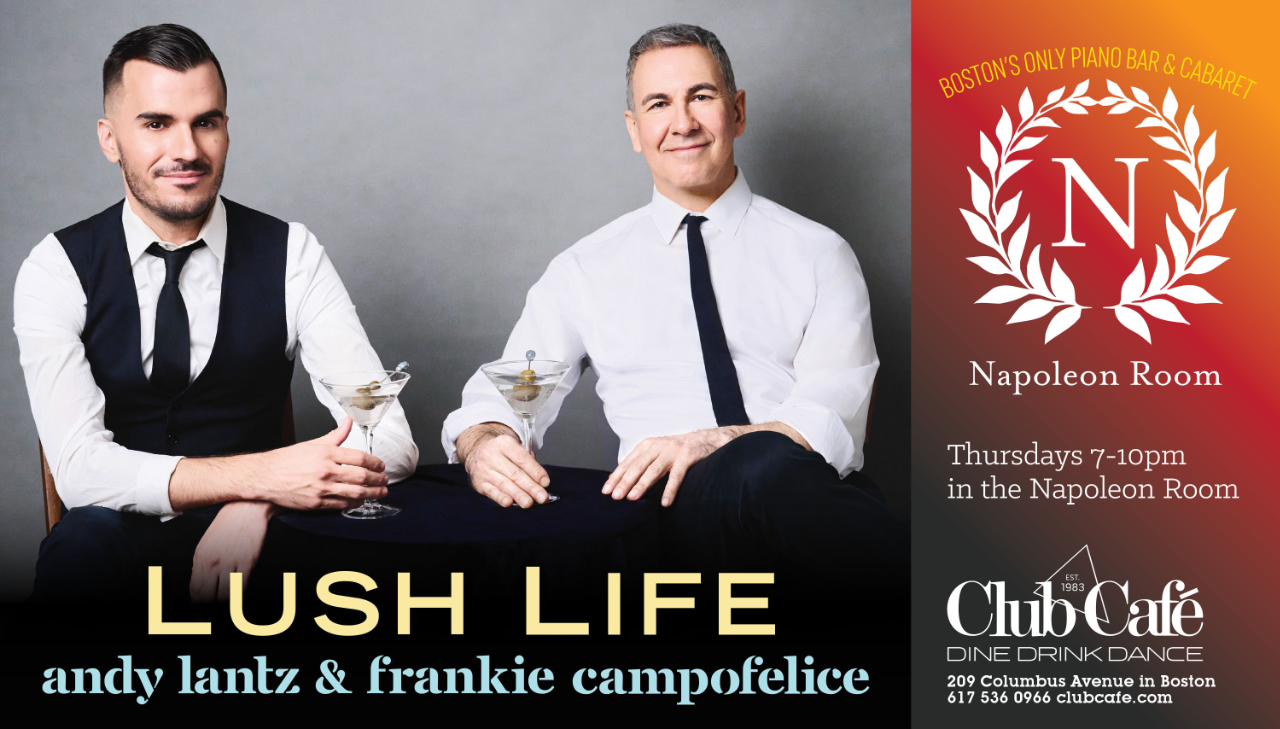
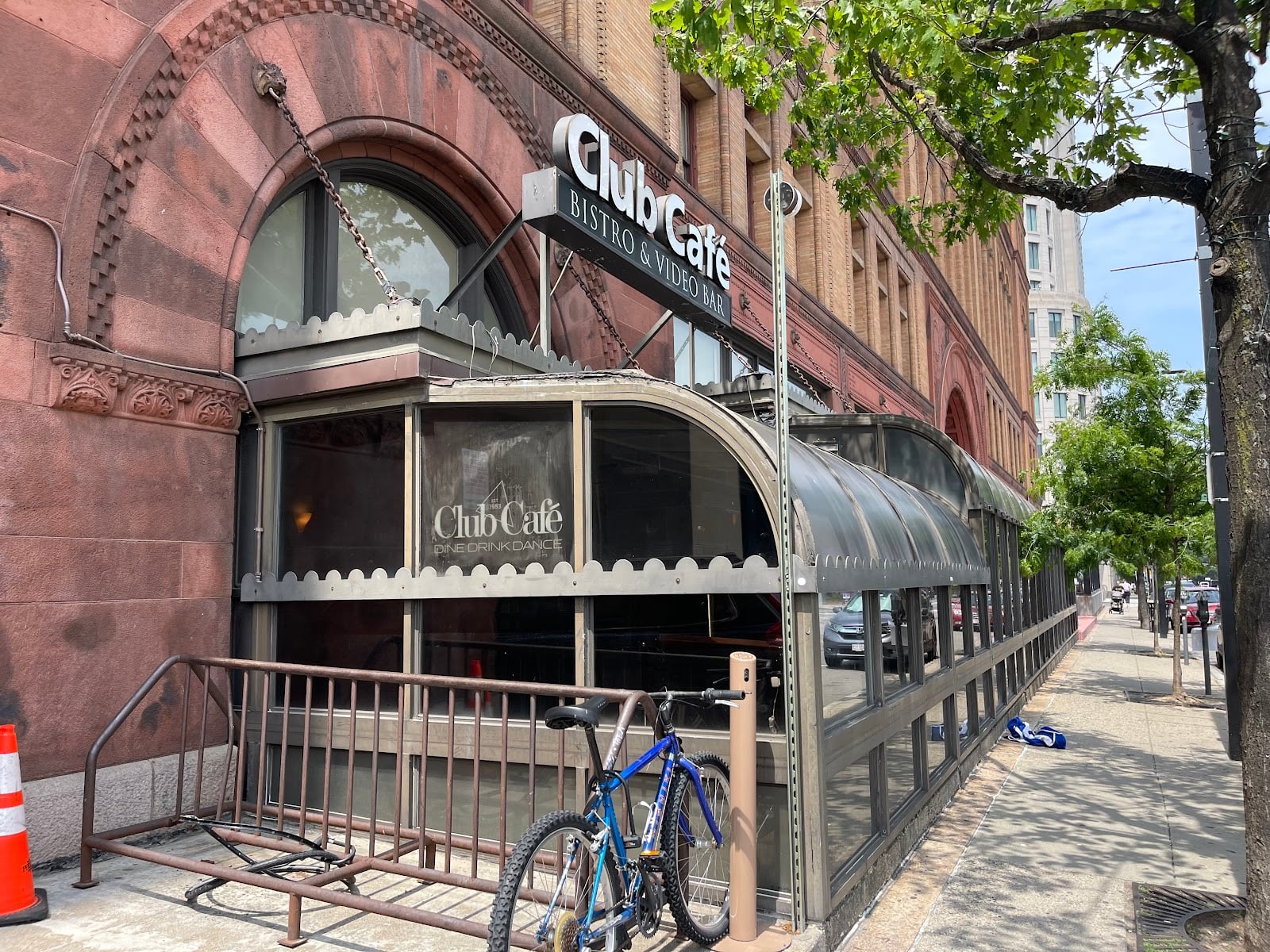
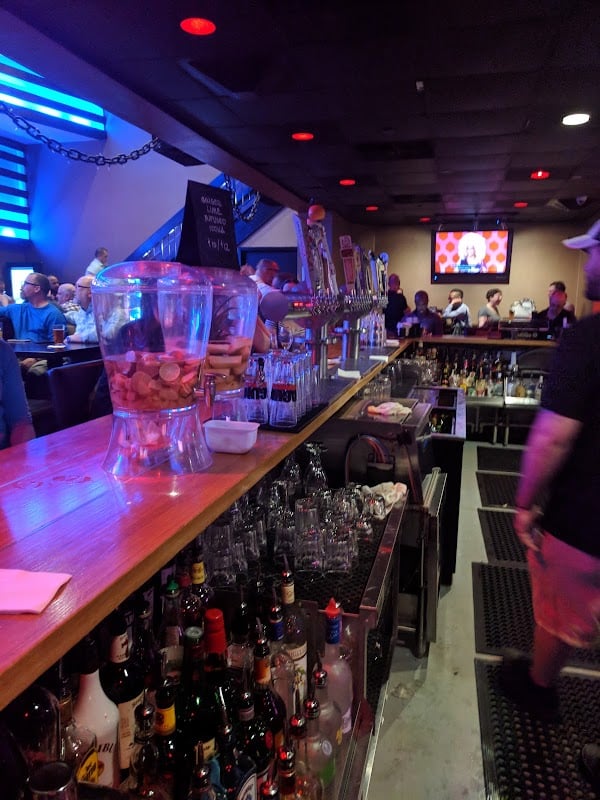
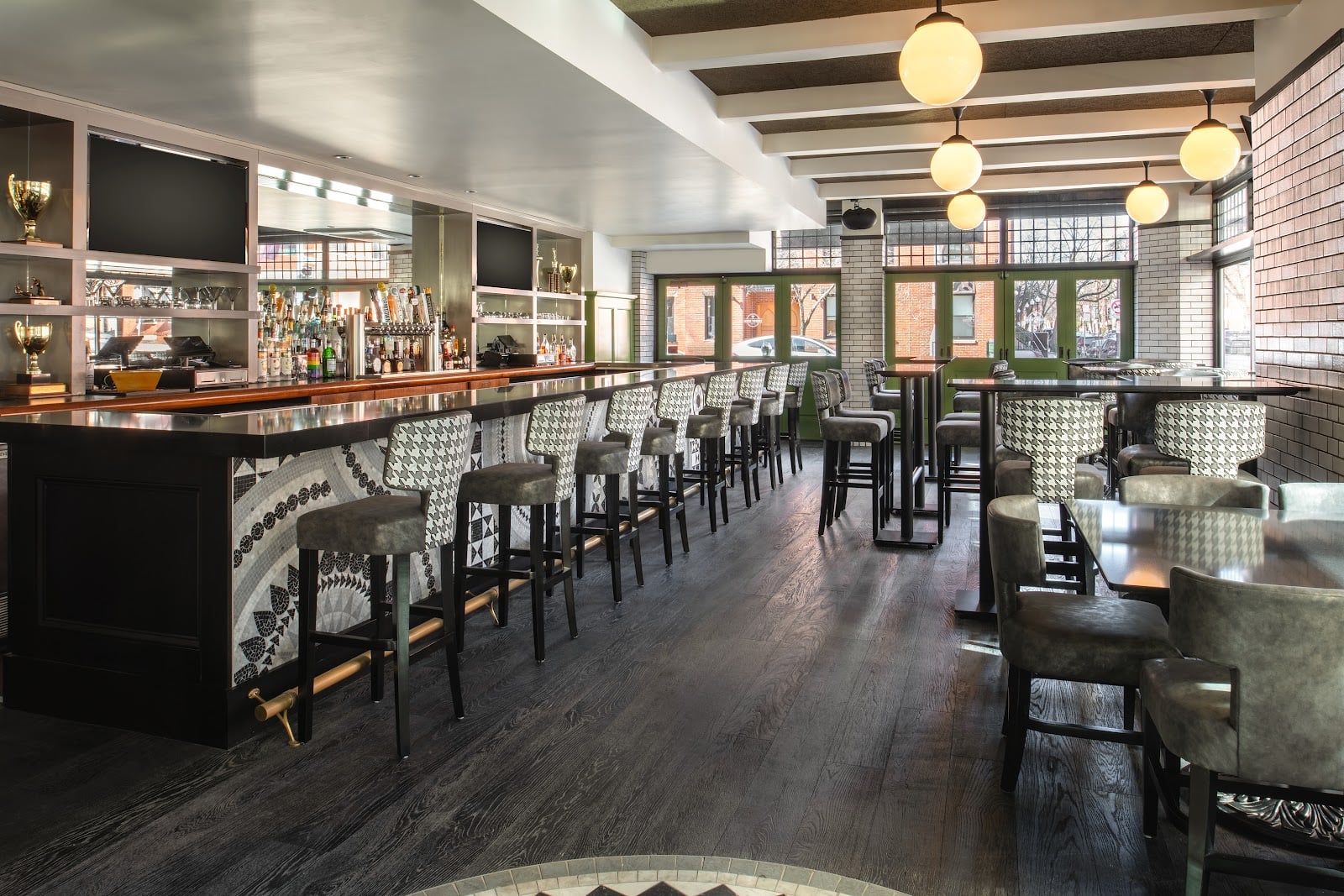
Club Café, 209 Columbus Ave. Open since 1983, it's a restaurant, video bar and cabaret room in one, and the place to start. Its calendar runs Tuesday trivia, Wednesday karaoke, Drag Race Fridays and a Sunday drag brunch. Open until 2am Thursday to Sunday.
Dani's Queer Bar, 909 Boylston St. Opened in September 2024 as Boston's first dedicated lesbian and sapphic bar in decades. Sapphic Saturdays, drag brunch, karaoke and Latin nights. The whole queer community is welcome.
Cathedral Station, 1222 Washington St. The South End's gay sports bar, with a patio, pool, big screens and weekend brunch. Relaxed and mixed.
The Alley, 14 Pi Alley. A two-floor bear bar off Washington Street, open daily 2pm to 2am, with pool tables, karaoke and bear nights. Cheap by Boston standards.
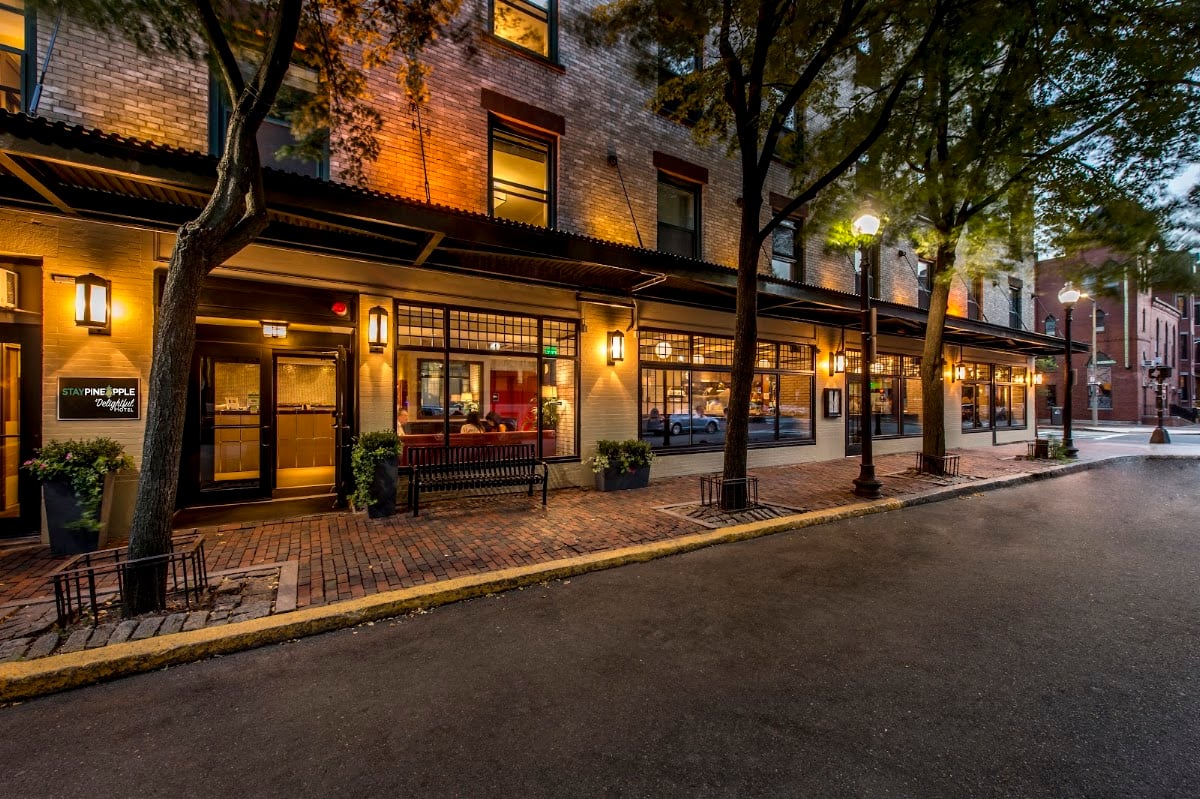
Trophy Room, 26 Chandler St. A queer-inclusive bar and restaurant in the old Fritz space, under the Staypineapple hotel, with weekend drag and trivia.
Legacy & Crown, 79 Warrenton St. A mainstream club complex that hosts Gay Mafia Boston's parties: Latinx Wednesdays, the city's main Latino gay night, and big Saturdays across both rooms. It was the main Pride party venue in 2026. Go on those nights only.
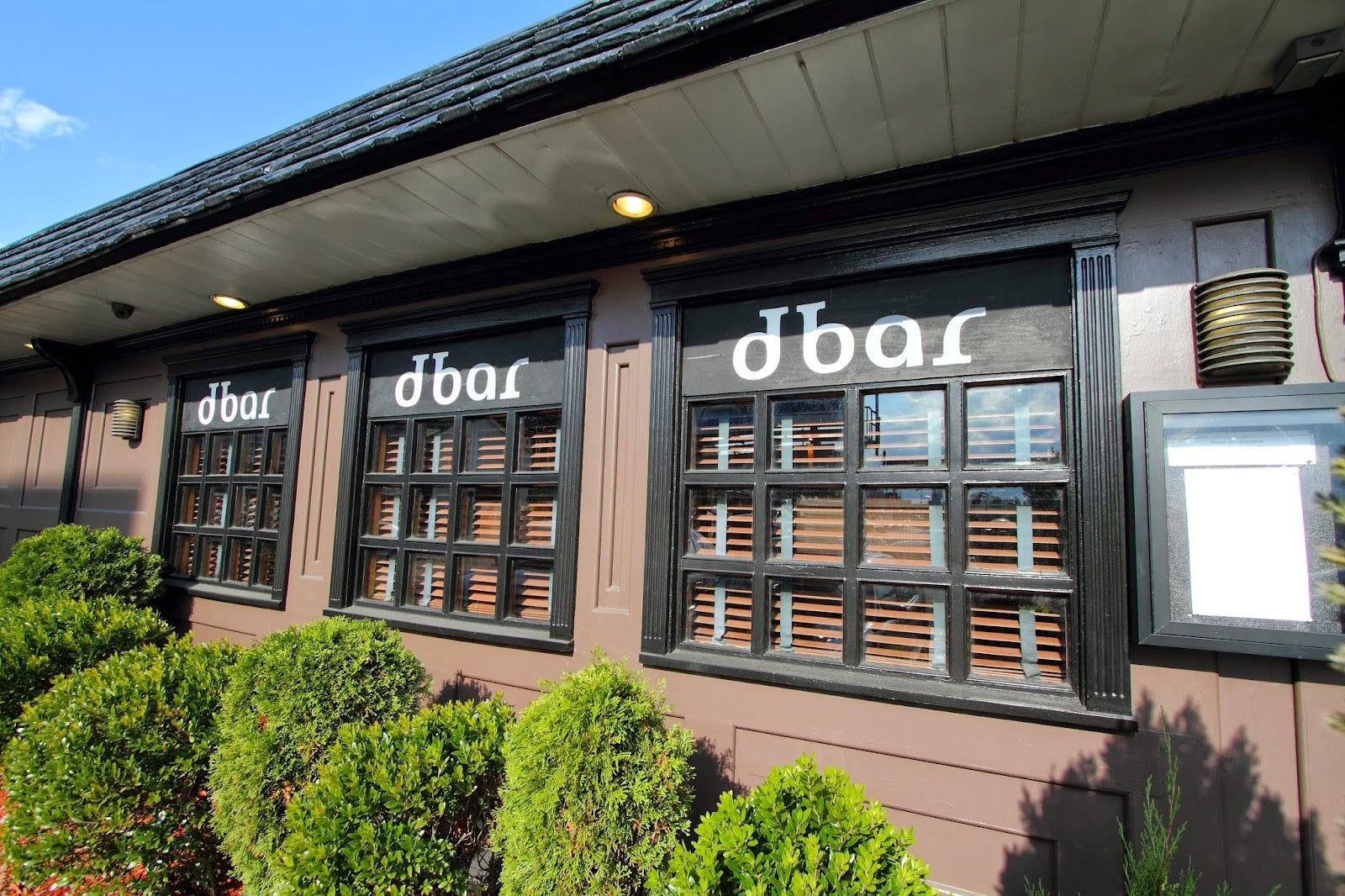
dbar, 1236 Dorchester Ave. A gay restaurant that turns into a club later on, with a Sunday Tea Dance. Late on Friday and Saturday; closed Mondays.
The Midway Café, 3496 Washington St, JP. A rock bar open since 1987, on this list for Queeraoke every Thursday from 8:30pm.
The full rundown is in our Boston gay bars guide.

Drag and cabaret
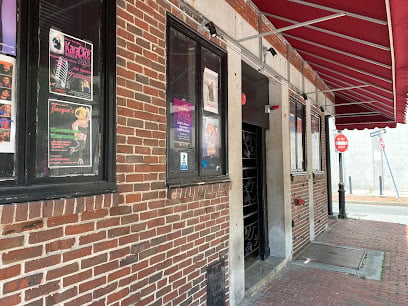
Jacque's Cabaret at 79 Broadway in Bay Village is Boston's oldest gay bar, dating to 1938, with drag most nights and an open stage on the second and fourth Mondays. Because it's in a residential street it closes at midnight. Club Café, Dani's and Blend all run drag brunches. Big touring drag shows (Drag Race tours, Bianca Del Rio, A Drag Queen Christmas) play the Wilbur, the Emerson Colonial and the Orpheum; see our Boston events page.
Saunas and cruising
Boston has had no gay bathhouse since the Safari Club was closed by the city in 1999, and there's no sex club. The nearest bathhouses are in Providence, Rhode Island. Hook-ups happen on the apps. The Back Bay Fens has a long history as a cruising ground, but public sex is a felony in Massachusetts. Our cruising guide covers the law and safety honestly.

Pride and the yearly calendar
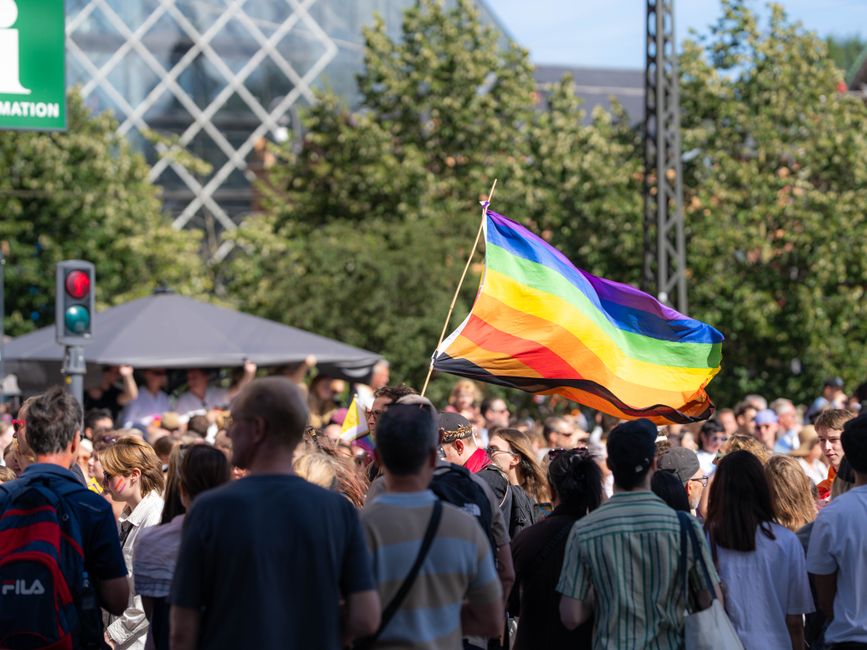
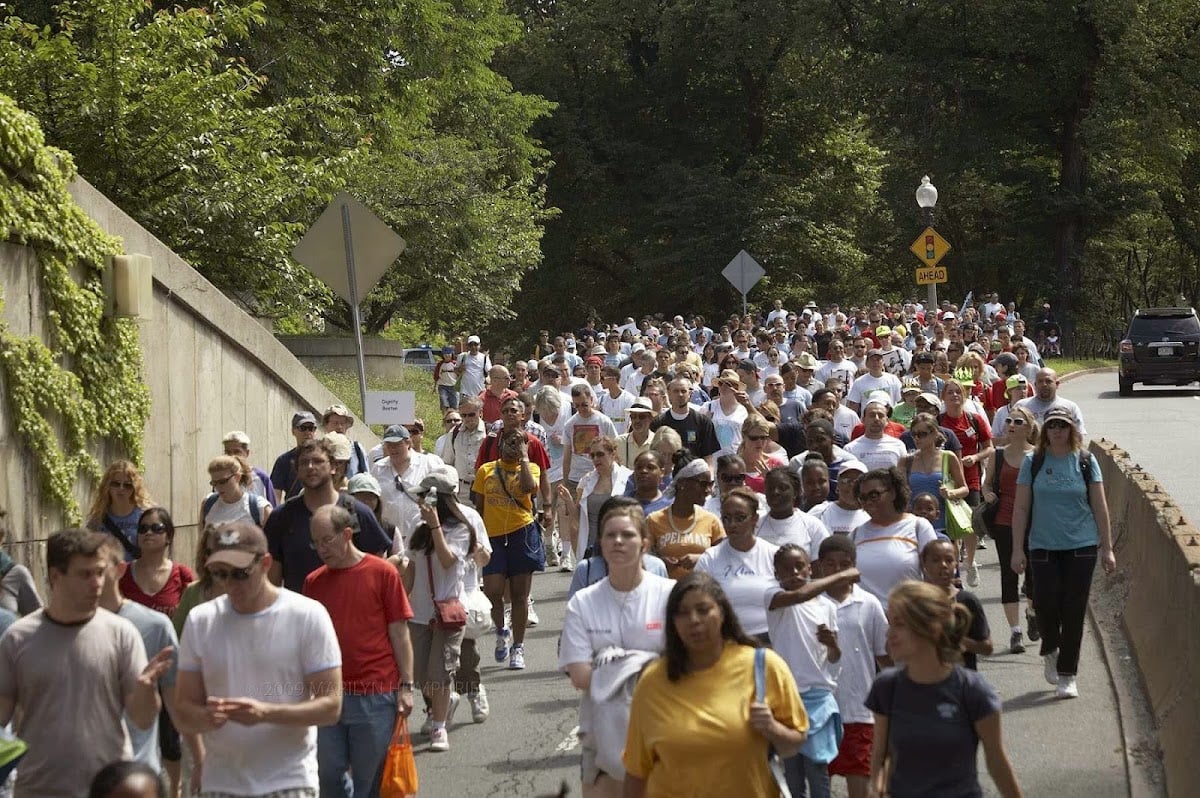
Boston Pride collapsed in 2021 when the old organisation dissolved, and volunteers brought it back in 2023 as Boston Pride for the People. In 2026 the parade left Copley Square at 11am on Saturday 6 June, a week earlier than usual because of World Cup matches, and ended with a festival on Boston Common. Press counted about 15,000 marchers. The 2027 date had not been announced at the time of writing; in 2026 it came out in March.
- Boston Dyke March: the Friday before the parade (5 June in 2026), from the Parkman Bandstand on the Common. Grassroots, unpermitted, running since 1995.
- Boston Black Pride: run by the LesBiGay Urban Foundation, 1 to 5 July in 2026, ending with a music and arts festival.
- Wicked Queer, the Boston LGBTQ+ film festival: 3 to 16 April 2026 at the Brattle, the MFA, the Coolidge Corner Theatre and the Somerville Theatre. The 2027 festival is set for 2 to 11 April 2027.
- Red Sox Pride Night at Fenway Park, usually in June (16 June in 2026).
- Provincetown: in summer many Boston men spend weekends on the Cape. Fast ferries take about 90 minutes from the Seaport and Long Wharf; Bear Week ran 11 to 18 July in 2026.
- Machine and Ramrod, 1254 Boylston St: both closed on 14 March 2020 when the building was sold.
- The Eagle, 520 Tremont St: the leather bar closed during the pandemic and didn't reopen.
- Fritz, 26 Chandler St: the gay sports bar is now Trophy Room, and the Chandler Inn upstairs is Staypineapple.
- Candibar, 275 Tremont St: now Crown, part of the Legacy & Crown complex.
- Calamus Bookstore: closed in 2016. Boston proper has no gay shop left; All She Wrote Books in Somerville is the nearest queer bookstore.
- Safari Club: Boston's last bathhouse, shut by the city in 1999.
- Taylor House B&B in Jamaica Plain closed in 2020.
- Boston Pride, the old organisation, dissolved in 2021. Today's parade is run by Boston Pride for the People.
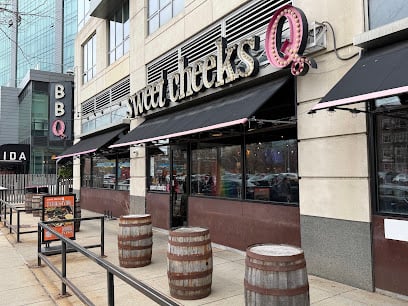
- Sweet Cheeks Q, queer chef Tiffani Faison's barbecue restaurant in the Fenway, closes on 24 November 2026.
- Getting in: Logan Airport (BOS) is about 5km from downtown. The Silver Line SL1 bus runs from every terminal to South Station for free, and the Blue Line is a shuttle bus away. A rideshare to the South End takes 15 to 25 minutes outside rush hour.
- Getting around: the T covers most of it. Back Bay (Orange Line) and Copley (Green Line) for the South End and Back Bay; Green Street for JP; Savin Hill or Fields Corner (Red Line) for Dorchester Avenue. Since August 2025 trains run about an hour later on Friday and Saturday nights; on other nights the last trains leave around 12:30 to 1am.
- Last call is 2am and bars clear soon after. Jacque's closes at midnight.
- ID: every bar scans ID, so carry a passport if you're from abroad.
- Health: Fenway Health offers PrEP and testing. For PEP within 72 hours, call Fenway or go to an emergency department.
- When to go: June for Pride, September and October for the best weather. January to March is cold, snowy and windy.
- The T: the subway and bus network.
- Wicked: very, as in "wicked busy tonight".
- JP: Jamaica Plain. Southie is South Boston, which is a different neighbourhood from the South End.
- P-town: Provincetown.
- Packie: a liquor shop.
Community
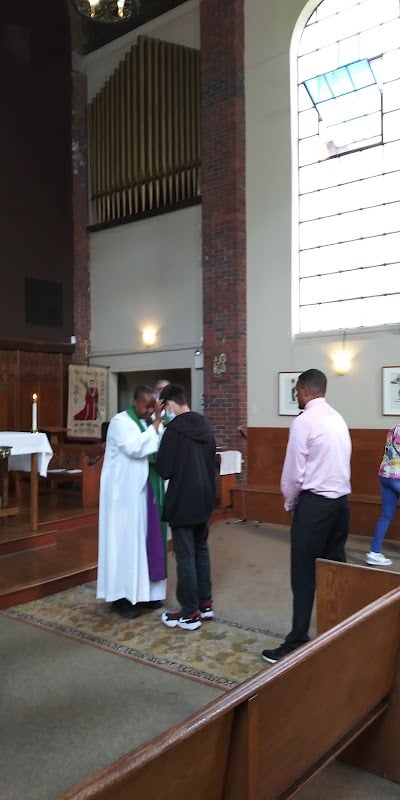
Fenway Health at 1340 Boylston St is the anchor: primary care, PrEP, HIV and STI testing and trans health care. BAGLY at 28 Court Square has run programmes for LGBTQ+ young people since 1980. The Theater Offensive makes queer and trans theatre from the Boston Center for the Arts. GLAD Law, the legal group that won Goodridge, is downtown on Tremont Street, and DignityBoston holds a Sunday 5pm Mass for LGBTQ+ Catholics at St Stephen's on Shawmut Avenue. The Boston Gay Men's Chorus sings at Symphony Hall and Jordan Hall.

Queer history to walk
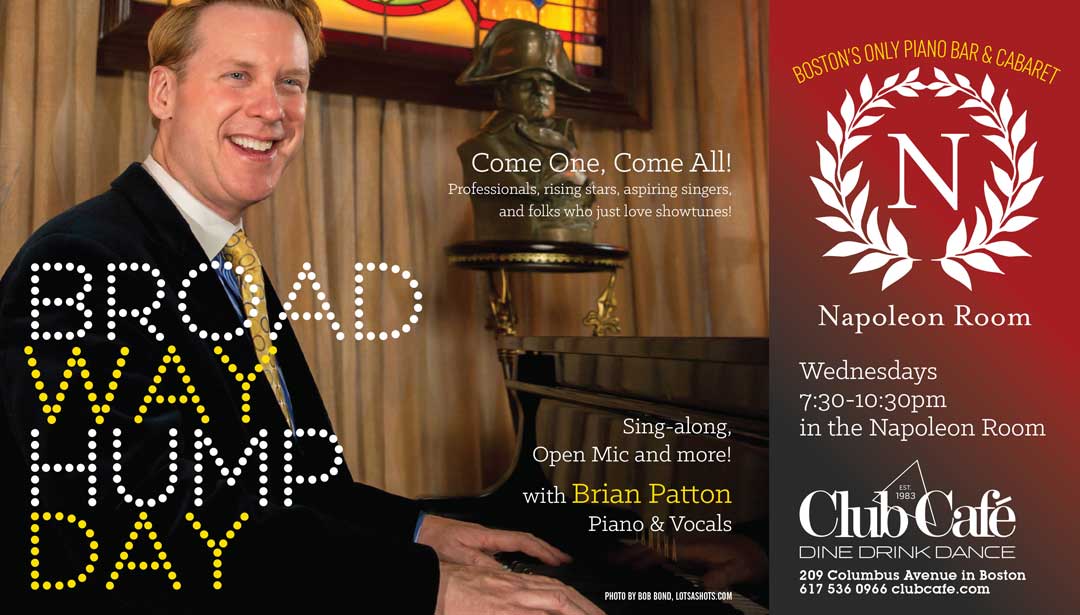
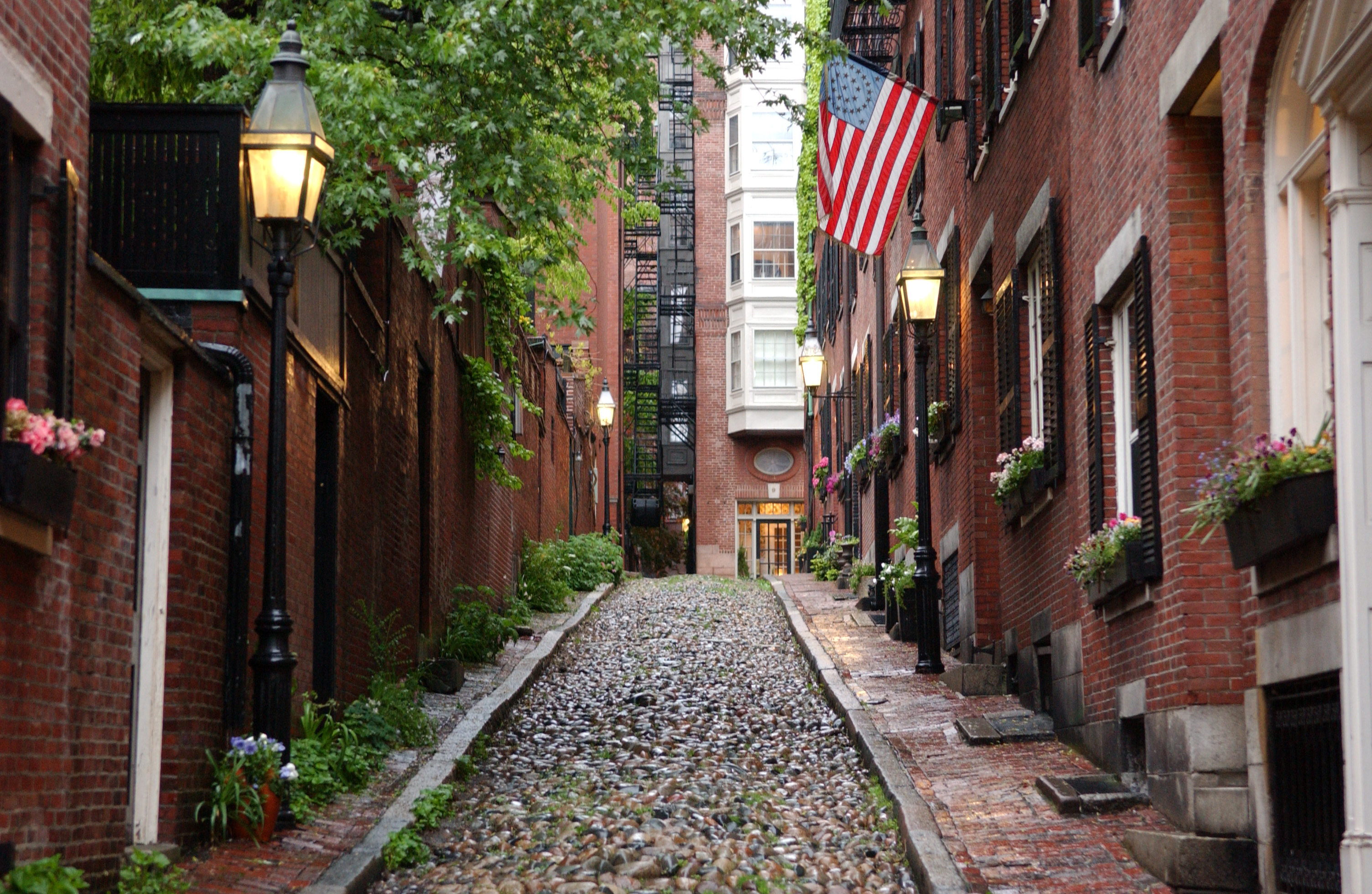
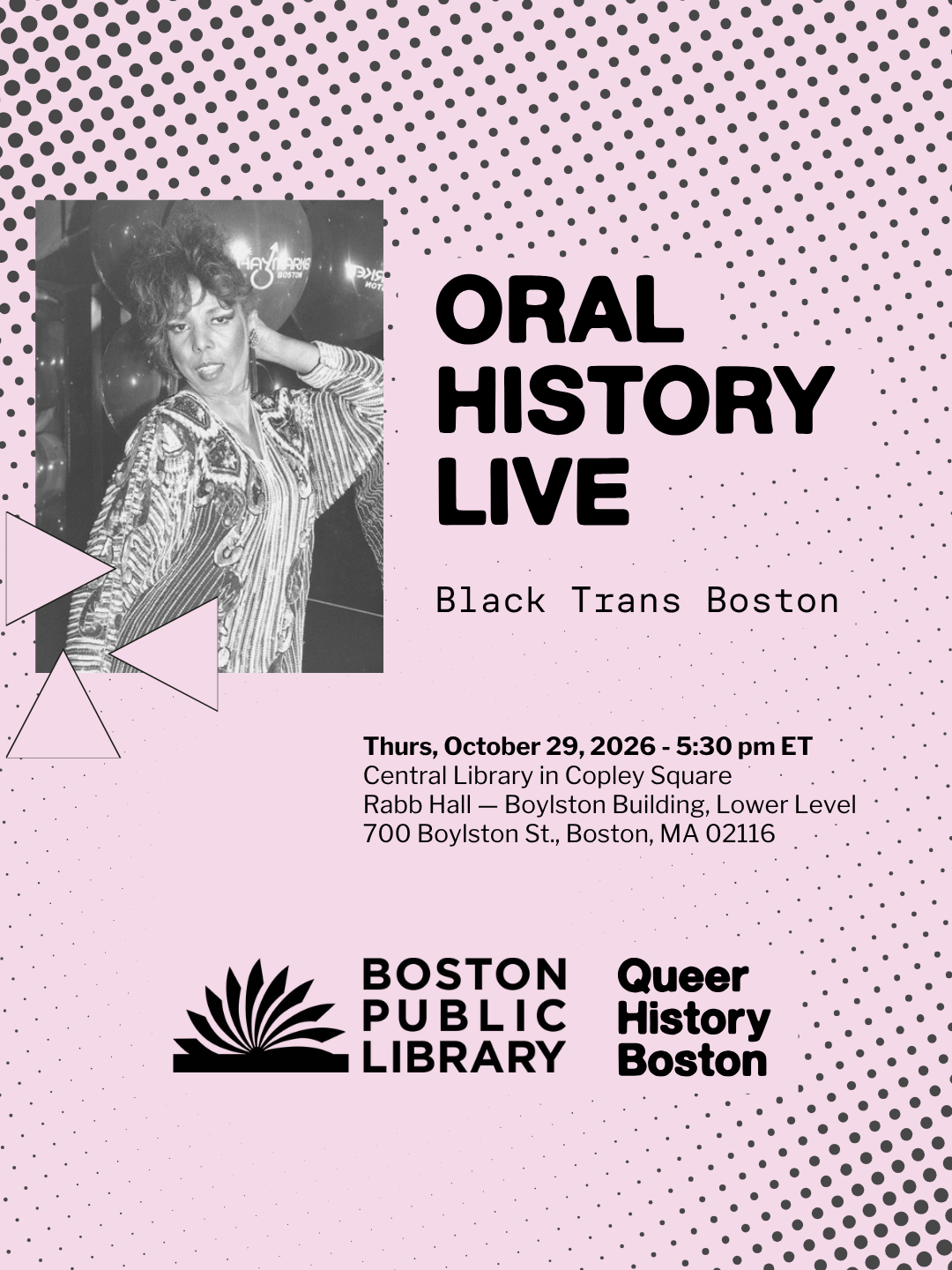
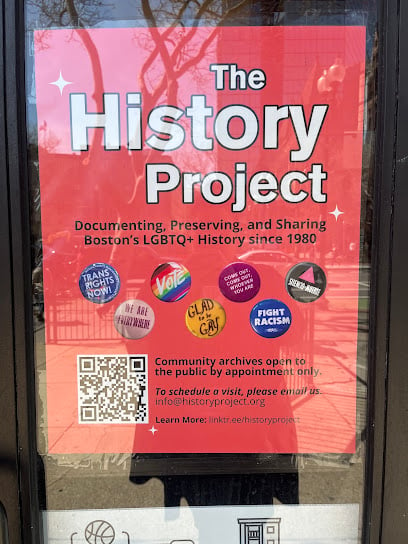
Boston's gay history is old and well documented. The Charles Street Meeting House on Beacon Hill is where the Homophile Union of Boston formed in 1969 and where the first Pride march set off in 1971. Prescott Townsend hosted the Boston Mattachine Society in his Beacon Hill house from 1957. Gay Community News was published here from 1973; its offices at 22 Bromfield Street were hit by arson in 1982. The Napoleon Club ran as a private gay club in Bay Village until 1998. Queer History Boston (until 2025 The History Project) keeps the archive at 565 Boylston Street and runs walking tours. On 17 May 2004 the first legal same-sex marriages in the US took place in Massachusetts, many of them at Cambridge City Hall.
Where to stay
For walking access to the bars, stay in the South End or Back Bay. Staypineapple South End, the former Chandler Inn, puts Trophy Room downstairs and Club Café five minutes away. Clarendon Square Inn is a small South End B&B in a brownstone, and the Marriott Copley Place is a short walk from both neighbourhoods. See all our Boston hotels.

Closed or changed: gone but still Googled
Practical tips

A few words of Bostonian
At a glance
| Place | Type | Area | Best for |
|---|---|---|---|
| Club Café | Bar, restaurant, cabaret | South End | First night out, Sunday drag brunch |
| Dani's Queer Bar | Sapphic queer bar | Back Bay | Sapphic Saturdays |
| Cathedral Station | Sports bar | South End | Game days, patio |
| The Alley | Bear bar | Downtown Crossing | Bears, cheap drinks |
| Jacque's Cabaret | Drag bar | Bay Village | Old-school drag |
| Legacy & Crown | Club with gay nights | Theatre District | Latinx Wednesdays, big Saturdays |
| dbar / Blend | Restaurant-bars | Dorchester | Dinner, drag brunch, Tea Dance |
| Midway Café | Rock bar | Jamaica Plain | Queeraoke on Thursdays |

Frequently asked questions
What is the gay neighbourhood in Boston?
The South End, around Columbus Avenue and Tremont Street. Club Café, Cathedral Station and Trophy Room are there, and Bay Village (Jacque's) and Back Bay (Dani's) are next door. Jamaica Plain is the traditional lesbian and queer neighbourhood.

Does Boston have a gay sauna or bathhouse?
No. The last one, the Safari Club, was closed in 1999. The nearest bathhouses are in Providence, Rhode Island, about an hour away.
Is there a lesbian bar in Boston?
Yes. Dani's Queer Bar opened at 909 Boylston St in September 2024. Queeraoke at the Midway Café in JP on Thursdays is the other long-running queer night.

When is Boston Pride 2027?
Not announced yet. Boston Pride for the People held the 2026 parade on Saturday 6 June, from Copley Square to Boston Common, and announced that date in March. Expect early to mid June.
What time do Boston bars close?
Last call is 2am. The T runs about an hour later on Friday and Saturday nights than on other nights, but after that you'll need a rideshare.
Last verified: October 2026.

