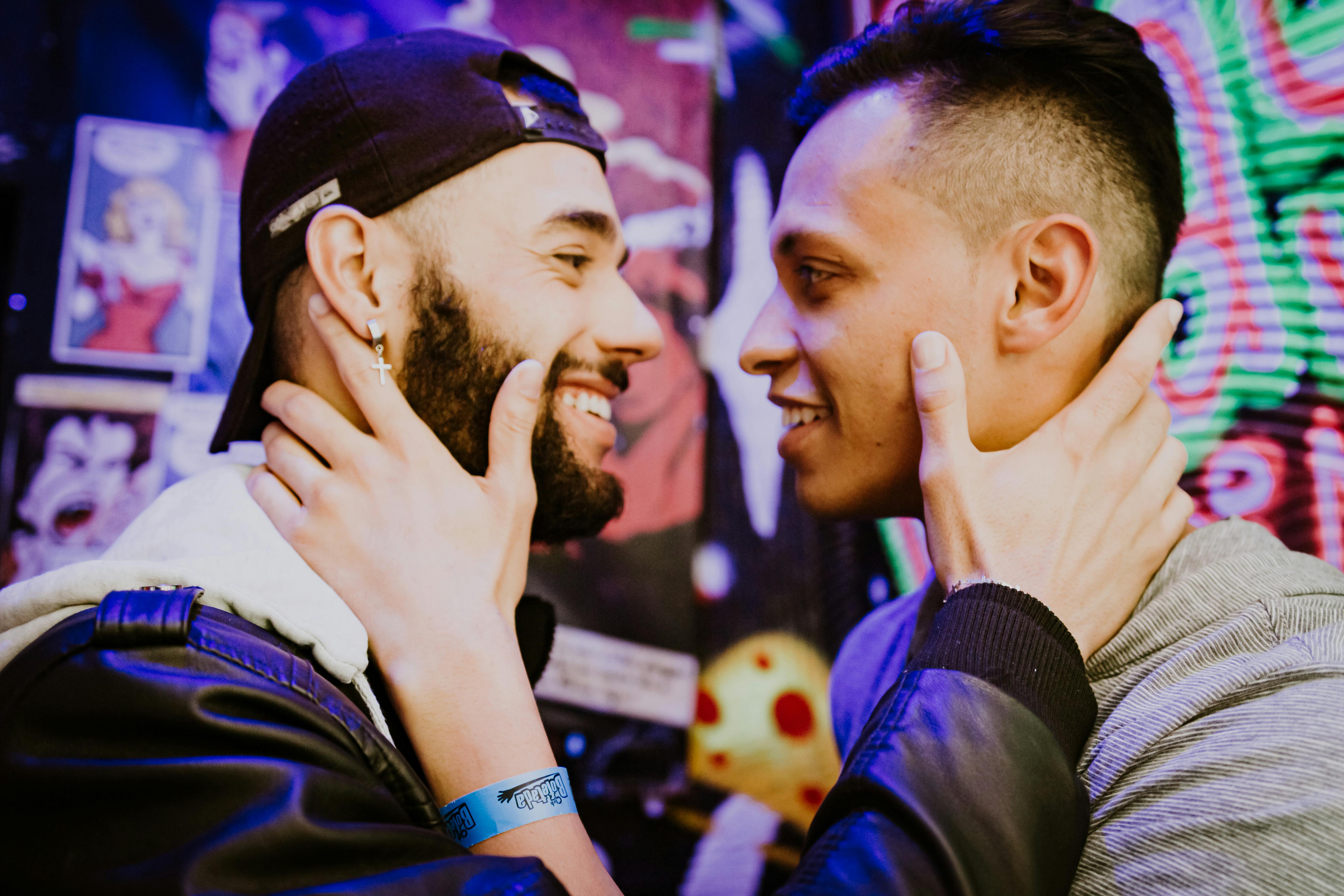
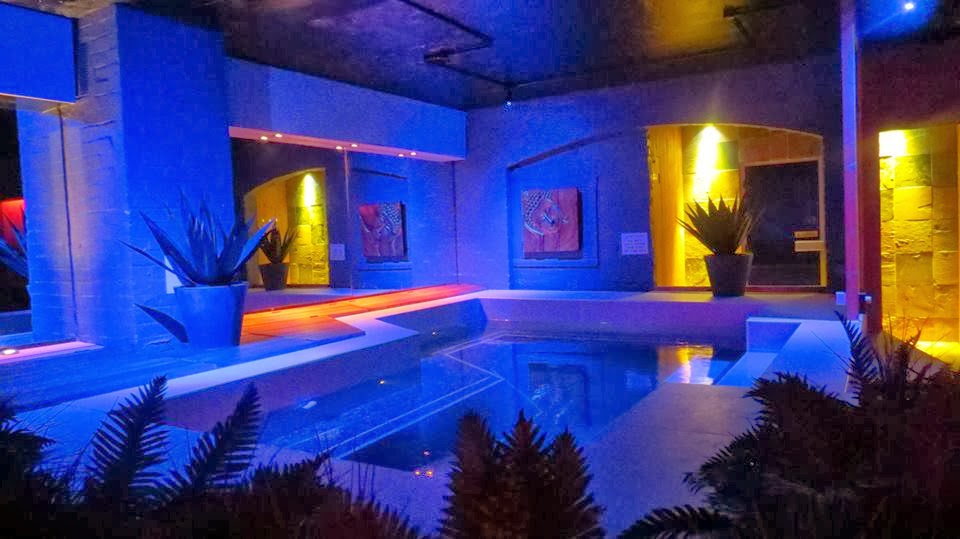
England has one of the most comprehensive LGBTQ+ legal frameworks in the world. Same-sex sexual activity was decriminalised in England and Wales in 1967 (Sexual Offences Act), with the age of consent equalised at 16 in 2001. The Civil Partnership Act 2004 introduced legal recognition for same-sex couples; the Marriage (Same Sex Couples) Act 2014 extended full marriage rights. The Equality Act 2010 provides comprehensive anti-discrimination protections covering sexual orientation and gender…
The most famous gay pub on Old Compton Street — open since 1952, rebuilt after the 1999 nail bomb attack that killed three. A symbol of resilience at the heart of London's gay life.
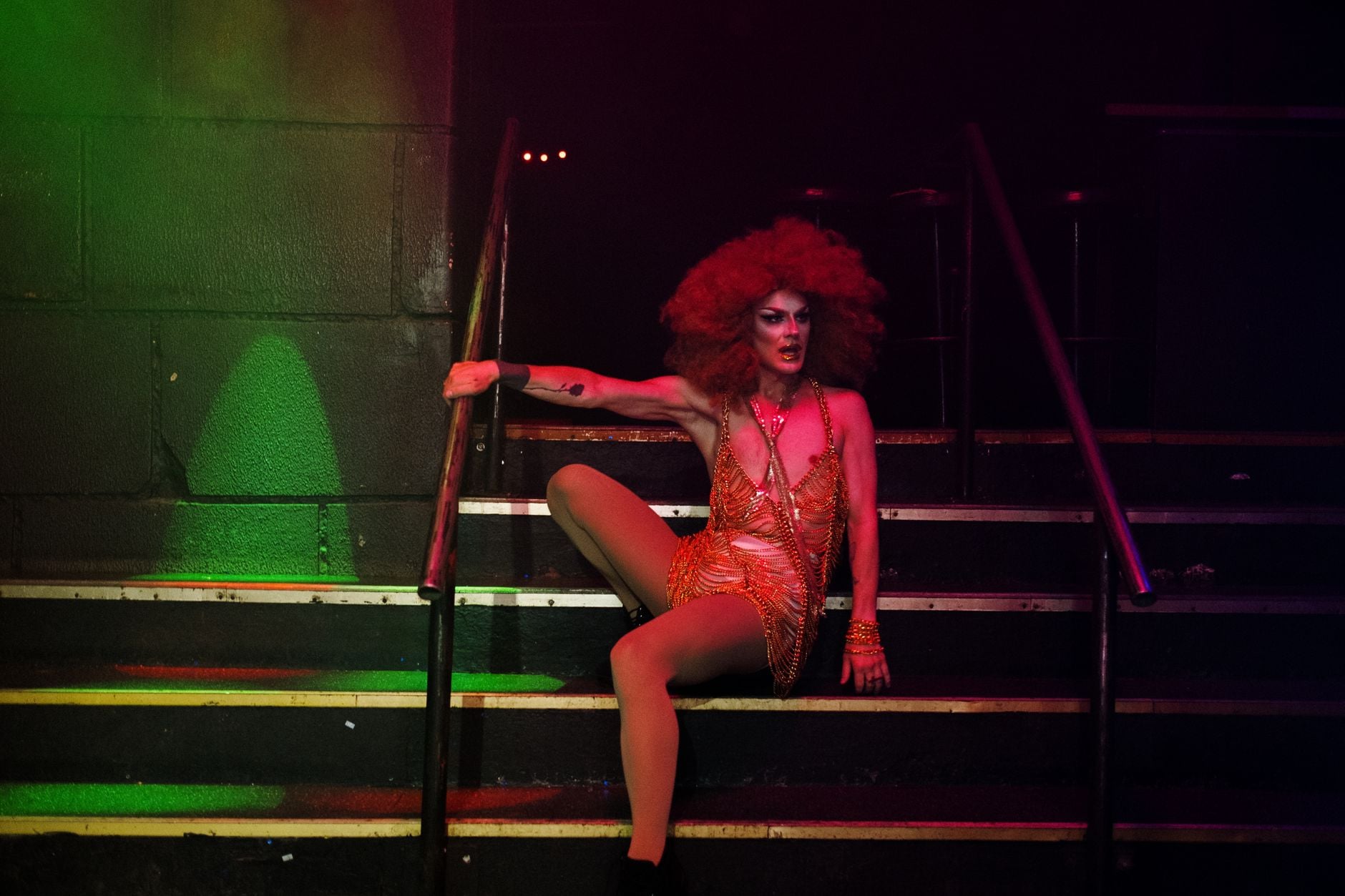
London's oldest surviving gay venue — a pub and performance space in Vauxhall that has operated continuously since the 1940s and hosted everyone from Princess Diana to Lily Savage.
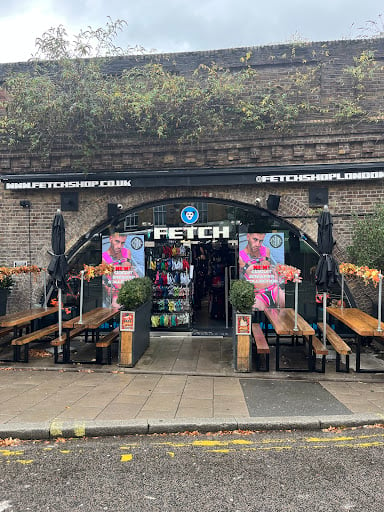
All the essentials for your everyday fetish needs ; aromas, toys, leather clothing, rubber clothing, 2nd hand rail, army boots, stimulants, sports gear.. Nearest tube station: Oval
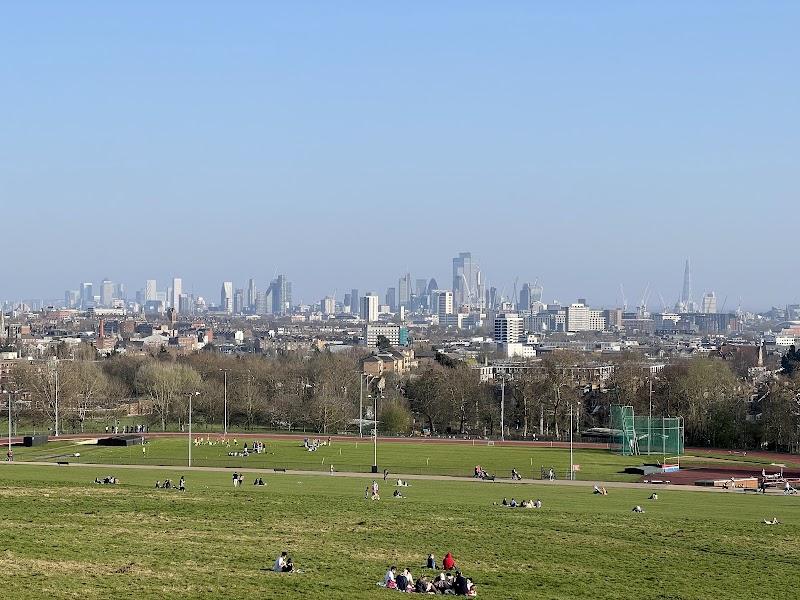
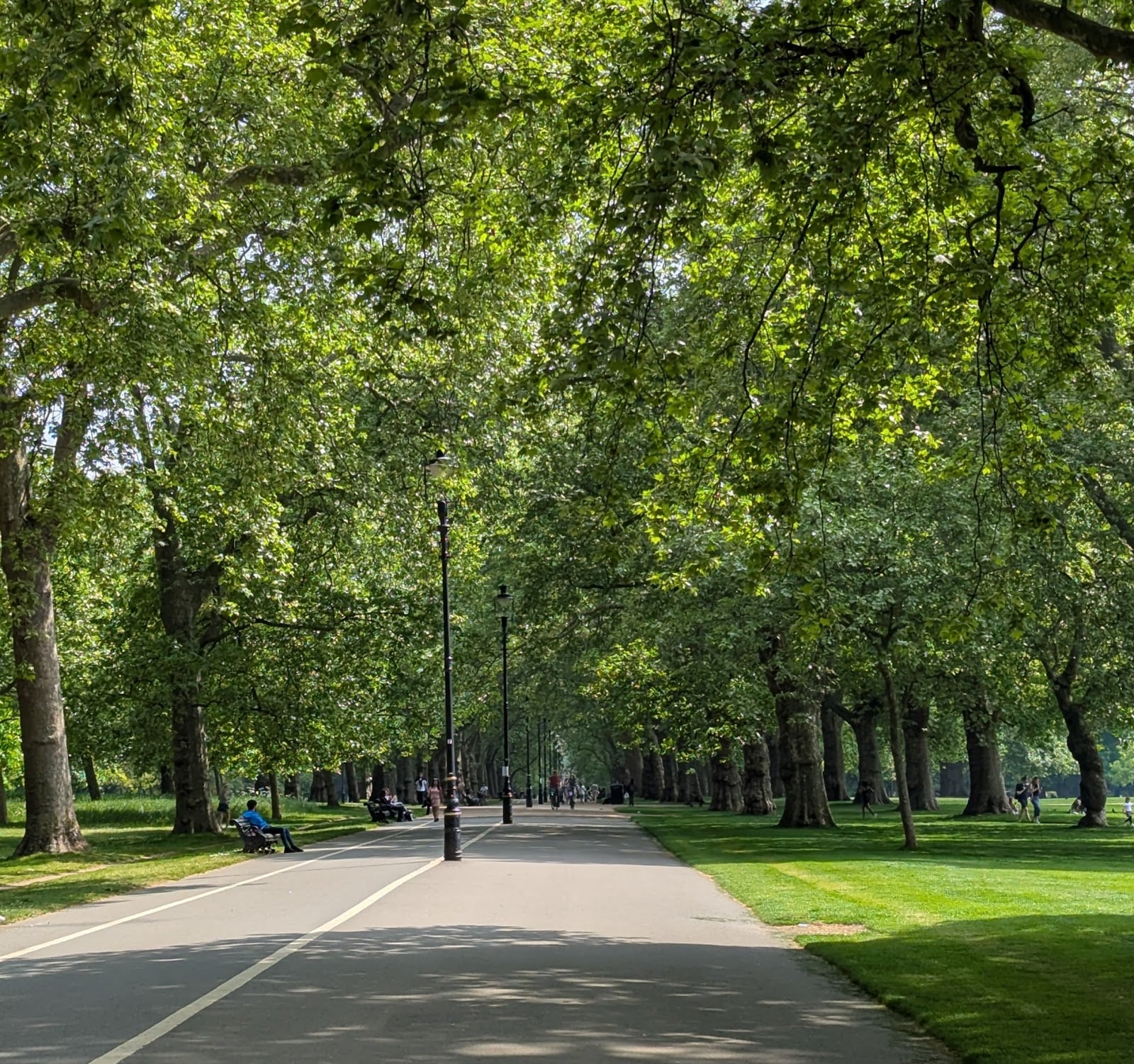
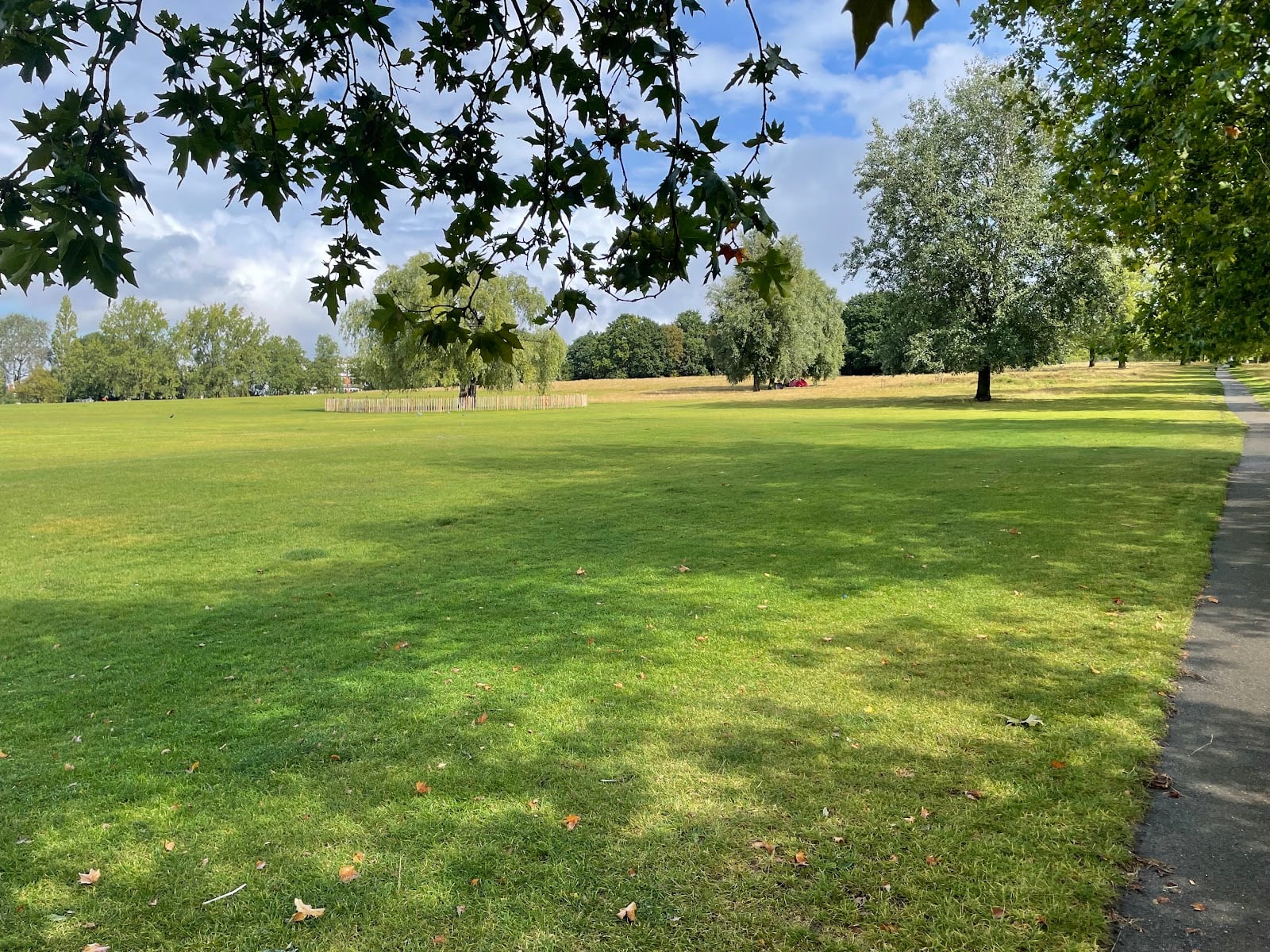
Hampstead Heath is London's most famous outdoor cruising ground. West Heath draws a large crowd during daylight and at dusk — one of the busiest such areas in Europe, active since the 19th century.
Gay Run Outdoor cruising starts at dusk and not before! It happens until 2am in summer & earlier in winter; but after 12midnight you must use the small gate by the ladies public toilets to enter/exit.
Clapham Common is one of London's established outdoor cruising areas. Activity concentrates on the west side of the park in the denser bushes, roughly 500m from Clapham Common tube, after dark every…
Boutique hotel in a Georgian townhouse on Frith Street, Soho — 30 individually designed rooms, no reception desk, no lobby. The most atmospheric LGBTQ+-welcoming hotel in Soho.
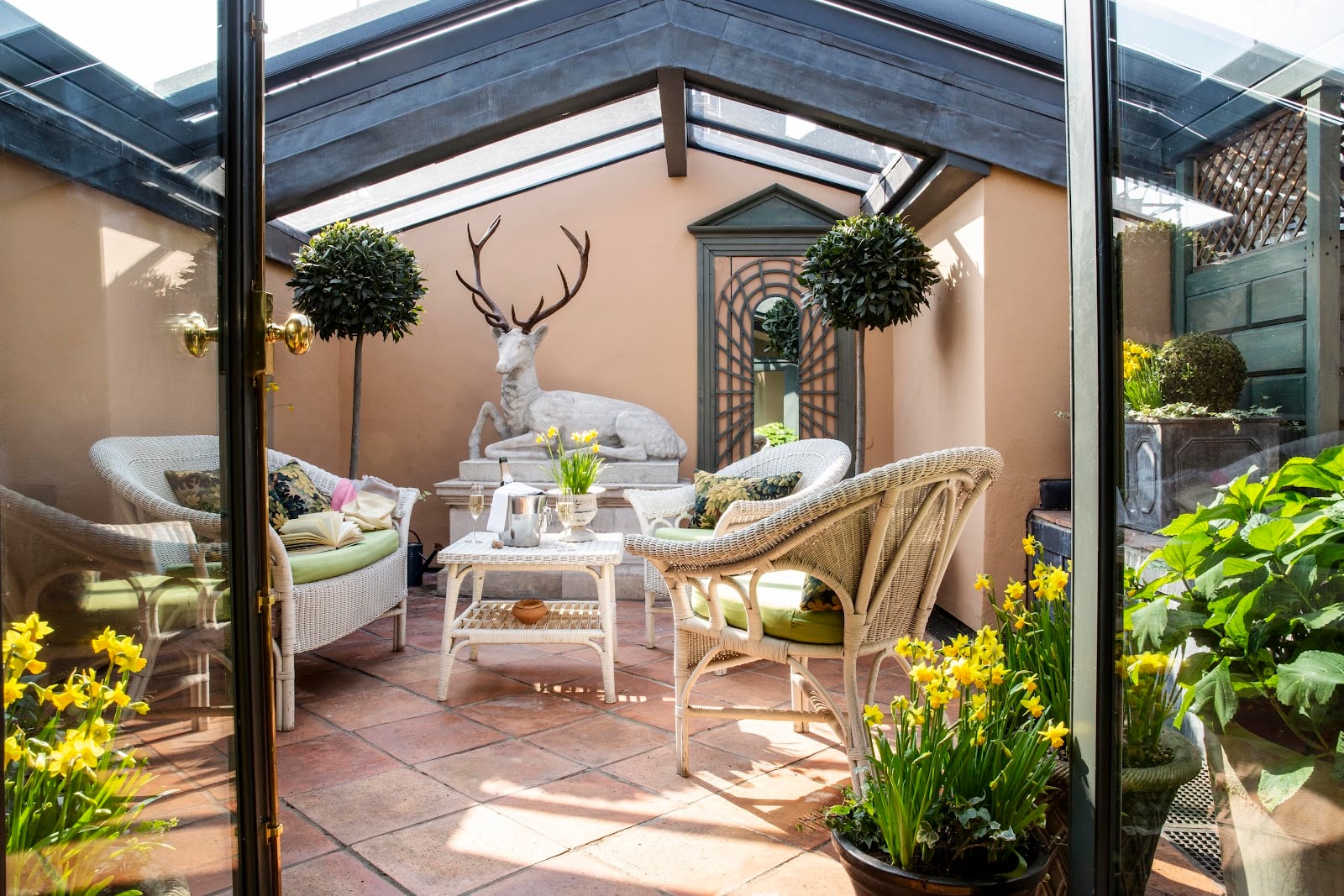
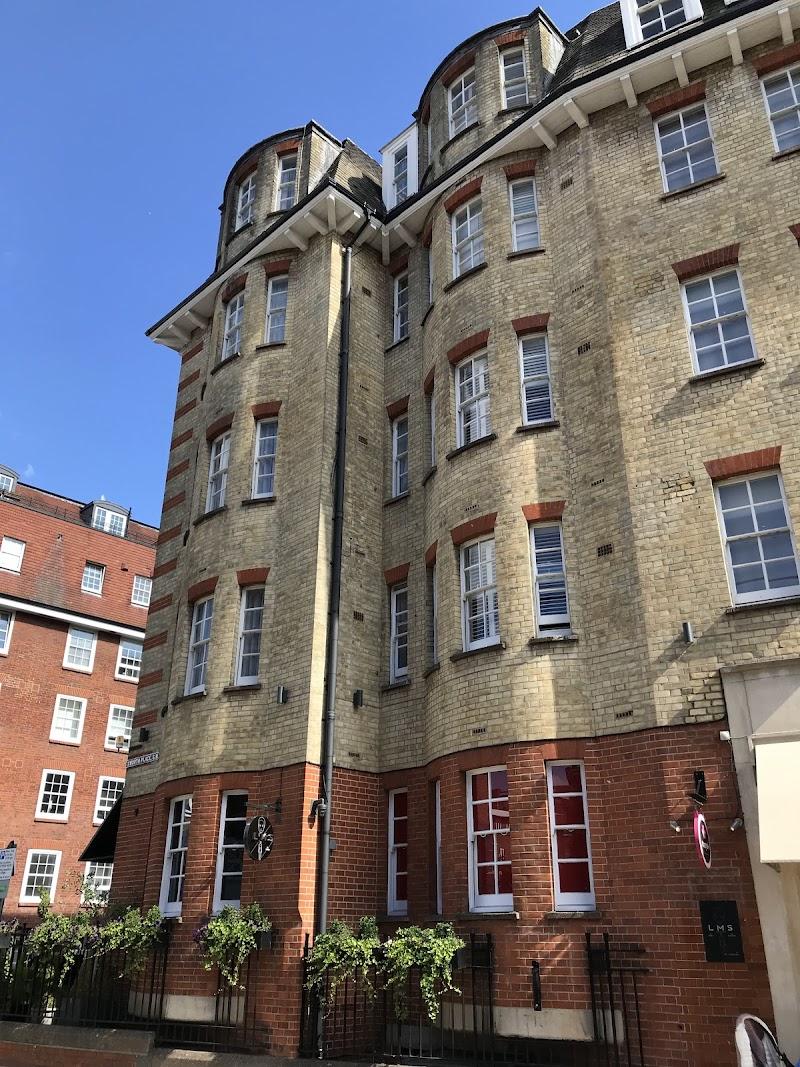
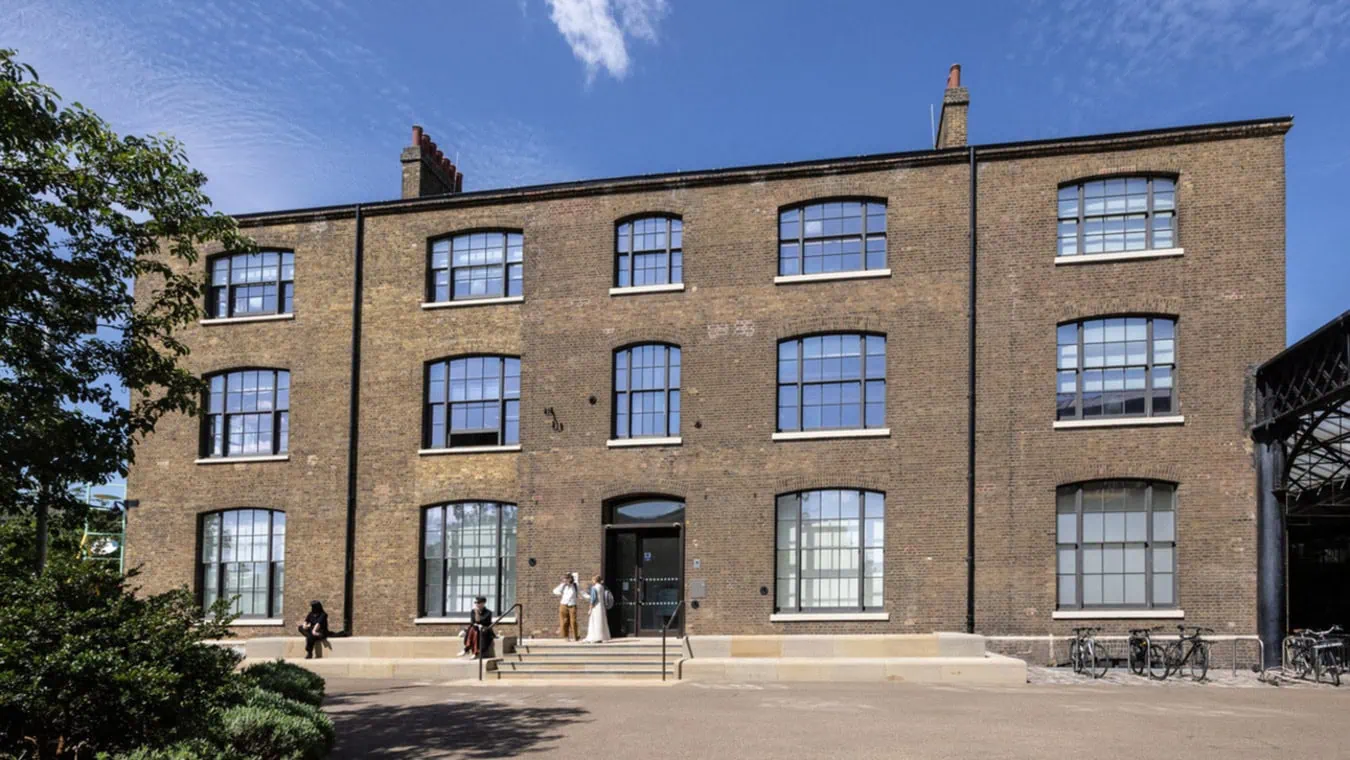
Dating back to the early 19th century, gay-friendly Central Station offers rooms with free Wi-Fi, 5 minutes' walk from Kings Cross Station. It also offers a rooftop terrace for guests to enjoy.
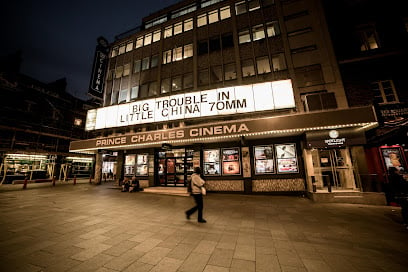
London's famous cult repertory cinema off Leicester Square, and quietly one of its most reliable queer screens: a standing LGBTQIA+ Stories strand, collaborations with the Funeral Parade Queer Film…
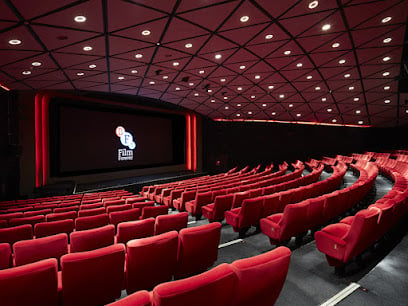
Britain's national cinematheque on the South Bank and the home of BFI Flare, the London LGBTQIA+ film festival held every March — one of the oldest and largest queer film festivals in the world.
Stonewall (officially Stonewall Equality Limited)[6] is a lesbian, gay, bisexual and transgender (LGBT) rights charity in the United Kingdom named after the Stonewall Inn of Stonewall riots fame in…
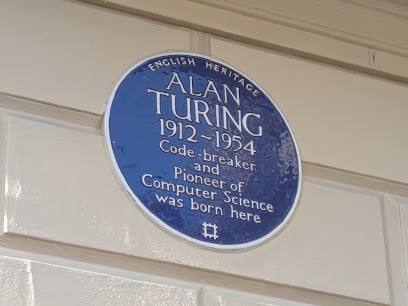
Blue plaque at the Warrington Crescent flats where mathematician and codebreaker Alan Turing was born in 1912 — a modest marker to the man whose 1952 gross-indecency conviction became the defining…
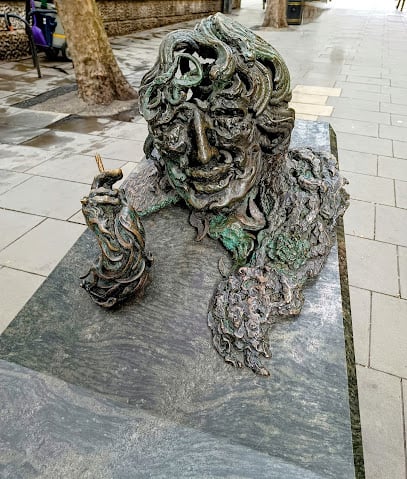
Maggi Hambling's 1998 bronze bench-sculpture of Oscar Wilde — the first public statue of a gay man in London, sited between St Martin-in-the-Fields and Trafalgar Square.
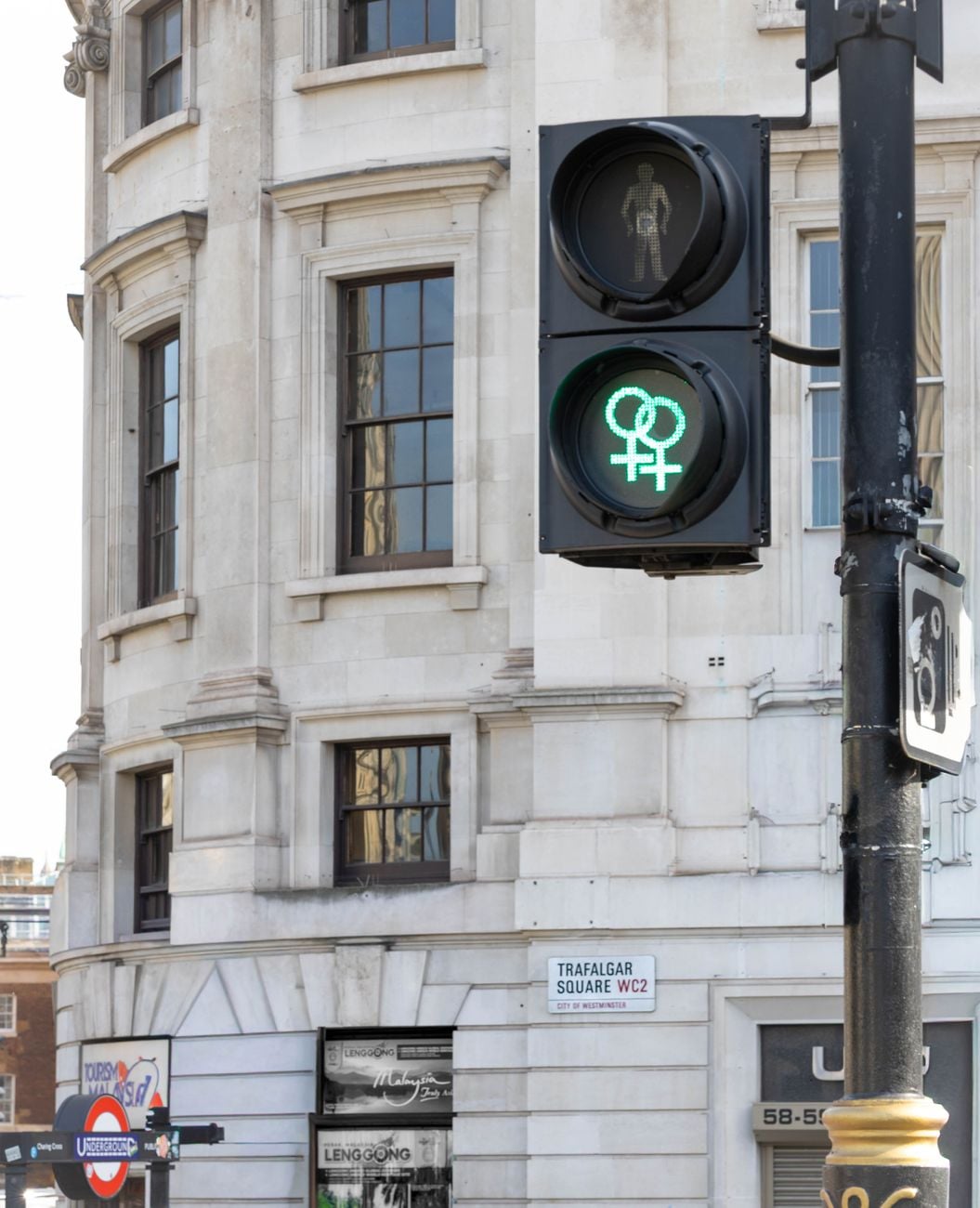
The Soho spine of London queer nightlife since the 1970s — pedestrianised, rainbow-crossings-marked, and still the site of the annual Pride march's Old Compton Street gathering.
London has one of the longest documented histories of LGBTQ+ community organization in the world. The modern gay rights movement in Britain was catalyzed by the Wolfenden Report (1957) and decades of activism, culminating in partial decriminalization in 1967 (later extended to Scotland in 1980 and Northern Ireland in 1982). The Stonewall uprising in New York (1969) inspired London's gay liberation movement, with demonstrations and organizing intensifying through the 1970s and beyond. Despite the AIDS crisis of the 1980s and Section 28 legislation (1988-2003, which infamously restricted discussion of homosexuality in schools), London's gay scene not only survived but flourished, becoming one of the world's most visible and celebrated LGBTQ+ communities.
Soho: The Historic Gay Quarter
Soho remains the symbolic and practical center of London's gay scene. This neighborhood, roughly bounded by Oxford Street, Regent Street, Charing Cross Road, and Leicester Square, has housed gay venues since at least the 1950s. Old Compton Street is the main artery, lined with bars, cafes, and restaurants. The street's character is unmistakably queer, with rainbow flags, drag performers, and a constant flow of LGBTQ+ visitors and locals. Notable venues in Soho include the historic Admiral Duncan pub (which survived a 1999 neo-Nazi bombing and remains a symbol of community resilience) and various cocktail bars and clubs. The area is busy throughout the day and especially crowded on weekends and during Pride.
Soho also hosts the Soho Theatre, which frequently programs LGBTQ+-themed performances, and numerous restaurants with LGBTQ+ owners or themes. The neighborhood is extremely walkable and central to London's West End theater district.
East London: Shoreditch and Hackney
East London has become increasingly important to London's queer scene over the past 15-20 years. Shoreditch, with its creative industries, street art, and younger demographic, has developed an alternative queer culture distinct from Soho's more established venues. Hackney, further east, is a diverse, multicultural neighborhood with growing LGBTQ+ visibility and community spaces. The area around these neighborhoods features independent bars, clubs, and community venues that often prioritize inclusivity and diverse expressions of queerness. This area appeals to visitors seeking a less touristy experience and younger crowds.
Vauxhall: Late-Night Culture and Leather Scene
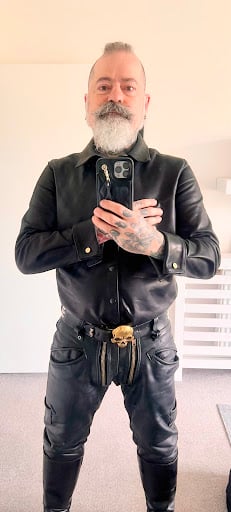
Vauxhall, south of the Thames (accessible via the Victoria or Northern line), is London's primary late-night gay clubbing destination. The area around South Lambeth Road concentrates numerous clubs and late-night venues. Vauxhall has historically been associated with leather culture, though this has diversified significantly. The neighborhood is known for extremely late opening hours—some venues operate until 6 or 8 AM. The crowd tends toward dance music, tech house, and house scenes. Vauxhall is less walkable than Soho and requires transit; visitors should plan accordingly and use safe transportation when leaving late at night.
King's Cross, historically an area of low repute, has undergone significant regeneration and has developed into an increasingly LGBTQ+-friendly neighborhood. The area hosts diverse communities and an emerging queer nightlife scene. The broader inner East and North London areas (Islington, Angel, Hackney, Bethnal Green) are home to many LGBTQ+ residents and venues.
London Pride
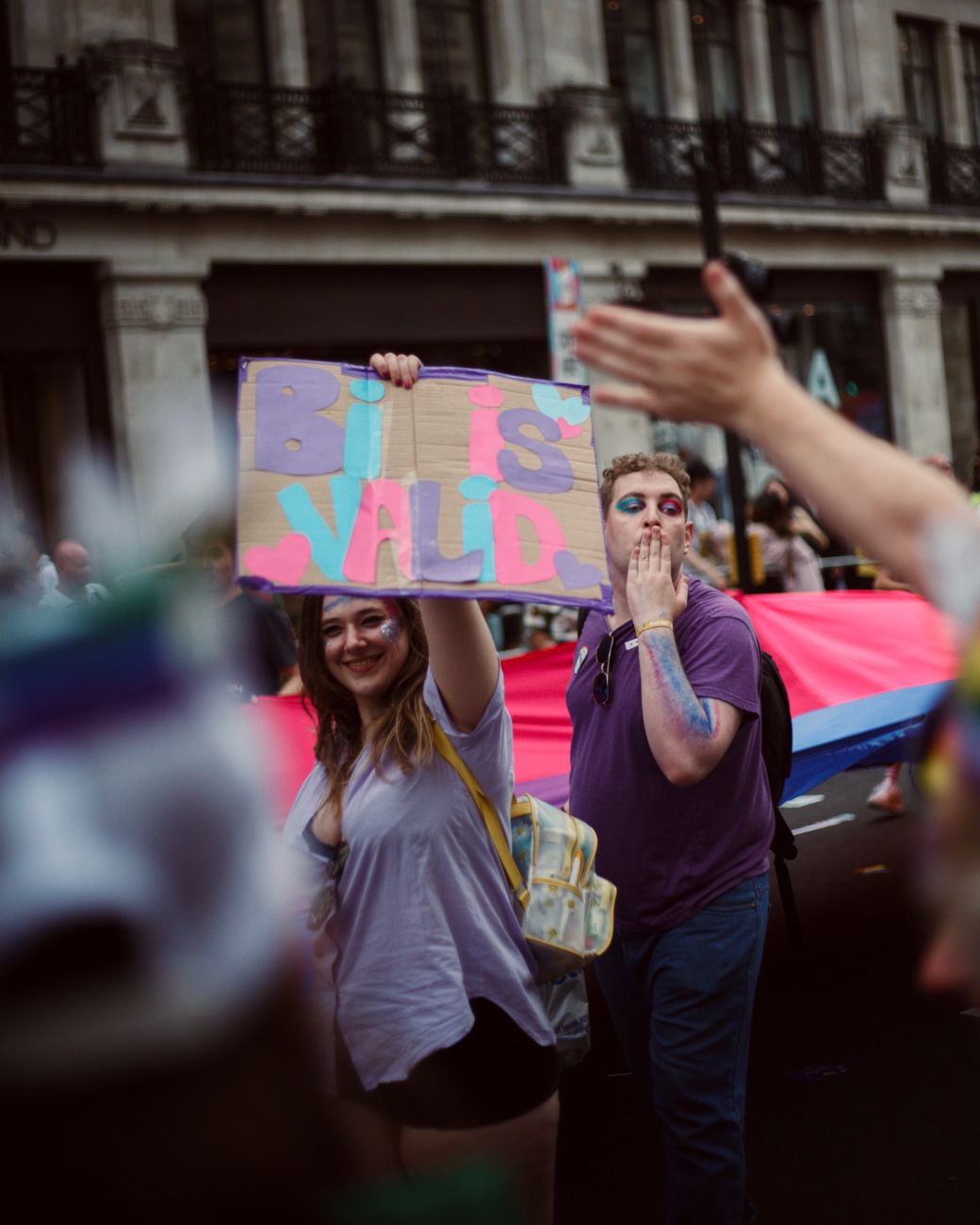
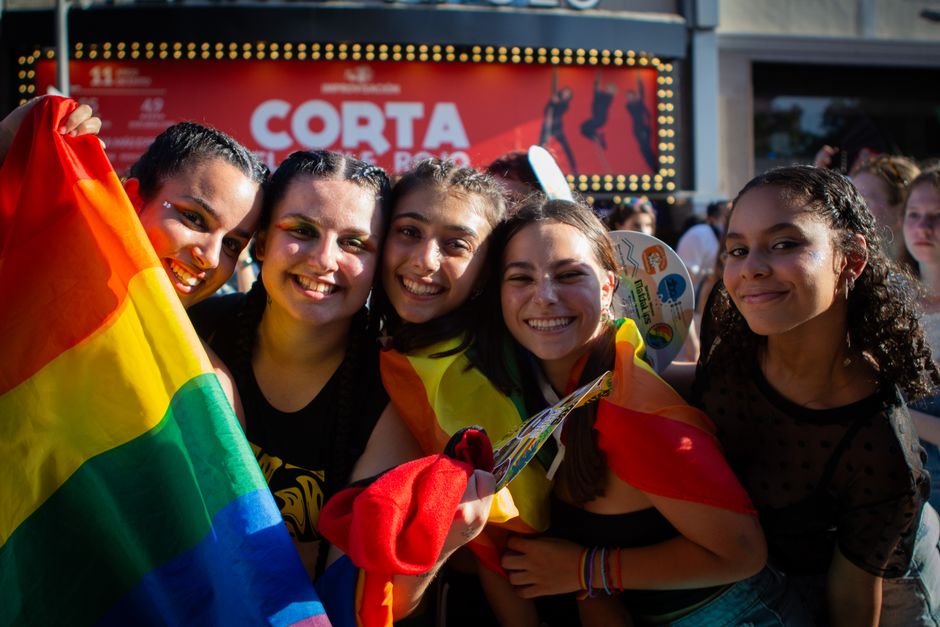
London Pride in July is one of Europe's largest Pride celebrations, drawing over one million participants. The main parade traditionally marches from the starting point in central London toward a festival site. Multiple stages feature performances, and the celebration spans several days with official and unofficial events. Local Pride is organized by Pride in London, a nonprofit, and has evolved into a major cultural and political event. Recent years have seen debates about commercialization and diversity of representation, but the event remains massive and celebratory.
Circuit Events and Parties
London hosts numerous circuit parties and seasonal events beyond Pride. These include themed club nights, summer parties, and international circuit events. Information about upcoming events is available through LGBTQ+ media, event listing sites, and social media.
Venues and Nightlife
London's LGBTQ+ nightlife ranges from casual neighborhood bars to large dedicated gay clubs. G-A-Y is a large nightclub brand with multiple London venues. Numerous other clubs, bars, and lounges exist across neighborhoods. The scene includes everything from dive bars to sophisticated cocktail venues. Specific recommendations depend on visitor preferences and interests. Many neighborhoods have LGBTQ+-friendly establishments beyond explicitly gay venues—London is generally welcoming across hospitality.
Soho offers the most immersion in gay nightlife and culture, with numerous hotels and accommodations in walking distance of venues. Hotels in Soho tend toward the mid-range to luxury spectrum. Nearby West End and Covent Garden areas offer additional accommodation with good access to Soho venues. East London (Shoreditch, Hackney) offers trendier, sometimes more budget-friendly options with good nightlife and a younger scene. King's Cross area offers good transit connectivity and emerging LGBTQ+ scene. South London and Vauxhall areas are primarily useful if targeting that specific scene; general tourists typically choose more central locations.
London's Transport for London (TfL) operates the Tube (subway), buses, trams, and light rail. The system is extensive, reliable, and well-documented. A visitor Oyster card or contactless payment system makes transit straightforward. Most LGBTQ+ venues are easily accessible by transit. Buses run 24 hours, making late-night clubbing accessible without driving. Walking is feasible in central neighborhoods like Soho.
Safety
London is generally very safe for LGBTQ+ travelers. The UK has strong legal protections for LGBTQ+ people, including marriage equality since 2014. Public displays of affection among same-sex couples are normal and accepted in central London, particularly in gay-friendly areas. Soho is well-policed and busy. East London areas are generally safe but follow standard urban precautions. Vauxhall, particularly late at night, should be navigated with standard urban safety awareness. Police are generally supportive of LGBTQ+ communities.
Food and Culture
London has world-class dining across all price points. Soho and surrounding areas host excellent restaurants. The city's diversity means exceptional cuisine from around the world. Many venues are LGBTQ+-owned or operated. Beyond food, London's museums, galleries, theater, and cultural institutions are world-renowned. The British Museum, National Gallery, V&A Museum, and countless others are excellent. Theater in the West End (and off-West End) is exceptional, with venues frequently programming LGBTQ+ work and having strong LGBTQ+ audiences.
London's excellent transit connections enable day trips. Brighton, about an hour south by train, is England's primary seaside gay destination with a established LGBTQ+ scene. Oxford and Cambridge are accessible for day visits. Windsor offers royal history and countryside. The Cotswolds provide scenic countryside. Many visitors combine London with other UK destinations.
Practical Information
London uses the British pound (GBP). Most establishments accept card payments. English is the primary language. The city operates on Greenwich Mean Time. Healthcare is available through the NHS (National Health Service)—visitors from EU countries have reduced-cost access; others should verify travel insurance. London's weather is variable; visitors should prepare for rain year-round.
London serves as an excellent primary destination or hub for broader UK travel, with exceptional infrastructure, culture, and one of the world's most visible LGBTQ+ communities.
Frequently asked questions
London is one of the most LGBTQ+-friendly cities globally. The UK legalized same-sex marriage in 2014 and Pride in London draws over a million people every July. The scene spans multiple neighborhoods and is active year-round.
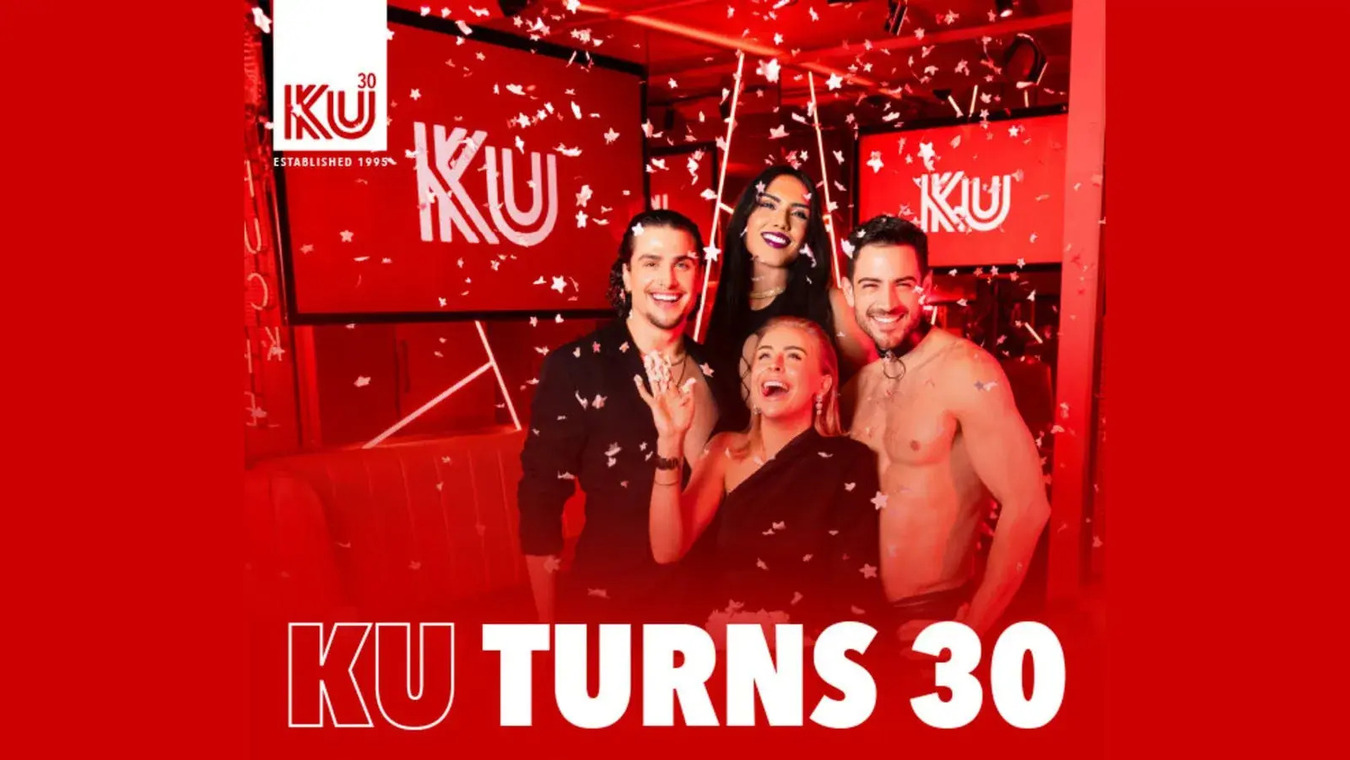
Soho (around Old Compton Street) is the historic gay village with bars like Comptons, The Yard, Ku Bar, Freedom and She Soho. Vauxhall hosts the bigger clubs (Eagle, Fire, Union). East London (Dalston, Hackney) has the alternative/queer/lesbian-leaning scene. RVT (Royal Vauxhall Tavern) is a legendary cabaret pub.
For Soho nights: Comptons, The Yard, Ku Bar, Freedom, She Soho. For dance clubs: Heaven (under Charing Cross arches), Fire (Vauxhall, all-night), Eagle. For cabaret: RVT, Two Brewers (Clapham). G-A-Y's Saturday nights at Heaven remain a London institution.
Early July for Pride in London. Summer (June–August) has the longest days and most outdoor events. UK Black Pride happens in August. The scene is fully active year-round.
Yes — many central hotels are gay-friendly without being explicitly marketed. Stay near Soho or Covent Garden to walk to bars. See the hotel map above for current prices.
Your privacy choices.
We use cookies to run GayOut and, with your consent, measure usage. Learn more
Your privacy choices
We use cookies to keep GayOut running, remember your preferences, and (with your permission) measure how the site is used. You can accept all, reject all, or pick what you allow. Learn more
Essential
Required for sign-in, fraud prevention, CSRF protection and remembering your language. Cannot be disabled.
Always on
Remembers your favourites, dark mode and other interface preferences across visits.
Helps us understand which pages people visit (Google Analytics, server-side stats) so we can improve.
Used by campaign tracking pixels. None are active right now, reserved for future use.
Install GayOut
Add GayOut to your home screen for faster access, offline favourites, and Pride alerts.










 Gay Bars & Clubs
Featured
(1043)
Gay Bars & Clubs
Featured
(1043)