First country in Africa to legalise same-sex marriage (2006). Constitutional protections exist, but LGBTQ+ people face significant societal prejudice, especially outside cities.
Beulah bar is the starting point for your night around Cape Town. The word 'beaulah' means beautiful in the local gay slang and describes many of the customers at this quaint bar/club.
Manhattan is a gay cafe, Restaurant and bar, the restaurant is quite big and is inside, the food drink and service here is very good, and the staff are fun and friendly making this a must when in gay…
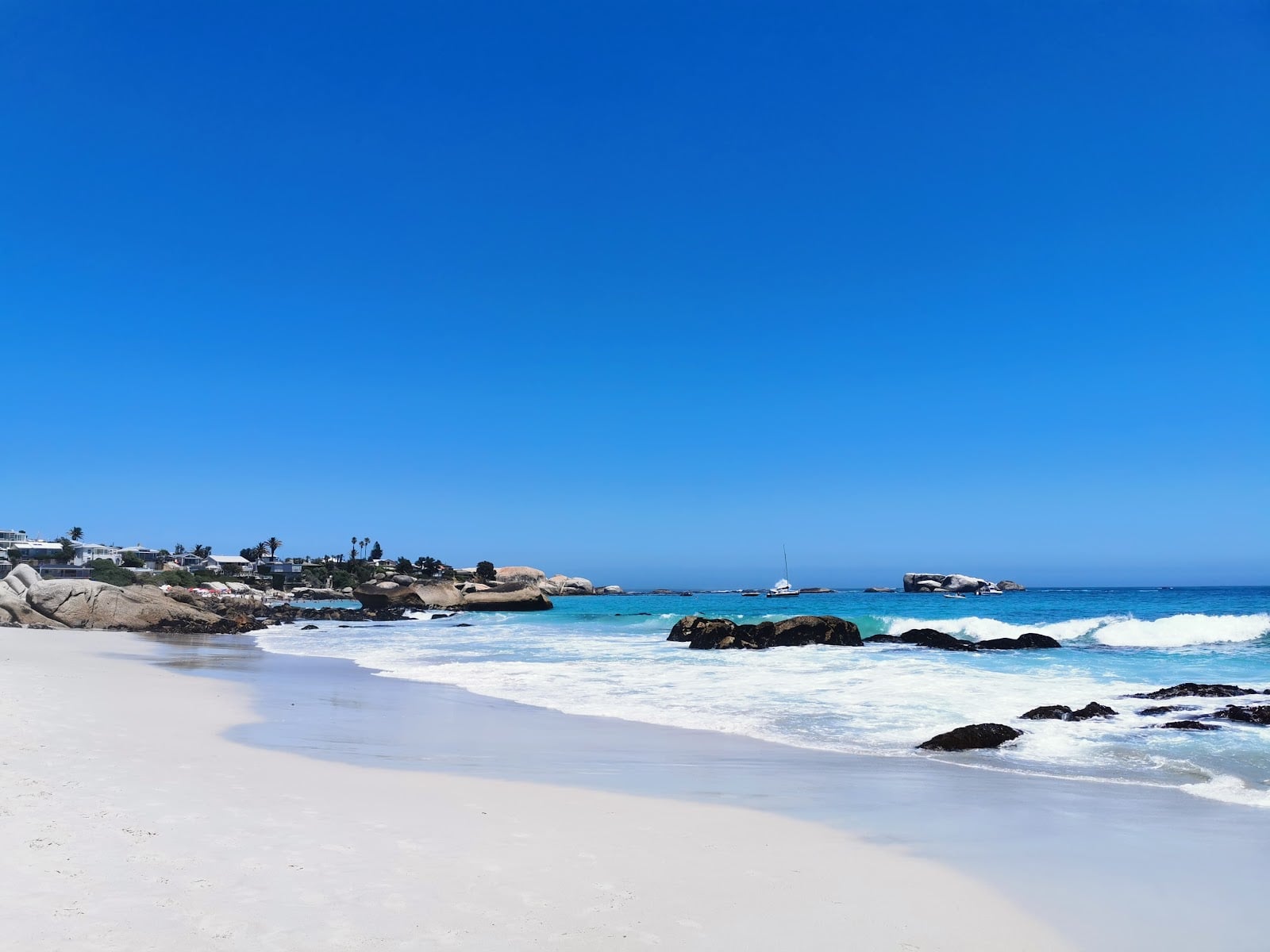
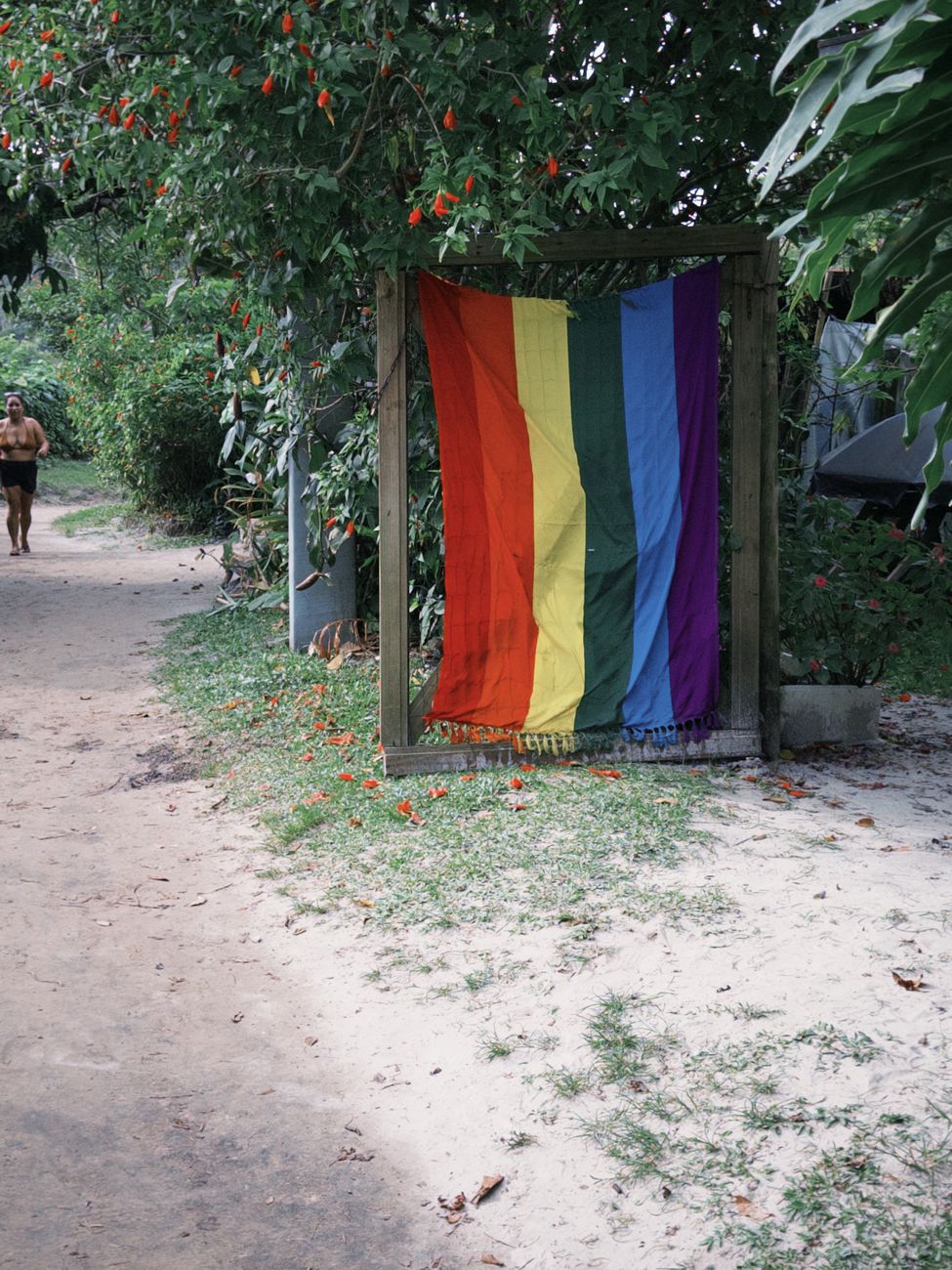
Sandy Bay Beach in Cape Town is well known as an exclusive spot within the gay community. Surrounded by mountains it offers a sense of privacy and seclusion that attracts visitors.
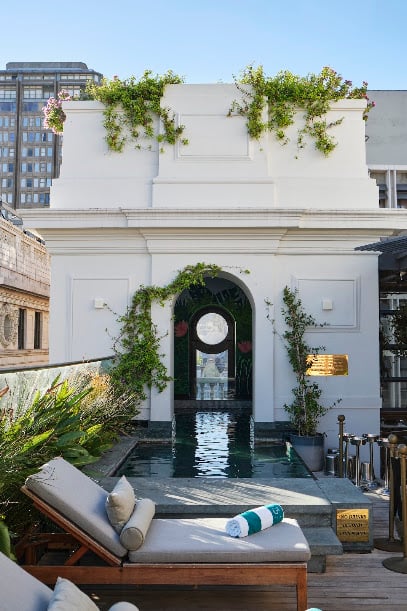
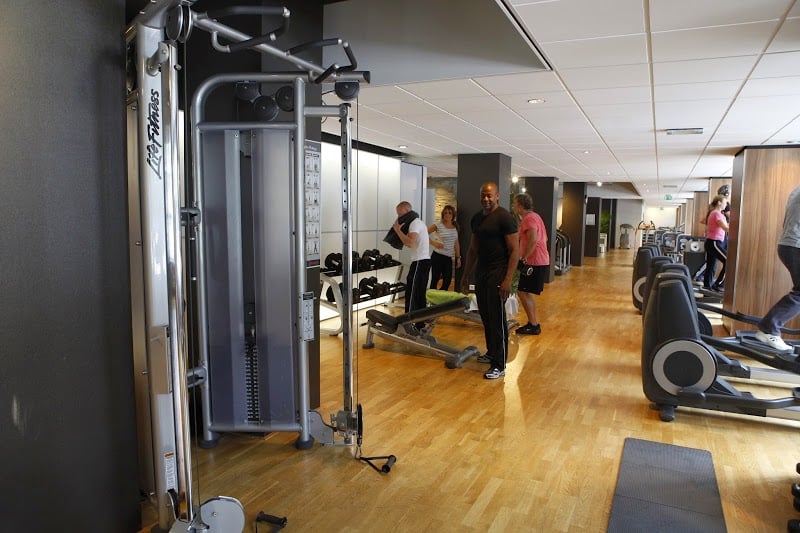
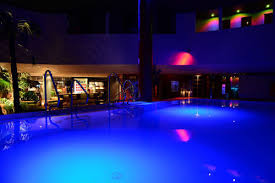
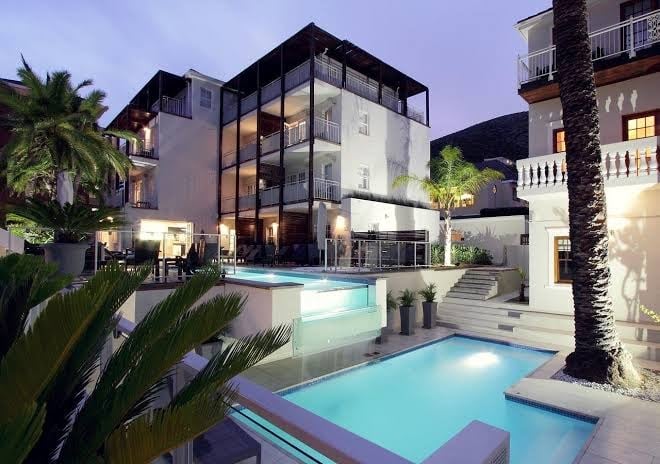
Located in Sea Point in Cape Town, The Glen Boutique Hotel & Spa offers luxurious rooms and free Wi-Fi. The hotel features an outdoor pool with sun loungers and spa facilities.
South Africa's first gay village — Georgian cottages and cobbled lanes turned queer quarter in the 1990s, with the rainbow crosswalk where Cape Town Pride sets off.
Cape Town is Africa’s most LGBTQ+-friendly city. In 1996, South Africa’s Constitution became the first in the world to ban discrimination based on sexual orientation. The country legalized same-sex marriage in 2006, the fifth country to do so. Cape Town’s gay scene is the continent's most established, with a long-running Pride and a year-round gay-tourism economy.
The gay scene centers on De Waterkant, the historic neighborhood between the V&A Waterfront and the city center. Most of the gay bars, clubs, hotels, and shops sit within a few blocks of Somerset Road.
De Waterkant — the gay village
De Waterkant is a historic neighborhood of cobblestone streets and restored 19th-century cottages. It was a working-class quarter for much of the 20th century. Gentrification in the 2000s and 2010s brought the gay scene. Narrow streets here are packed with bars, restaurants, gay-owned guesthouses, and creative businesses.
You can walk to De Waterkant from the V&A Waterfront (the tourist harbor) in 10 minutes, or from the city center in 5 minutes. The area sits beneath Signal Hill and looks back at Table Mountain.
Bars and clubs
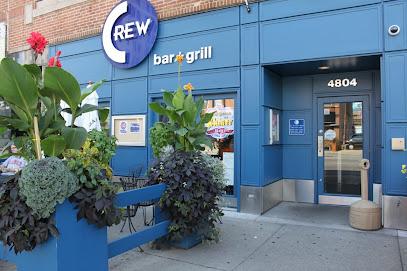
Crew Bar in De Waterkant (Napier Street) is the long-running flagship: multi-level, drag shows, a dance floor, and the friendliest tourist welcome in the village. Pink Candy (the former Pink Panther, on Strand Street) is currently the most popular gay dance club. Zer021 Social Club — which moved from De Waterkant to Canterbury Street in the East City — brings karaoke, drag and DJ nights. Cafe Manhattan on Waterkant Street, open since 1994, is one of Africa's first LGBTQ+ bar-kitchens and a reliable daytime-to-late anchor.
Beaulah Bar on Somerset Road is the go-to spot for lesbians and women, with regular drag brunches. Beefcakes is a camp burger-and-drag restaurant-bar institution (now at Sovereign Quay, Green Point). Navigaytion adds a late-night house-music option in the village.
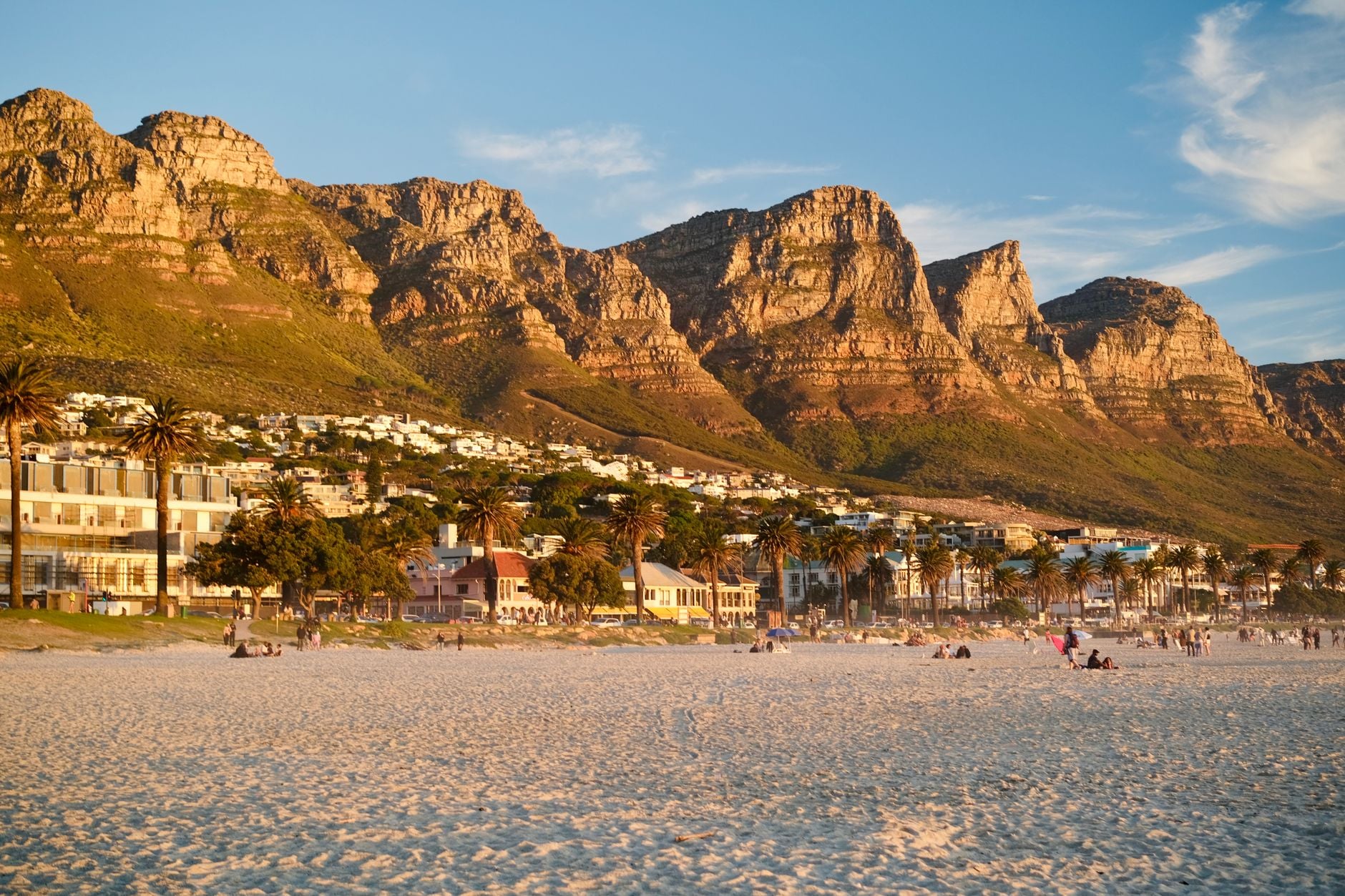
Cape Town nightlife is less intense than in European cities, but it stretches through the summer (December-February) with beach parties and rooftop events. The Atlantic seaboard nightlife at Sea Point and Camps Bay is gay-friendly, but not exclusively so.
Cape Town Pride happens in late February or early March, during South African autumn. The Pride Parade through De Waterkant and the city center is the main event, followed by a festival at Green Point Park. It draws 20,000-40,000 people.
Cape Town Pride is smaller than European Prides, but it has a distinct political weight. That's thanks to South Africa's constitutional protections and the legacy of the post-apartheid LGBTQ+ rights movement.
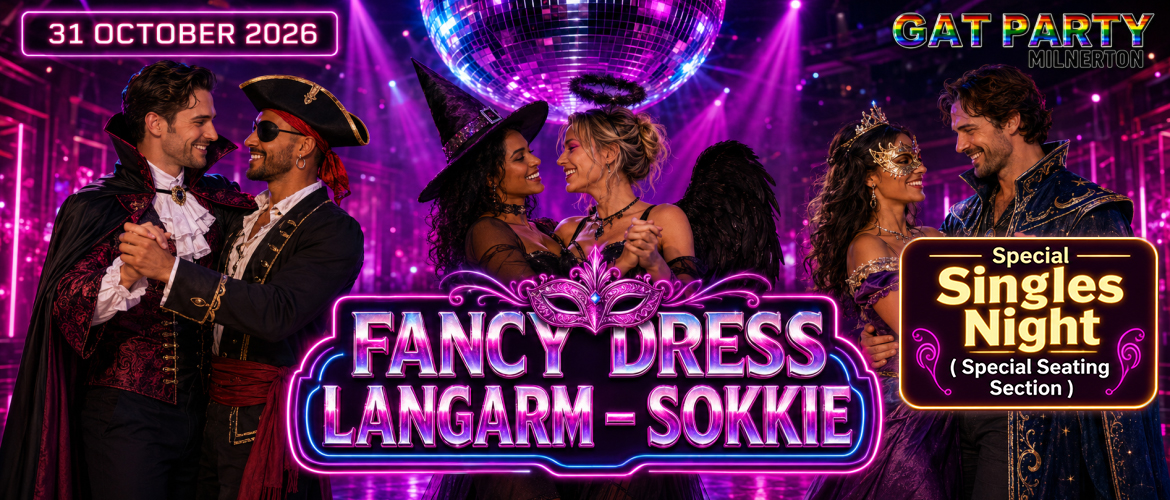
Beyond Pride, MCQP (Mother City Queer Project) in December is a legendary themed costume mega-party. It's one of Africa's longest-running gay events, drawing international visitors for an annually-themed night of costumes and dancing.
Beaches
Cape Town's beaches are famous. Clifton 3rd Beach is the gay-popular Atlantic seaboard beach — soft white sand, beautiful but cold water, and a crowd of gay men through summer. Sandy Bay, further south, is the more remote nudist alternative.
The False Bay side (Muizenberg, Fish Hoek) has warmer water but isn't as gay-popular.
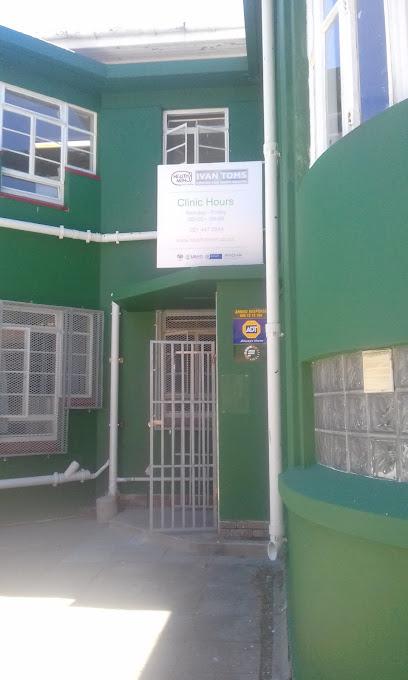
Cape Town's gay bathhouse scene has thinned. The Hothouse, De Waterkant's steam-and-bar institution, closed in 2021 after more than 20 years. The main remaining venue is Shaft Cruise Zone in Observatory (Lower Main Road), a gay cruise club with a bar, steam room, cabins and a darkroom, open daily. For sexual-health services the Ivan Toms Centre / Health4Men runs HIV testing and PrEP clinics.
Stay in De Waterkant for the gay-village experience. It has many small gay-owned and gay-friendly guesthouses and boutique hotels. The Cape Cadogan, O on Kloof, and several smaller B&Bs explicitly market to gay travelers.
For broader Cape Town, the V&A Waterfront (One&Only, Cape Grace) is an upmarket alternative. Choose Camps Bay for a beach focus, or City Bowl for downtown sightseeing.
Cape Town is a good value compared with European or American capitals. Luxury hotels run €150-300/night, and budget options cost far less.
Cape Town's food scene reflects South African cuisine, with Cape Malay, Afrikaans, indigenous, and international influences. The Test Kitchen (when open) and La Colombe are often ranked among the world's top restaurants. Also try The Pot Luck Club, Chef's Warehouse, and dozens of others. Head to V&A Food Market for a daytime food hall.
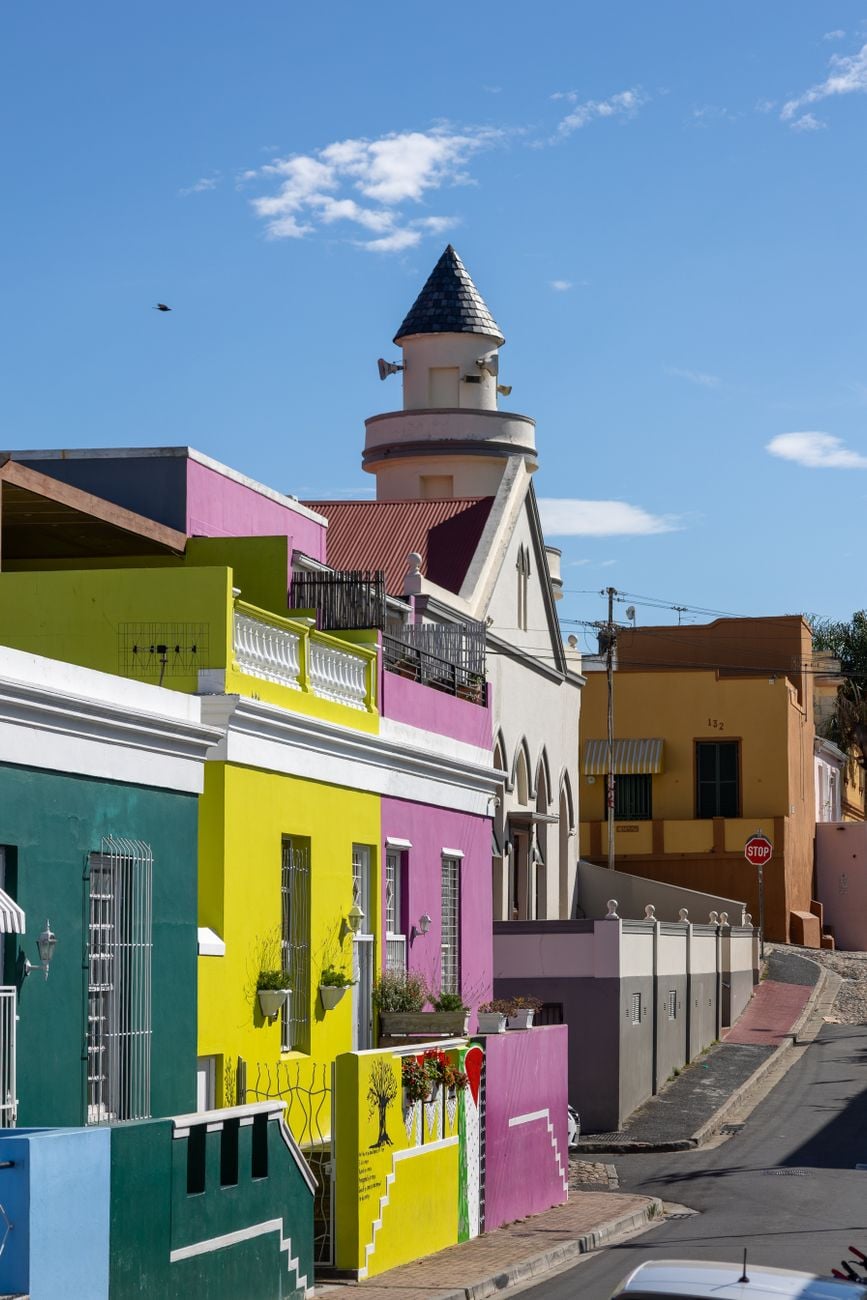
Beyond food: Table Mountain (take the cable car or hike), Cape Point, Robben Island (Nelson Mandela's prison), the District Six Museum, Bo-Kaap (the colorful Cape Malay neighborhood), and the Kirstenbosch Botanical Gardens.
The Cape Winelands (Stellenbosch, Franschhoek, Paarl — 45 minutes to 1.5 hours away) are world-class wine regions and a must-do day trip. Go to Hermanus (2 hours) for whale watching (June-November). Visit Cape Point and the Cape of Good Hope (1.5 hours).
For safari, Aquila Game Reserve is a day trip from Cape Town, but it's not a substitute for a proper Kruger or Sabi Sand safari.
Safety and practicalities
Cape Town has South Africa's contradictions. It's among the most LGBTQ+-friendly destinations legally, but crime is a concern. In tourist neighborhoods (De Waterkant, V&A, Camps Bay, City Bowl), safety is generally good. Standard urban precautions apply more seriously than in most European cities: don't walk alone after dark, use Uber rather than walking longer distances, and don't display valuables.
The city's beauty is genuine, but post-apartheid inequality remains stark. Being aware of this context is part of visiting responsibly.
When to visit
Cape Town's seasons are reversed from the Northern Hemisphere. December–February is summer — peak season, beach weather, and the Mother City Queer Project (December). Go late February to early March for Cape Town Pride. March–April and October–November are shoulder seasons with good weather and lower prices. June–August is winter — rainy, cool, but the indoor scene is active and prices are lowest.
Frequently asked questions
Yes — Cape Town has an active LGBTQ+ scene with bars, clubs and Pride events. Browse the venues on this page for the most-reviewed spots, and check the calendar for upcoming events.
We list the top-reviewed gay bars and clubs in Cape Town on this page. Filter by category and rating to find dance clubs, cocktail bars, cruise bars and more — every venue is verified by the GayOut community.
Pride season (typically June–July in the northern hemisphere) is the most lively time, with parades and parties. Spring and early autumn are also great for sightseeing without summer crowds. Check the events calendar above for specific dates.
Yes — see the "Where to stay in Cape Town" map above for hotels with current prices, including LGBTQ+ welcoming properties recommended by our community.
Cape Town is generally safe for LGBTQ+ visitors in tourist and central areas. Standard travel-safety advice applies. Check the country page for an LGBTQ+ rights overview specific to South Africa.
Your privacy choices.
We use cookies to run GayOut and, with your consent, measure usage. Learn more
Your privacy choices
We use cookies to keep GayOut running, remember your preferences, and (with your permission) measure how the site is used. You can accept all, reject all, or pick what you allow. Learn more
Essential
Required for sign-in, fraud prevention, CSRF protection and remembering your language. Cannot be disabled.
Always on
Remembers your favourites, dark mode and other interface preferences across visits.
Helps us understand which pages people visit (Google Analytics, server-side stats) so we can improve.
Used by campaign tracking pixels. None are active right now, reserved for future use.
Install GayOut
Add GayOut to your home screen for faster access, offline favourites, and Pride alerts.










 Gay Bars & Clubs
Featured
(232)
Gay Bars & Clubs
Featured
(232)