Marriage equality since Obergefell v. Hodges (26 June 2015). The Respect for Marriage Act (December 2022) provides a congressional floor, requiring federal recognition of all valid same-sex and interracial marriages regardless of future Supreme Court rulings. Bostock v. Clayton County (2020) held that Title VII of the Civil Rights Act prohibits employment discrimination on the basis of sexual orientation and gender identity. No comprehensive federal anti-discrimination law in housing or public…
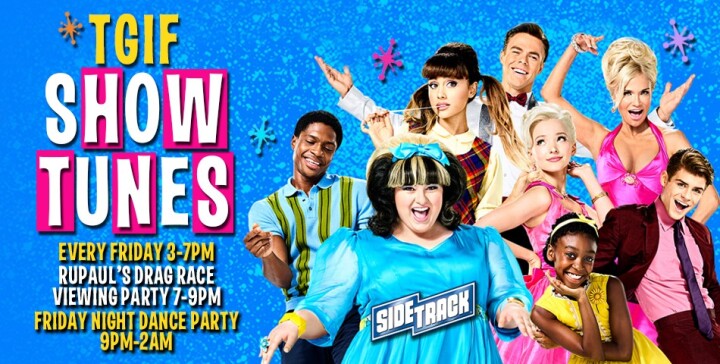
Boystown's premier video bar — multiple themed rooms, wall-to-wall screens, and the spiritual epicentre of Chicago Pride week. The most iconic gay bar on Halsted Street since 1982.
Long-running inclusive queer bar in Uptown — art-covered walls, diverse crowd, welcoming atmosphere. One of Chicago's most beloved LGBTQ+ neighbourhood institutions since 1986.
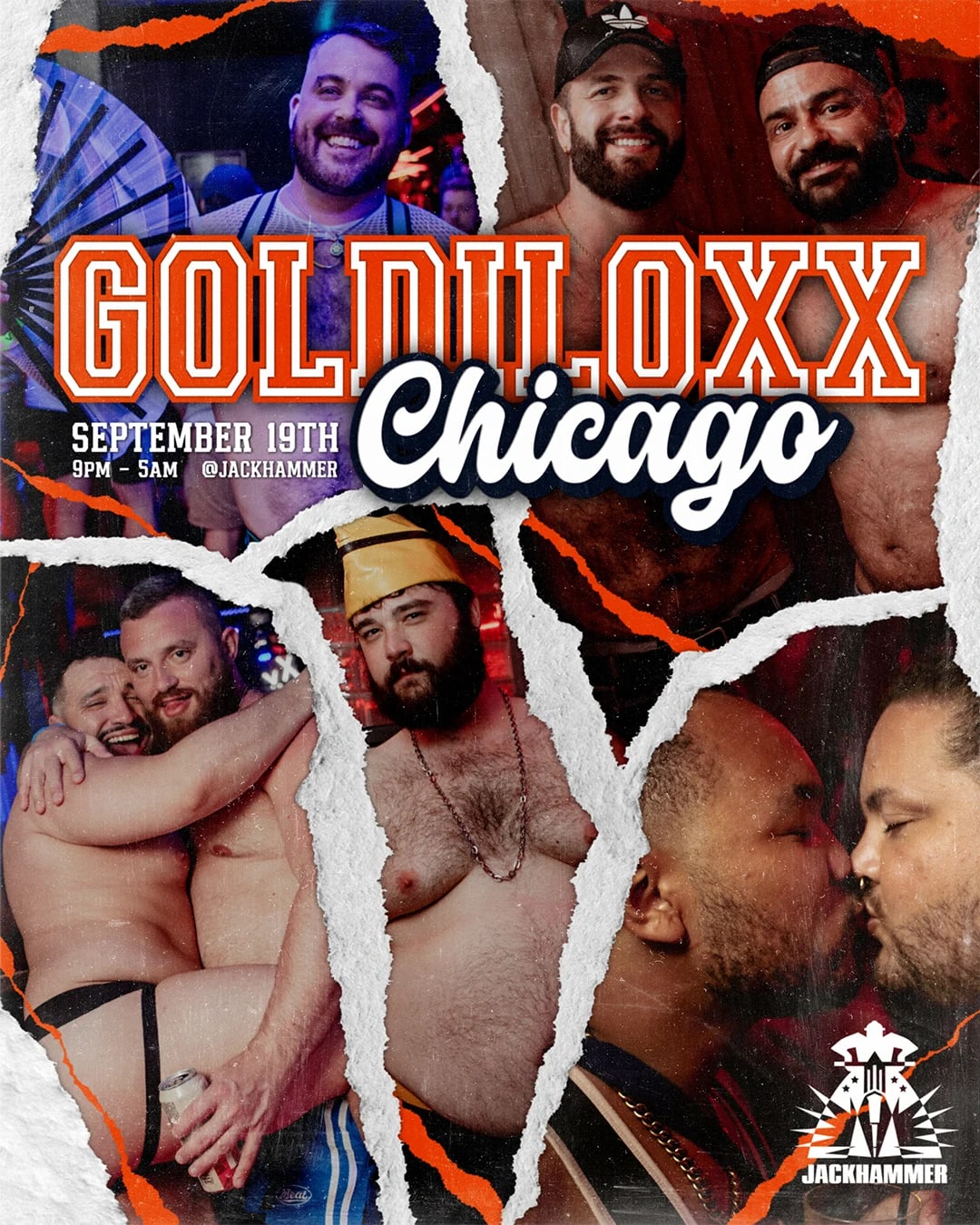
Neighborhood bar with a Levis feel Rogers Park gay bar catering to leather and bear scene, but not exclusively. Dancing and go-go weekends, live entertainment nights, nightly drink specials.
Hip lounge with mixed crowd Minibar Ultra Lounge & Cafe draws an upwardly mobile, somewhat pretty-boy crowd. The bartenders are all hot and usually take off their shirts as the bar fills up.
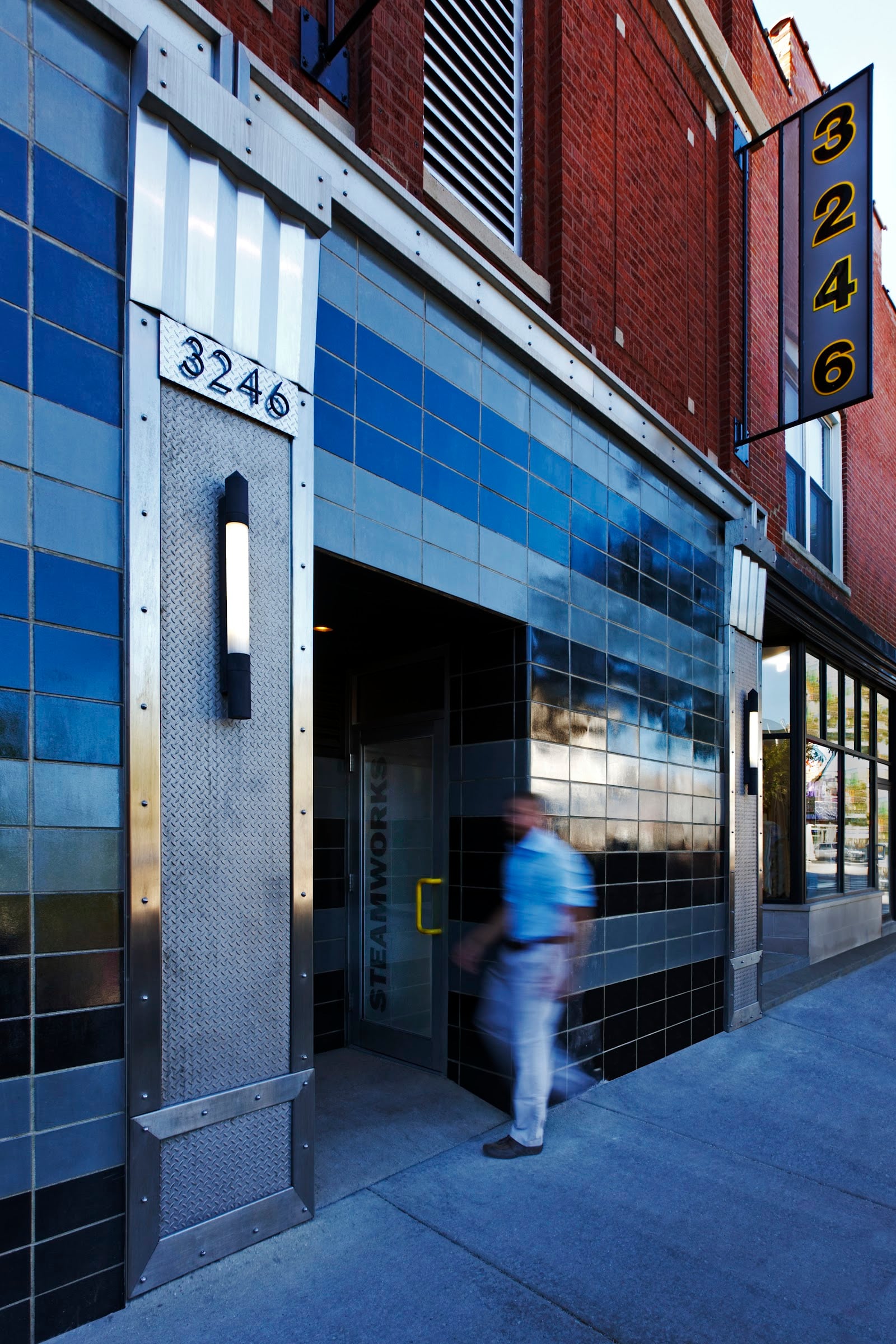
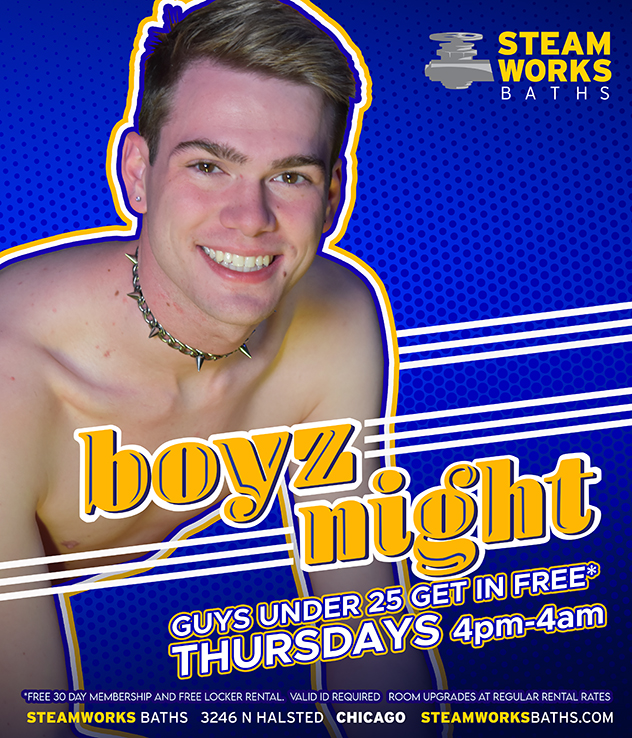
Chicago's premier gay bathhouse, right on Halsted Street in Boystown — part of the international Steamworks chain. Pool, steam rooms, dry sauna, darkrooms, private cabins, and a gym. Open 24 hours.
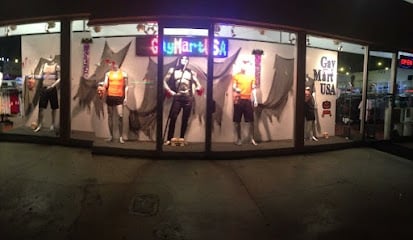
All gay all day If you're in need of anything with rainbows, sex toys or good ol' gay kitsch, you can find it at Gay Mart. And if you can't, then you don't need it.
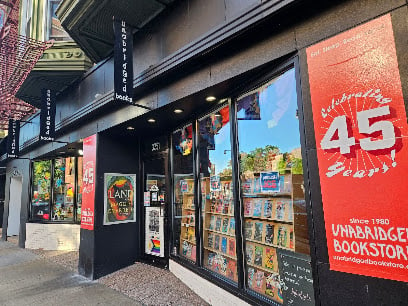
Best gay bookshop in Chicago Serving Boys-town since 1980, this shop has some of the best gay titles, including porn and photo books, as well as mainstream selections, a great magazine rack and…
Gorgeous pieces and furniture for your home This unique housewares shop stocks fabulous pieces, many exclusive to the store. Furniture, wine rack seven prescription eye-ware.
Indie music shop featuring hot new releases If you have a need for a gay music fix, you can find it here. Kylie, Madonna, Kelly, Britney and all the dance compilations you could wish for are all here.
Kimpton's flagship Chicago hotel in a restored 1914 building in the Loop — gay-welcoming by design, with the brand's signature inclusive culture. A luxury base close to everything Chicago offers.
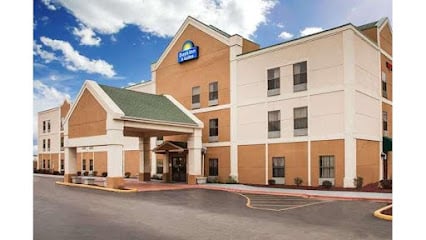
Less expensive alternative to down-town hotels Days Inn's budget offerings give travellers an option for lodging closer to Boys-town, Lincoln Park and Wrigleyville.
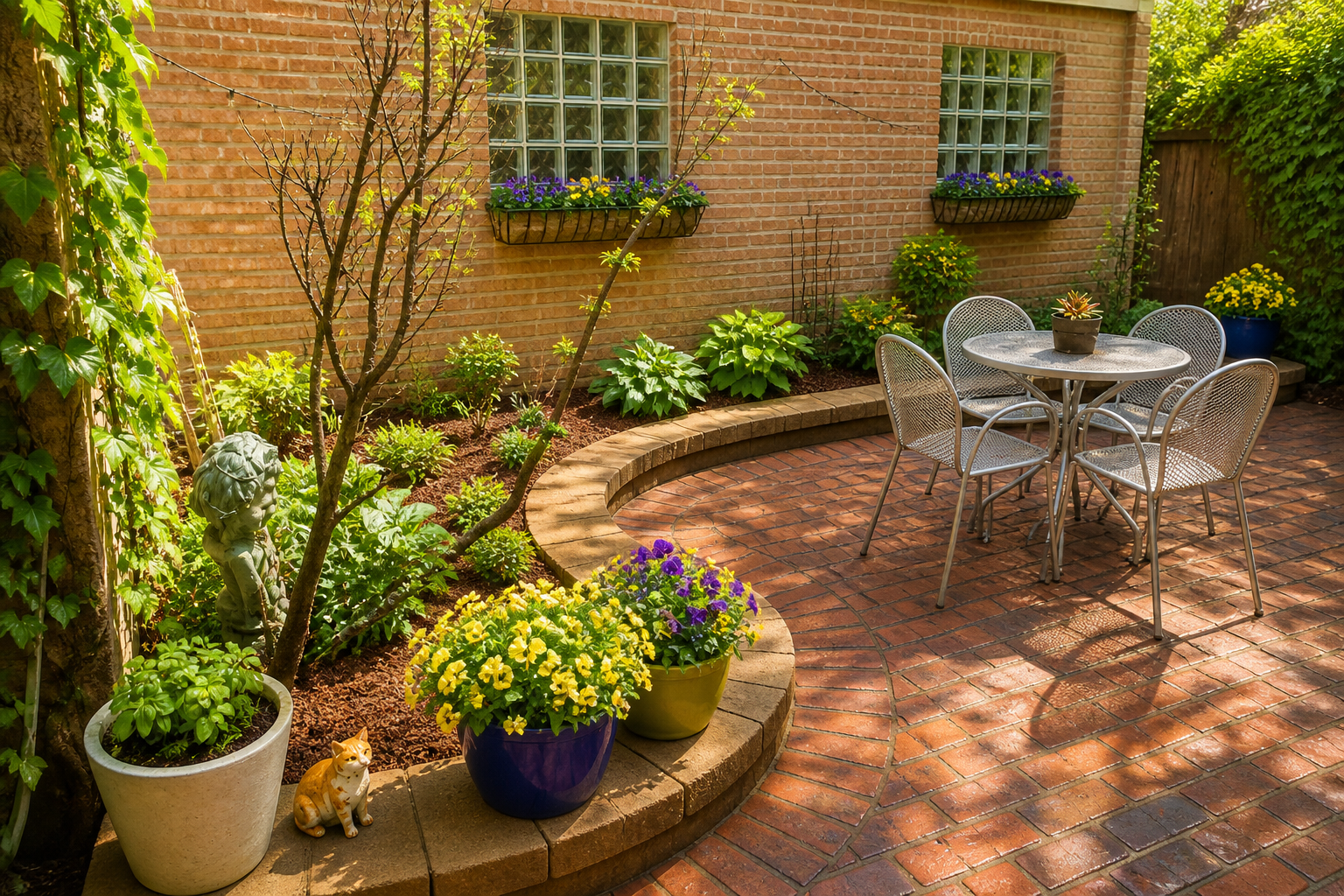
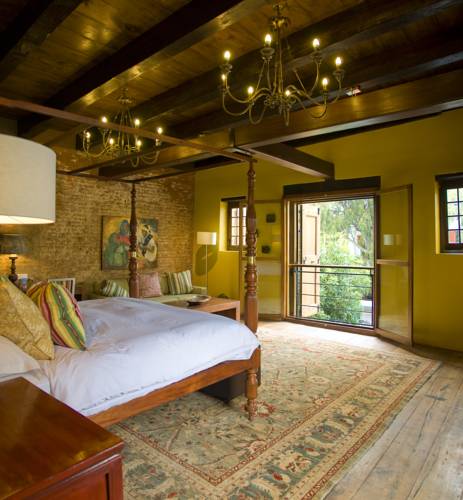
Not your grandma's B&B This LGBT-oriented place is so hip you might forget it's a B&B. It features modern, stylish rooms and a fabulous location near gay nightlife and Hollywood Beach.
Mainstream down-town hotel All the amenities you would expect, and not too far from the gay centre in Boys town. The rooms are well-designed with modern styling.
Great juicy burgers, margaritas, cruising fun The Chicago outlet of the chain features fun nights such as bombs away!, lipstick club and ham-bingo. The Mimosa Sunday brunch is popular.
Great date restaurant on the edge of Boys town This intimate and cozy Italian restaurant serves delicious classic Italian recipes in a cozy atmosphere.
Great location and great food A Boys town favourite, Jack's is popular any-time of day but especially brunch. There are also wonderful food and drink specials.
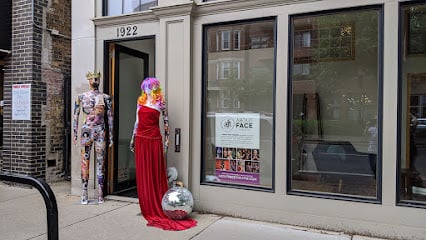
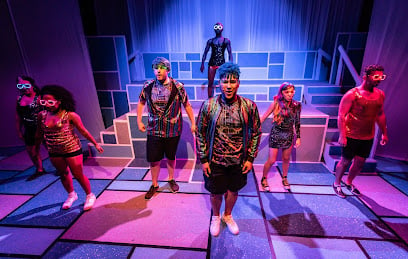
Premier LGBT theatre company A national leader in the development of new work exploring gender and sexual identity since 1995, About Face has premiered more than 30 new plays by writers and directors…
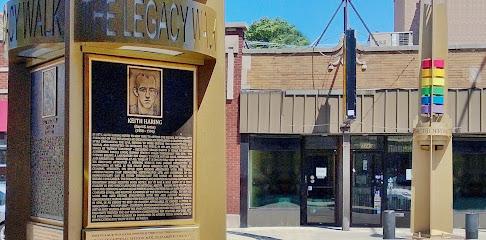
Outdoor LGBT Historic Museum Walk Spanning one-half mile of the Northalsted Corridor in Chicago's"Boystown", the Legacy Walk captures the lives of notable LGBT people throughout history.
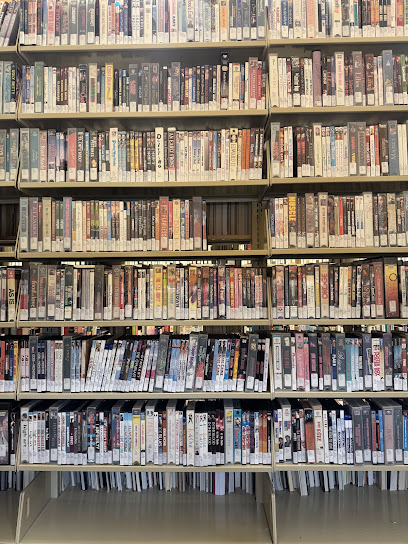
The Midwest's largest LGBT library Gerber/Hart is an invaluable resource in the Midwest's LGBT community. The collection documents various resources chronicling the LGBT experience in this country.
Founded in 1985 Collaborates with community organizations to develop and improve HIV/AIDS services; fund and coordinate prevention, care, and advocacy projects; and champion effective, compassionate…
Promotes gay-friendly legislation Equality Illinois's agenda includes employment, relationship recognition, family matters, anti-violence and hate crimes, transgender issues, and safe schools.
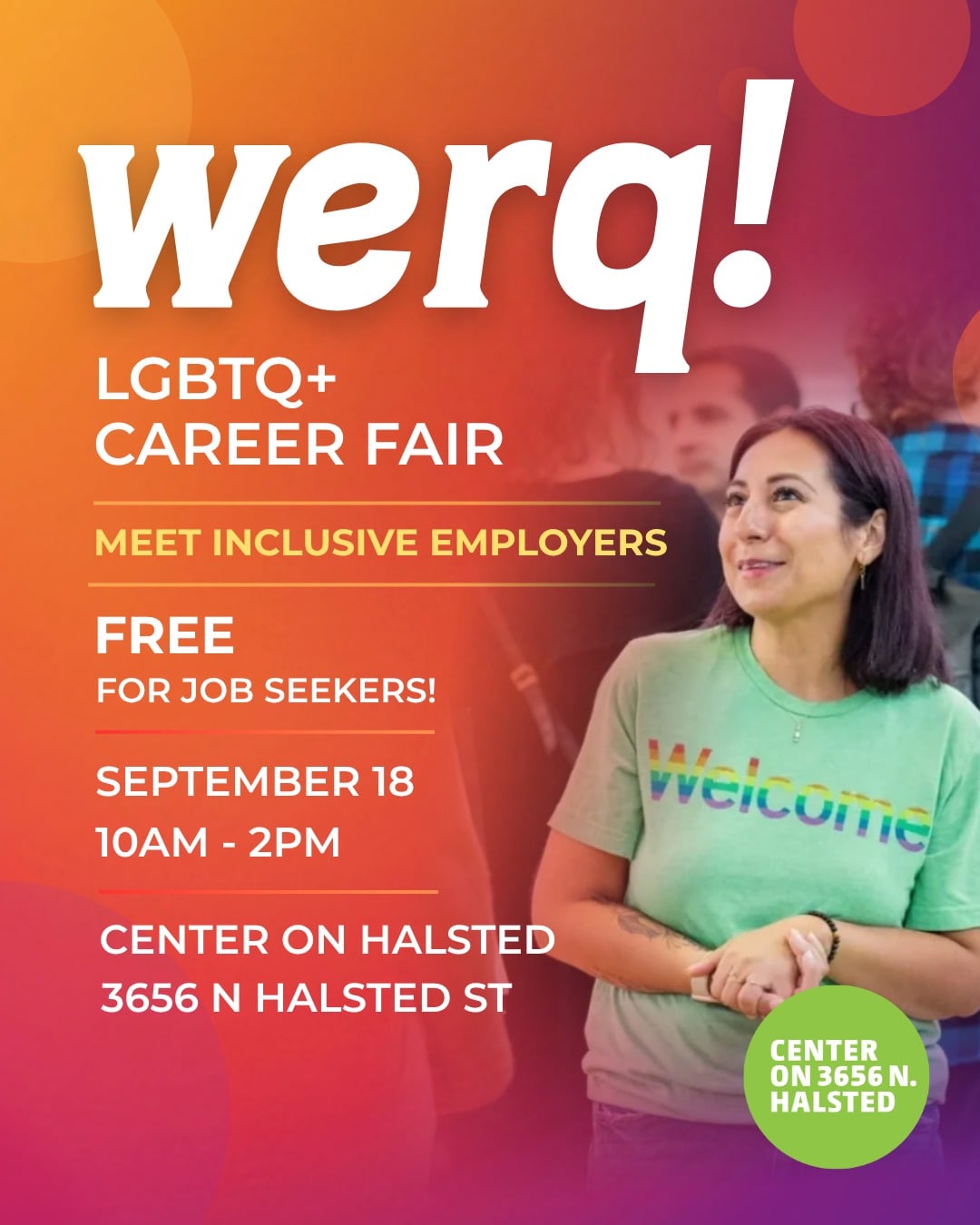
The largest LGBTQ+ community centre in the Midwest — 40,000 sq ft of social services, programming, theatre, gym, and community space on Halsted Street.
The Old Town rowhouse where Henry Gerber founded the Society for Human Rights on 10 December 1924 — the first documented gay rights organisation in the United States, and a National Historic Landmark…
The 20 art-deco steel pylons the City of Chicago installed on Halsted Street in 1998 — the first municipal recognition of a gay neighbourhood anywhere in the US.
Chicago's LGBTQ+ community is one of the oldest and most established in the United States, with a history dating back to the 1970s. This legacy includes pioneering bars, significant activism during the AIDS crisis, and a dynamic cultural landscape.
Neighborhoods
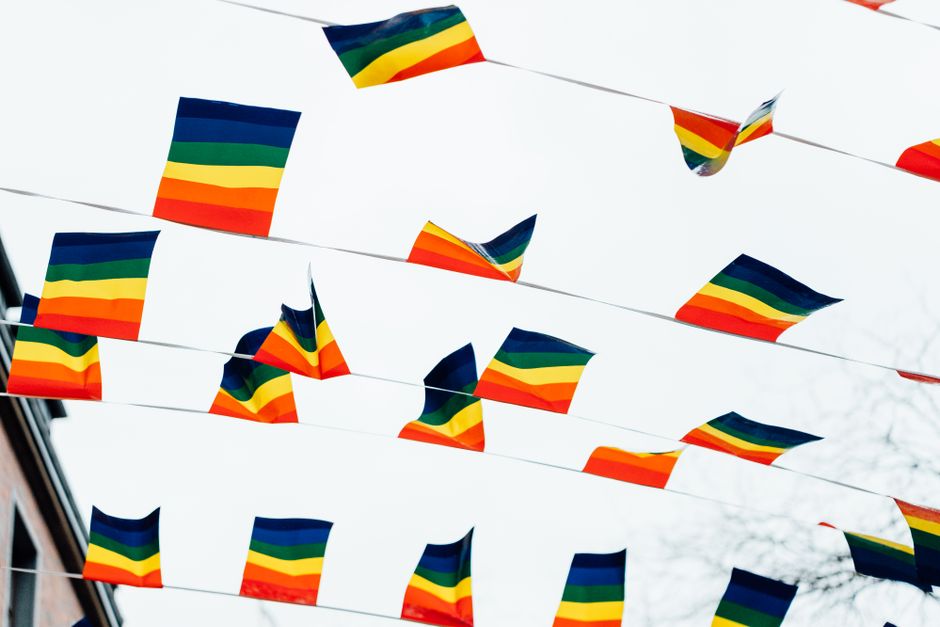
Northalsted - long known as Boystown, and officially renamed in 2020 - runs along Halsted Street between Belmont and Grace on the North Side and is the central hub of Chicago's LGBTQ+ scene, marked by the Legacy Walk's rainbow pylons. It features a high concentration of bars, restaurants, and shops, and its stretch of Halsted anchors the city's Pride parade route. Access is easiest via the Belmont Red Line, with additional transit options serving the area.
Andersonville, along North Clark Street on the Edgewater-Uptown border, is Chicago's second gay hub and the counterweight to Northalsted's dense strip. Historically women- and lesbian-centered and now strongly bear-friendly, it gathers queer-owned bars, bookstores, and cafes into a low-key, residential neighborhood; Edgewater, Uptown, and Rogers Park round out the north-side scene, with Rogers Park holding the leather-leaning far-north bars.
Lakeview, bordering Northalsted to the east and south, has seen growing popularity among LGBTQ+ residents and visitors. This neighborhood offers lakefront access, parks, and a mix of establishments catering to the LGBTQ+ community alongside more general venues. Lincoln Park, situated further north, has a diverse population that is notably queer-friendly.
On the West Side, Wicker Park and Logan Square have become popular with younger LGBTQ+ crowds. These areas are known for their independent bars and a thriving queer arts and culture scene, offering a more integrated neighborhood feel.
Downtown Chicago and the Loop host many corporate hotels and mainstream entertainment options, though some LGBTQ+-owned or friendly businesses are also present.
Venues and Nightlife
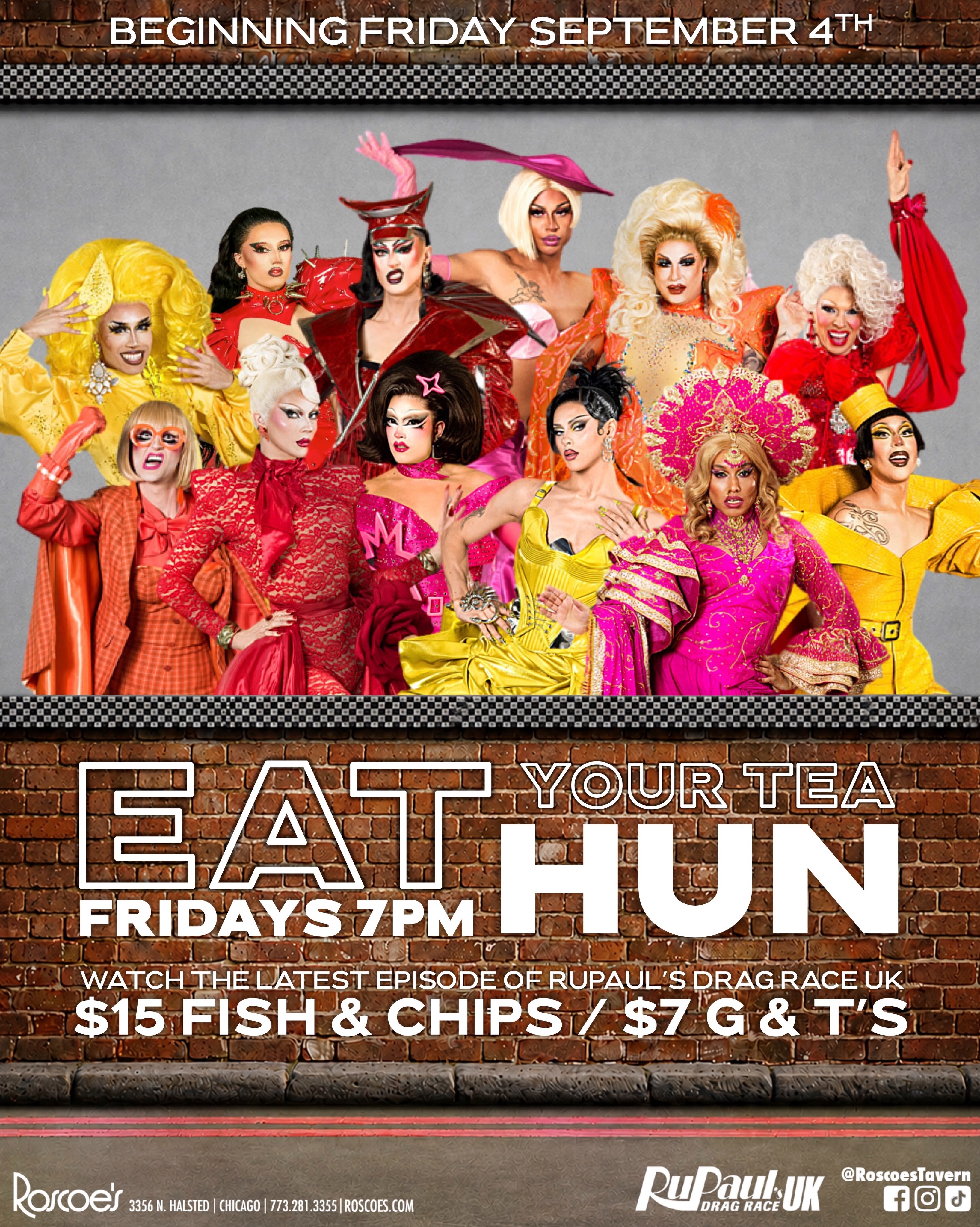
Boystown offers a range of nightlife options, from long-standing establishments to newer venues. Historically, the area has included leather bars, dance clubs, casual bars, and lounges. Roscoe's, a large dance venue and bar complex, is one example of a notable spot.
Beyond Boystown, LGBTQ+-friendly venues are found throughout the city, particularly in Logan Square and Wicker Park. These areas often feature cocktail bars, smaller clubs, and spaces with an artistic focus.
Chicago's bathhouse scene exists but is generally less prominent than in some other major cities.
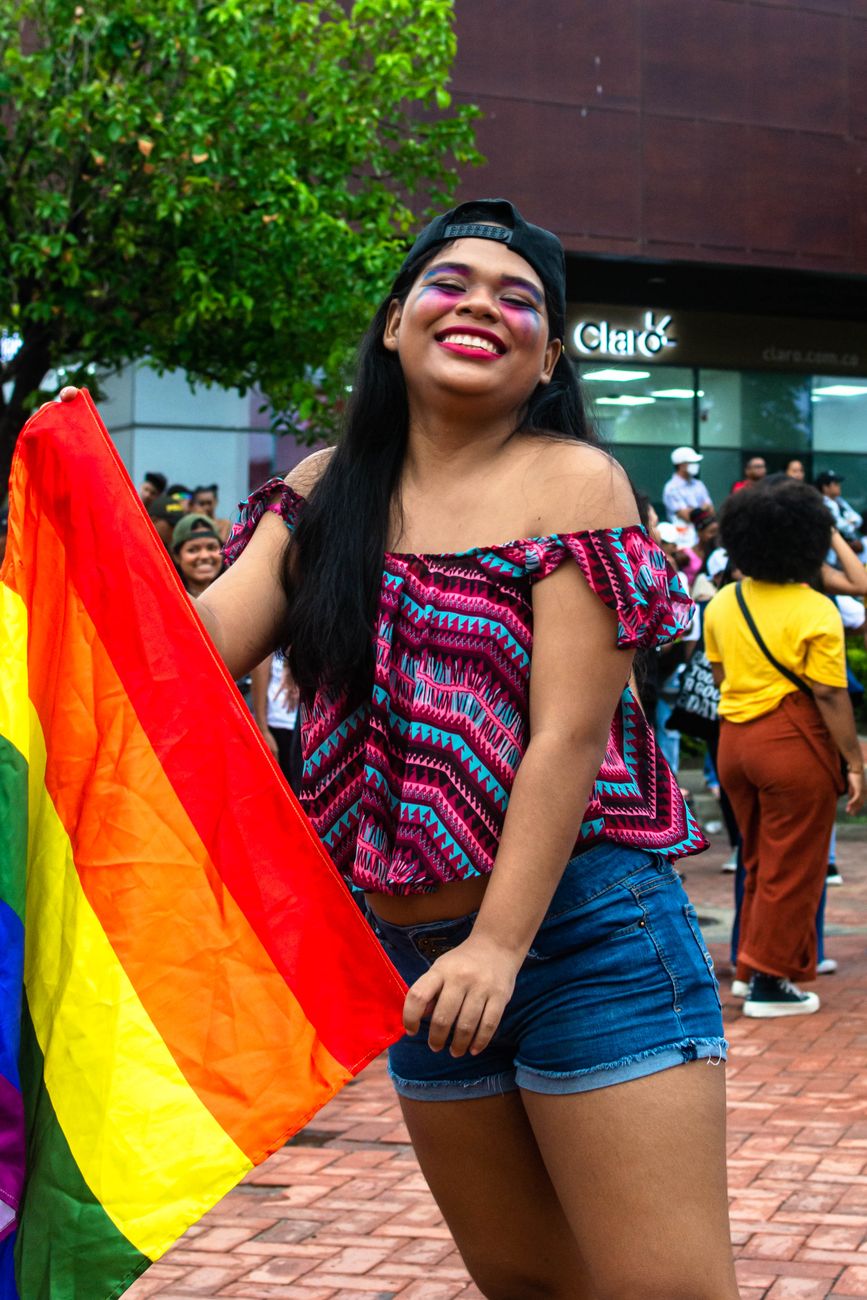
Chicago Pride centers on the last Sunday of June. The Chicago Pride Parade steps off in Uptown near Sheridan and Broadway, then winds south through Northalsted and Lakeview along Broadway, Halsted, Belmont, and Diversey, drawing hundreds of thousands. The Chicago Pride Fest street festival on Halsted runs the weekend before, and each August the neighborhood throws Northalsted Market Days, one of the Midwest's largest street festivals.
International Mr. Leather (IML) takes place in May, focusing on the leather community with competitions and related social events.
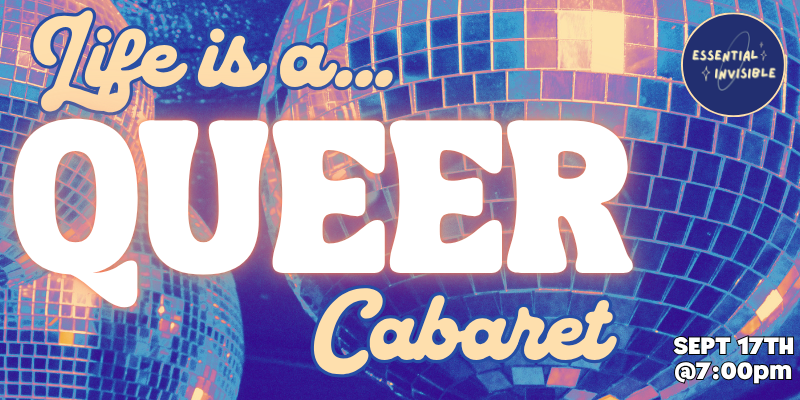
Throughout the year, Chicago hosts various queer cultural events, theater productions, film screenings, and community gatherings.
Where to Stay
Boystown features several LGBTQ+-friendly and LGBTQ+-owned hotels and bed-and-breakfasts, providing a central location for those wishing to be close to the heart of the scene. Options range in price.
Lakeview and Lincoln Park offer accommodations with proximity to LGBTQ+ nightlife and a broader neighborhood atmosphere. Downtown provides mainstream hotel choices for visitors prioritizing museums and business districts, though nightlife requires travel.
Airbnb and vacation rentals are available in many LGBTQ+-friendly neighborhoods across the city.
Chicago's CTA (Chicago Transit Authority) offers public transportation via bus and train. The Red Line connects north and south through the city, providing direct access to Boystown and Lakeview. Buses serve all neighborhoods. A Ventra card is used for payment and can be obtained at stations or via app.
Taxis, rideshare services (Uber, Lyft), and Divvy Bikes (bike sharing) are also available. Many central Chicago neighborhoods are walkable, and Boystown is particularly pedestrian-friendly.
Food and Culture
Chicago's culinary scene is diverse. LGBTQ+-owned restaurants and welcoming establishments are located throughout the city, with notable concentrations in Boystown, Lakeview, Logan Square, and Wicker Park. The city offers a range of dining experiences, from fine dining to casual neighborhood spots and various ethnic cuisines.
World-class museums such as the Art Institute of Chicago, Field Museum, and Museum of Science and Industry are major attractions.
Chicago is generally safe for LGBTQ+ travelers, especially in the discussed neighborhoods. Boystown often has a visible police presence, particularly during events and on weekends. Standard urban safety precautions are advised, such as being aware of your surroundings and using official transportation services. The city has a strong LGBTQ+ community presence and institutional support.
Day Trips
The Michigan dunes and beaches are accessible by Amtrak or car, approximately 45 minutes to 1.5 hours away. Milwaukee, Wisconsin, about 90 minutes north by train or car, has its own LGBTQ+ scene. Indiana Dunes National Park offers natural landscapes and hiking opportunities. Galena, Illinois, a historic town about 2 hours away, is a popular destination for a countryside retreat.
Frequently asked questions
Boystown (Lake View) is Chicago's most recognized gay neighborhood, centered around North Halsted Street. Andersonville, located further north around Clark Street, is a more residential neighborhood with a significant gay population. The West Loop, Pilsen, and Logan Square also have growing LGBTQ+ populations and venues.
Boystown has an extensive bar and club scene with various establishments including leather bars, dance clubs, and lounges. Outside of Boystown, other LGBTQ+-friendly and explicitly gay venues operate throughout the city.
Boystown is the epicenter of Chicago Pride celebrations, which have a history dating back to the 1970s. Specific dates for current Pride events should be checked closer to the time.
Yes, Boystown is home to Chicago's LGBTQ+ community center and various service organizations.
Andersonville offers a quieter alternative with neighborhood bars and a community feel. The West Loop and Pilsen attract younger LGBTQ+ populations with trendy restaurants and bars. Logan Square has a growing LGBTQ+ population and venues known for its arts scene.
Chicago has a distinguished history in LGBTQ+ activism and community building, with an integrated civic life reflected in elected LGBTQ+ politicians. The community is well-organized, politically engaged, and visible throughout the city.
Your privacy choices.
We use cookies to run GayOut and, with your consent, measure usage. Learn more
Your privacy choices
We use cookies to keep GayOut running, remember your preferences, and (with your permission) measure how the site is used. You can accept all, reject all, or pick what you allow. Learn more
Essential
Required for sign-in, fraud prevention, CSRF protection and remembering your language. Cannot be disabled.
Always on
Remembers your favourites, dark mode and other interface preferences across visits.
Helps us understand which pages people visit (Google Analytics, server-side stats) so we can improve.
Used by campaign tracking pixels. None are active right now, reserved for future use.
Install GayOut
Add GayOut to your home screen for faster access, offline favourites, and Pride alerts.















 Gay Bars & Clubs
Featured
(750)
Gay Bars & Clubs
Featured
(750)