

Most Popular Saunas in Sao Paulo
- Details
There's something about Sao Paulo that hits differently when you're queer. Maybe it's the sheer scale of everything – this city sprawls in ways that make other megacities look quaint. Or maybe it's knowing that come June, you'll be standing on Avenida Paulista with three million other people celebrating the world's biggest Pride parade. Either way, the sauna scene here doesn't exist in isolation. It's woven into this massive, complicated, absolutely electric gay universe that never really sleeps.
Thermas Lagoa pretty much defines what people think of when they imagine Brazilian gay saunas, though calling it just a sauna feels wrong. The place sits on Rua Borges Lagoa, and yeah, the street name matches, which visitors always comment on like it's this wild coincidence. Friday nights pack the venue because that's when the shows happen – proper performances with muscle guys who've clearly spent their lives in gyms, doing choreographed routines that blur the line between Vegas showgirl spectacular and something way more explicit. The stage sits surrounded by seating that puts you close enough to see sweat, and behind it there's this glass-walled shower area where the performance continues after the official show ends.
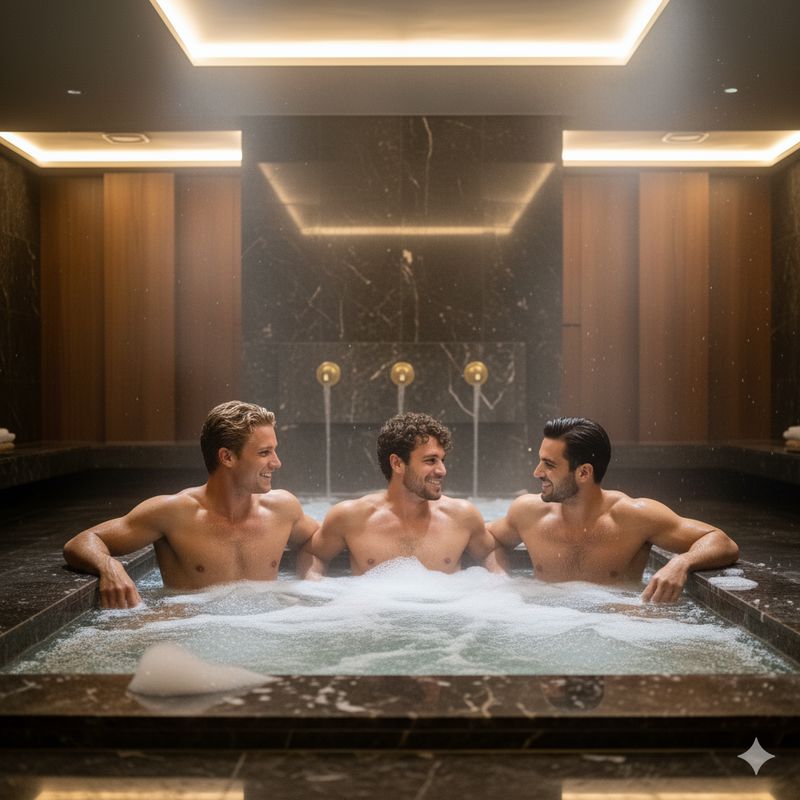
What makes Thermas Lagoa interesting beyond the obvious is how it operates within Brazil's legal framework around sex work. Prostitution isn't illegal here, so the venue doesn't pretend the garotos de programa aren't working. After shows, guys can rent private rooms or just hang in the steam areas, pool, dry sauna. The whole setup draws tourists who've read about it online mixed with locals who've been coming for years. During Pride week, the place becomes almost impossible to navigate – bodies everywhere, languages from every continent, this sense that you're witnessing something that couldn't happen exactly this way anywhere else.
The 269 Chilli Pepper Single Hotel in Largo do Arouche takes a completely different approach. It's massive – 124 single rooms spread across 2,300 square meters, multiple pools, saunas plural. You can book a room for your entire stay in Sao Paulo or grab one for a few hours, and yeah, everyone understands what "a few hours" means in this context. The Largo do Arouche location matters because that neighborhood functions as Sao Paulo's grittier gay district. Not as polished as Frei Caneca, more edge, more bears and daddies, more leather bars nearby. The hotel itself feels like you could genuinely get lost inside it – hallways that turn and twist, different levels, cruising spaces that branch off into dark corners and private areas.
During Pride season, Chilli Pepper becomes this temporary home base for groups of guys who descend on the city specifically for the parade and associated parties. The place stays open 24/7, which means you can stumble in at 4 AM after clubbing at A Lôca or The Week, crash for a couple hours, then head straight to whatever event starts at noon. The convenience of having everything – sleep, shower, sex, socializing – in one building appeals to a certain type of Pride tourist who wants to pack maximum experience into a long weekend.
Wild Thermas Club positions itself as the more spa-oriented option, though that's relative in a scene where "spa-oriented" still includes dark rooms and video areas. Located in Higienópolis, one of Sao Paulo's traditional upscale neighborhoods, the venue occupies this old two-story house that's been renovated but keeps enough vintage architecture that you're aware you're not in some modern glass box. They offer actual services – waxing, massage, grooming – alongside all the usual sauna amenities. The clientele skews slightly older and more professional, guys who maybe want to frame their visit as self-care before admitting they're also there to cruise.
The Higienópolis location keeps Wild Thermas somewhat separate from the concentrated gay districts, which works for people who prefer discretion or just want variety from the Frei Caneca scene. During Pride, when the entire city feels like it's turned rainbow, this kind of geographic diversity becomes valuable. You can spend your afternoon at the parade on Paulista, hit Wild Thermas early evening, then make your way over to wherever the circuit parties are happening that night. The city's metro system actually makes this bouncing around easier than you'd expect in a place this enormous.
Eagle São Paulo brings
New York leather bar energy to Consolação. It's part of the international Eagle chain, so if you've been to the one in Amsterdam or San Francisco, you know the aesthetic – darker, heavier on the fetish gear, designed for guys into BDSM and kink. The Sao Paulo location opened relatively recently and carved out its niche quickly. Two floors, bar downstairs, play spaces upstairs, regular themed nights that cater specifically to the leather and bear communities. They don't charge cover Monday through Thursday, which encourages regular local traffic beyond just the weekend party crowd.
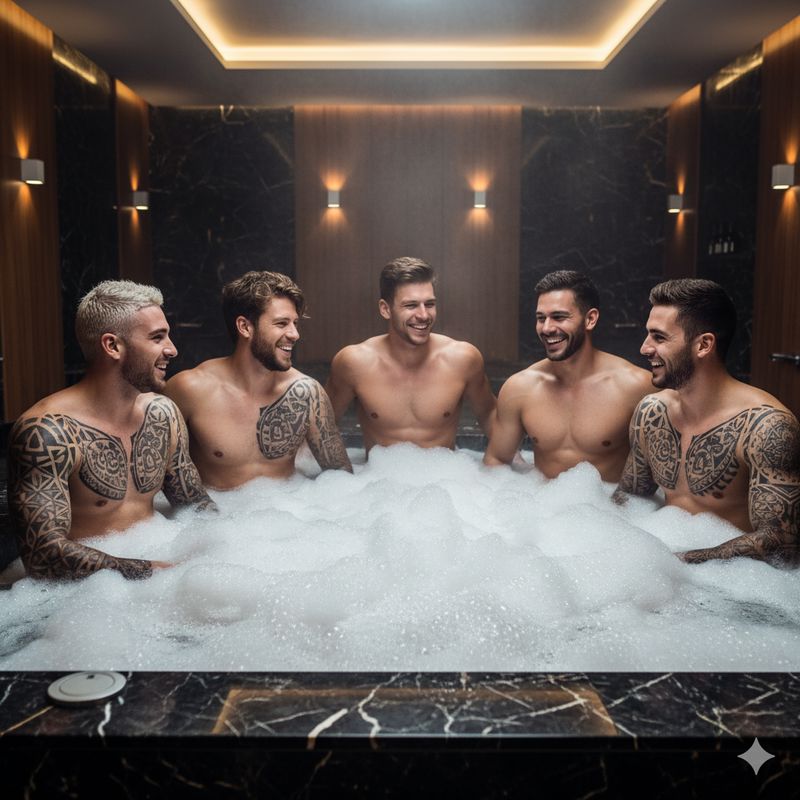
The timing of Eagle's arrival in Sao Paulo's scene coincided with the city's growing circuit party culture. Events like Fiesta BLK and the various Pride week mega-parties often include leather or fetish nights, and Eagle provides both a warm-up space before these events and an after-hours option when the main parties wind down. The location in Consolação puts you walking distance from Frei Caneca and the bulk of gay nightlife, though locals warn that the neighborhood, like much of central Sao Paulo, requires awareness about safety – don't flash phones or wallets, travel in groups late at night, use ride-sharing apps instead of hailing random cabs.
Now, about that Pride parade. Calling it the world's largest isn't marketing hype – Guinness certified it starting in 2006 when attendance hit 2.5 million. Recent years have seen numbers between three and five million people taking over Avenida Paulista on a Sunday in June. The scale genuinely defies description until you're standing there watching float after float roll past, each one equipped with sound systems powerful enough to rattle your chest from half a block away, dancers and drag queens and political activists and corporate sponsors all mixed together in this totally Brazilian combination of carnival energy and serious political messaging.
The 2024 parade carried the theme "Vote with Pride – for a Brazil without lgbtq+phobia," reflecting ongoing tensions in Brazilian politics around lgbtq+Q+ rights. Despite legal progress – same-sex marriage, anti-discrimination laws, transphobia criminalized in 2019 – Brazil still records the world's highest numbers of trans murders. Thirty-one percent of all reported trans killings globally happened in Brazil in 2023, marking the sixteenth consecutive year the country topped that list. So Pride here carries weight beyond just celebration. It's visibility as survival tactic, political organizing disguised as party, community affirming its existence in a place that's simultaneously progressive on paper and dangerous in practice.
The Pride celebrations extend far beyond that single Sunday. Official programming runs five days but things start happening three weeks before the parade weekend. Expect debates about queer rights at cultural centers, plays exploring lgbtq+Q+ themes, street markets selling rainbow everything, dance performances, drag shows scattered across multiple venues. Museums participate – the Museum of Sexual Diversity at República metro station becomes a hub for exhibitions and talks. Even mainstream shopping malls get involved, particularly Shopping Frei Caneca, which locals jokingly call "Gay Caneca" because its clientele is overwhelmingly queer year-round.
Circuit party culture has exploded in Sao Paulo over the past decade. The Bigger Pride Edition brings three nights of massive dance parties from Superfestas, one of the city's leading promoters. They book multiple venues simultaneously – you might start the night at a pool party in Jardins, move to a warehouse event in Pinheiros, finish at sunrise at The Week. TNW HIGH Pride Festival offers five days of non-stop programming. Guapo Fiesta throws its signature party at Sonora Garden, running for twelve hours straight. Xlsior brings the Mykonos party brand to Sao Paulo, attracting international DJs and crowds who follow the global circuit calendar.
The Week deserves its own paragraph because it's genuinely one of Latin America's most famous gay clubs. The venue spans 6,000 square meters with two dance floors, six bars, three lounges, a pool, and a garden. The Babylon party on Fridays and Saturdays references Queer as Folk and has become iconic enough that people plan trips to Sao Paulo specifically to attend. International DJs rotate through regularly. The entrance fee makes it one of the pricier options in the city, and interestingly, women pay more than men – opposite of most clubs globally. The size means you can have radically different experiences in different sections of the same venue, ranging from intense dancing to more relaxed lounge conversation to full-on cruising in darker corners.
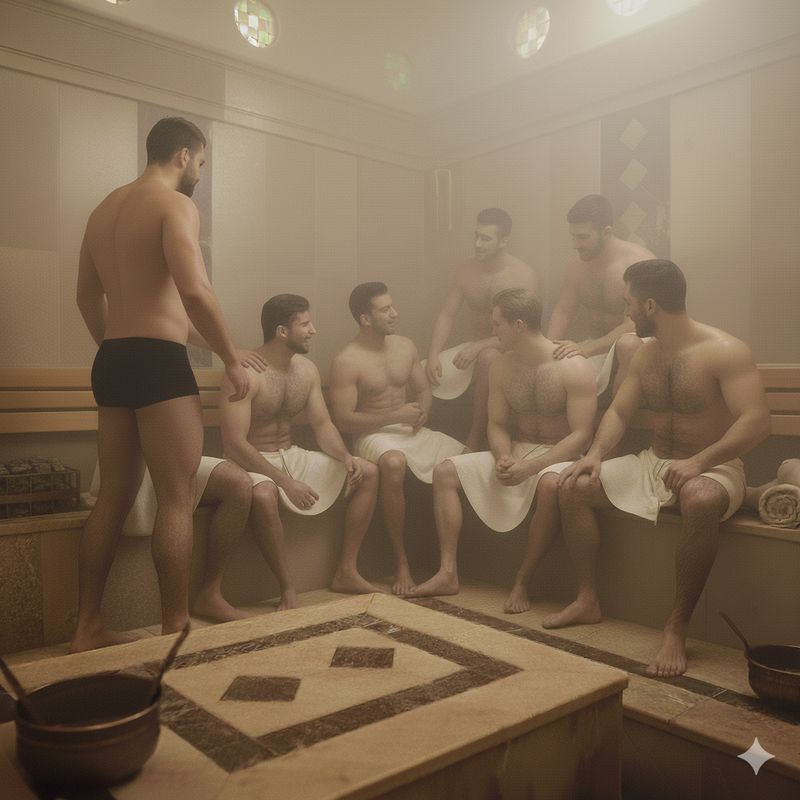
The contrast with A Lôca on Rua Frei Caneca couldn't be sharper. This underground club operates in the heart of "Gay Caneca" and attracts a younger, more mixed crowd. Different nights bring different themes – Tapa na Pantera on Tuesdays leans electronic and pop, Loucuras on Thursdays goes retro with 70s and 80s music, Grind on Sundays mixes rock and pop. Drag queens perform occasionally. The space feels intimate compared to The Week's massive scale, and the vibe skews more artistic, more alternative, less polished in ways that appeal to locals who find the mega-clubs exhausting.
Bubu Lounge Disco in Pinheiros sits somewhere between those extremes. The neighborhood itself is gentrifying rapidly, attracting young professionals and creative types. Bubu plays mostly electronic and retro except Saturdays when a live band does MPB (Brazilian Popular Music). The standout event happens the last Thursday of each month – Bubu Só Para Elas, a women-only party that can draw a thousand people. Finding dedicated lesbian spaces in any city's gay scene can be challenging, so this monthly event matters beyond just being another party.
Blue Space built its reputation on go-go boys, drag queens, and house music – a formula that's kept Saturday nights packed with up to 1,500 people for years. Brazilian transformistas are next-level performers, and Blue Space books the best. The shows combine lip-syncing, choreographed dance, costume changes, audience interaction, all executed with this particular Brazilian flair that manages to be both campy and genuinely artistic. After the shows end, the dance floor stays crowded until well past dawn.
Geography matters in Sao Paulo's gay scene more than in many cities because distances are real. The main concentration sits around Consolação and Frei Caneca near Avenida Paulista – you can walk between most venues in this area within fifteen minutes. Largo do Arouche downtown offers grittier options, more cruise bars, older crowd, cheaper drinks. Pinheiros to the west provides trendier spaces that aren't explicitly gay but welcome queer clientele. Jardins spreads expensive restaurants and upscale clubs across an area popular with the professional class.
During Pride, neighborhood distinctions blur as everyone migrates toward Paulista for the parade. The avenue shuts down completely, transforming into this outdoor mega-party that stretches for miles. Food trucks, merchandise stalls, corporate sponsor booths, activist groups with petition tables, all setting up along the route. The Museum of Art of São Paulo (MASP) serves as the starting point, its iconic architecture providing a photogenic backdrop for group photos. The parade route traditionally ends near Roosevelt Square, though with millions in attendance, the concept of a clear "end" becomes meaningless – people are everywhere, spilling into side streets, occupying every available space.
The economic impact gets real attention from city officials. Tourism boards estimate the 2024 Pride generated close to 500 million reais (about 95 million USD) for Sao Paulo's economy. Hotels book solid months in advance. Restaurants see triple their normal weekend business. Ride-sharing services surge price constantly. Even retail stores remote from gay districts notice increased traffic because visitors fan out across the city between events. This commercial success ensures continued government support – the mayor and various politicians traditionally open the parade, government banks and companies sponsor floats, security presence gets beefed up massively.
That security becomes necessary because the festive atmosphere exists alongside real risk. Sao Paulo's size and density mean crime happens, and tourists make visible targets. The lgbtq+Q+ community faces specific threats – violence against queer people remains disturbingly common even as Pride brings millions into the streets. The contradiction of celebrating in a country where you might be attacked walking home from the celebration creates this underlying tension that never fully disappears.
Post-parade, the night fragments into countless smaller gatherings. Some people head to the organized circuit parties with their hefty cover charges and curated crowds. Others migrate to neighborhood bars where celebrations continue organically. The saunas see massive traffic as guys who've been dancing in the heat for eight hours decide they need to cool off, clean up, and maybe find some more intimate celebration before attempting sleep. Thermas Lagoa stays absolutely packed until the early morning. Chilli Pepper fills every room. Even the more spa-focused venues like Wild Thermas report their busiest nights of the year.
Neighborhoods each develop their own post-Pride character. Frei Caneca becomes one giant street party with bars overflowing onto sidewalks, impromptu sound systems blasting music, people in every variation of costume and undress congregating at the corner of Rua Peixoto Gomide and Rua Frei Caneca to gossip and people-watch. This intersection functions as an unofficial meeting point – "I'll meet you at Frei and Peixoto at midnight" is probably texted a thousand times during Pride weekend.
Largo do Arouche takes a different direction – rougher, more cruisy, attracting guys specifically looking for that energy. Bars like Caneca de Prata (the Silver Mug), one of Sao Paulo's oldest gay establishments dating to the 1960s, fill with bears and mature guys. Bar Fama brings trashy energy with strippers and weekend parties that embrace excess. The neighborhood carries an edge that some find exciting and others find sketchy, reflecting its history as Sao Paulo's original queer district before the scene expanded into fancier areas.
Food culture integrates into the nightlife rhythm more here than in many cities. Brazilians eat late and often, so venues accommodate this. Athenas Restaurante on Rua Augusta serves Greek food with Brazilian twists right in the gayborhood, perfect for people-watching. Calçadão Urbanoide converts a laneway into a street-food court with endless options – not explicitly lgbtq+Q+ but totally welcoming. Post-club meals around 3 or 4 AM are standard. The city's immigrant communities mean you can find everything from Japanese to Middle Eastern food available at hours that would be absurd in other places.
Shopping Frei Caneca deserves mention as this weirdly important gay institution. It's a mall – normal chain stores, food court, cinema – but the clientele is so overwhelmingly queer that it's become a de facto community center. People arrange to meet friends there. Teenagers figuring out their sexuality find it's a safe space to explore. During Pride, the mall management decorates with rainbow everything and hosts events. The cinema sometimes programs lgbtq+Q+ film festivals. It sounds mundane until you're there and realize you're in this thoroughly commercial space that's been wholly claimed by the community.
Parque Augusta near Consolação functions as an outdoor cruising spot, nicely landscaped with paths that provide semi-privacy. During daylight it's just a pleasant green space, but after dark the dynamic shifts to something more explicitly sexual. Cruising culture here operates with different norms than in some countries – more open, less furtive, reflecting Brazil's generally more relaxed attitude toward sexuality. Still, standard safety practices apply: stay aware of surroundings, don't flash valuables, trust instincts about people and situations.
The relationship between Sao Paulo's saunas and the broader circuit party scene creates this feedback loop where each supports the other. The saunas provide recovery space between marathon party sessions. They offer social mixing that feeds into planning where to go next. Guys meet at Thermas Lagoa, discuss which party they're hitting later, coordinate getting there together. The circuit parties send crowds to the saunas afterward, exhausted dancers looking for steam rooms and cold showers. During Pride week, this cycle intensifies with five days of near-constant movement between venues, parties, parades, saunas, repeat.
Club Yacht brings nautical theming to almost absurd levels – sea goddess statues, massive aquariums, bartenders dressed as sailors, everything blue. Wednesdays host the Lux party featuring pop music from the 80s through today. Saturdays go electronic for the Shout party. The entrance fee ranks among the highest in Sao Paulo's gay scene, but the production values justify it for people who want their nightclub experience to feel like an immersive theme park.
The Hot Hot club concept centers on visual spectacle with over 8,000 LED lights creating constantly changing environments. Drinks get served as fruit popsicles, which sounds gimmicky until you're dancing in Brazilian heat and realize it's actually kind of genius. The two-story layout plays mostly electronic music Thursday through Saturday, switching to funk and pop on Wednesdays. Being able to buy entrance tickets online removes the sometimes-awkward door scene that some venues maintain.
Temperature considerations matter way more than visitors from temperate climates anticipate. Sao Paulo sits at about 800 meters elevation, so it's not as oppressive as coastal cities, but June (Pride month) is technically winter in the Southern Hemisphere. "Winter" here means temperatures in the 15-20°C range (60s Fahrenheit), which still feels warm to Europeans or North Americans but cool for Brazilians. The saunas become especially appealing after spending hours on concrete during the parade or dancing in clubs where air conditioning struggles against thousands of bodies.
Accommodations during Pride week require planning months ahead. Hotels near Paulista or in Jardins book first. Budget options fill up. Many visitors opt for apartments rented through short-term platforms, particularly in Consolação or Pinheiros where you get more space and kitchen facilities. The Mercure and Melia properties near Paulista offer solid mid-range choices. Hotel Fasano in Jardins provides luxury for people willing to spend. Ibis Paulista works for budget-conscious travelers who prioritize location over amenities.
The Hotel Chilli complex attached to the sauna creates unique accommodation possibility – basically crashing at a bathhouse, which solves certain logistical issues while creating potential new ones depending on your ability to sleep through activity. Some guys swear by it during Pride as the ultimate convenience. Others find it too chaotic and prefer separation between sleep space and play space.
Metro access shapes where people stay and how they move through the city. The system isn't as extensive as in some megacities but it hits key areas – stations at Paulista, Consolação, República all serve gay neighborhoods. Buses cover more ground but navigation requires more Portuguese and local knowledge. Ride-sharing apps (Uber works in Brazil) remove language barriers and provide safety through trackable routes and driver ratings. Taxis exist but the unofficial ones present risks, especially late at night in less central areas.
Language creates interesting dynamics. Portuguese differs enough from Spanish that knowing one doesn't automatically give you the other. English works in upscale venues and tourist-heavy areas but drops off quickly. The gay scene tends to be more multilingual than average because of international tourism, but don't assume everyone speaks English. Learning basic Portuguese phrases helps enormously. The dating apps all have translation features now, which facilitates meeting locals even with language barriers.
Brazilian gay culture carries distinct characteristics that surprise some visitors. Affection gets expressed more physically than in Anglo countries – kissing hello, touching during conversation, dancing close all read as normal friend behavior rather than necessarily sexual interest. Body consciousness runs high, gym culture is intense, and the aesthetics celebrated in clubs and saunas reflect this. At the same time, there's more diversity than stereotypes suggest – bears have their scenes, leather crowds their bars, not everyone fits the muscle-boy mold even if that's what gets photographed most.
The mix of celebration and activism that defines Sao Paulo Pride reflects Brazil's complicated position as simultaneously very progressive legally and very dangerous practically for lgbtq+Q+ people. Same-sex couples can marry, adopt children, access legal protections. Trans people can change documents without surgery. These rights exist on paper but enforcement remains inconsistent and violence persists. The Pride parade becomes this space where the community asserts not just pride but existence, demanding that legal rights translate to actual safety.
Thinking about Sao Paulo's saunas just as bathhouses misses how they function within this larger ecosystem. They're social spaces, meeting points, recovery zones, entertainment venues, hookup spots, gyms, spas, all simultaneously. During regular weeks they serve locals going about their lives. During Pride they become temporary homes for queer migrants from every continent, communal spaces where language barely matters because everyone understands the basic grammar of how these places work. You could spend Pride week barely leaving the sauna scene – Thermas Lagoa for shows, Chilli Pepper for sleeping, Wild Thermas for actual self-care between parties. Or you could treat them as one element in a much larger experience of exploring what happens when millions of queer people take over South America's largest city for a week and celebrate at a scale that makes other Pride events look almost quaint.


Sauna Penha


Termas Fragata


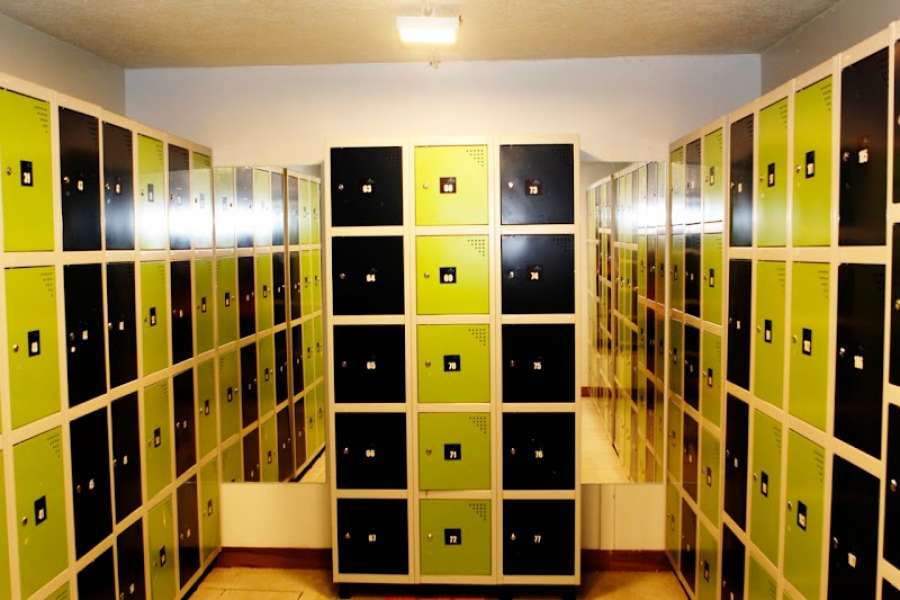


Espaco Lagoa
| Lagoa Spa | Thermas Lagoa | Flex Club | |
|---|---|---|---|
| Location | Bela Vista | Bela Vista | Consolação |
| Facilities | Sauna, Steam room, Jacuzzi, Dark rooms | Sauna, Steam room, Jacuzzi, Dark rooms | Sauna, Steam room, Jacuzzi, Dark rooms |
| Google Rating | 4.6/5 | 4.4/5 | 4.2/5 |
| Facebook Rating | 4.5/5 | 4.3/5 | 4.1/5 |
| Gayout Rating | 8.5/10 | 8.2/10 | 7.8/10 |
| Price Range (per visit) | R$40 - R$80 | R$50 - R$100 | R$30 - R$60 |
| Special Features | Themed events, private cabins | Themed events, dark rooms | Themed events, private cabins |
| Hours of Operation | Mon-Sun: 24 hours | Mon-Sun: 24 hours | Mon-Sun: 24 hours |
| Address | R. Dr. Veiga Filho, 104, Bela Vista, Sao Paulo | R. Dr. Veiga Filho, 90, Bela Vista, Sao Paulo | R. Dr. Veiga Filho, 53, Consolação, Sao Paulo |
| Contact Number | +55 11 3284-2699 | +55 11 3283-2722 | +55 11 3159-4514 |
| Reviews Summary | "Great atmosphere, friendly staff." | "Relaxing environment, good music." | "Nice sauna with a welcoming atmosphere." |