

Zurich Pride Festival 2026
- 20-21/6
- Zürich
- Details
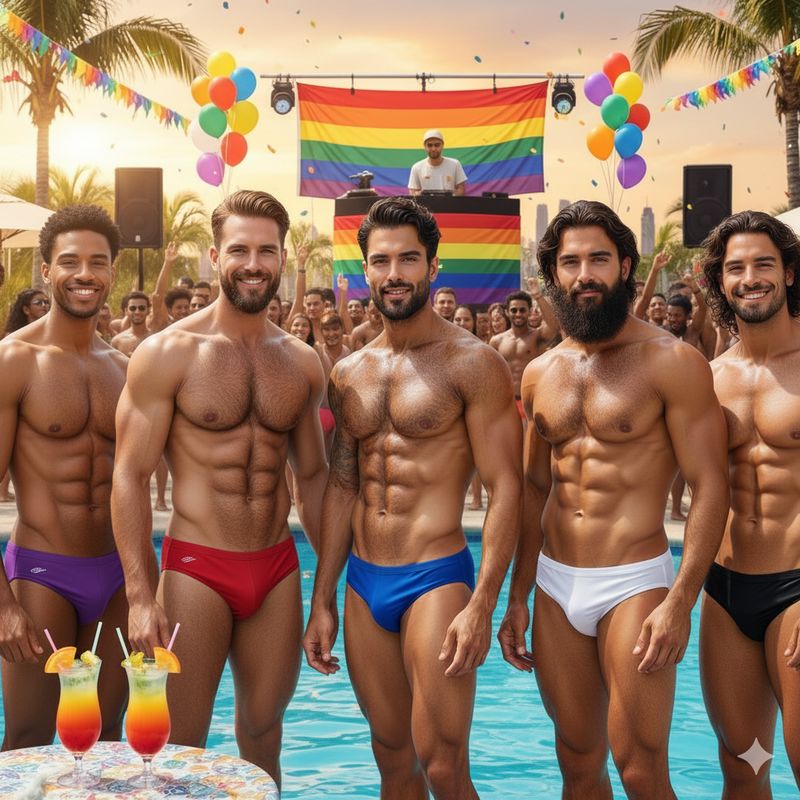
Zurich Pride Festival 2026
Zurich in early summer has a calm brightness that feels almost careful, as if the city knows how to hold both energy and quiet at the same time. Lake Zurich reflects long ribbons of light, trams move steadily, and the air has that clean softness that people often notice upon arrival. When Zurich Pride takes place, the city does not suddenly change character. Instead, the celebration seems to unfold naturally into public spaces that already invite gathering. By 2026, the festival is expected to continue its presence as one of the largest lgbtq+Q+ events in Switzerland, and yet the atmosphere remains approachable, personal, and grounded in daily life.
The Pride festival usually lasts several days, with events happening across the city. The parade and the lakeside festival are the central elements, but the feeling of Pride is just as present in smaller cafés, on riverside steps, in conversations under trees, and in the slow, warm evenings that seem to encourage people to stay outside a little longer.
The Parade Through the City
The parade often begins near Helvetiaplatz or Bellevue and moves toward the lakefront. The pace of the march is steady rather than rushed. People walk, wave, dance lightly, or hold one another’s hands without any sense of needing to perform. You hear music that shifts depending on where you are in the parade: brass bands, house tracks from portable speakers, drumlines that echo softly off the stone facades.
Spectators line the sidewalks, and there are often families with children wearing small flags draped over their shoulders. People greet friends they happen to recognize among the marchers. There is space for laughter and for stillness. Many describe the parade not as a spectacle but as a shared movement through the center of the city. The presence of the lake nearby adds something steady and expansive, as if the celebration is held by the landscape itself.
The Festival at the Lake
Once the parade reaches the lakefront, the festival area opens into a space filled with food stalls, community tents, and stages for live music. The scent of grilled dishes mixes with the fresh water air from the lake. People sit on the grass in groups, resting, talking, and listening to performances. Some swim, stepping into the lake slowly, letting the coolness settle on their skin after the heat of the walk.
The performances tend to be varied. Singers, DJs, drag artists, folk musicians, and dance groups share the same stage throughout the day. The sound system is clear but never overwhelming, allowing conversations to continue comfortably at the edges of the crowd. It is common to see people move closer to the stage for a favorite performer and then return to the water’s edge for a quiet moment once the set ends.
Nightlife During Pride Week
Zurich’s lgbtq+Q+ nightlife is calm during the rest of the year, but during Pride week it becomes more visible. Many celebrations take place in District 4, particularly near Langstrasse. This area has a mix of bars, late-night restaurants, and cultural spaces that stay open deep into the night.
Clubs like Heaven host events with DJs from across Europe, where electronic music sets the tone for long, continuous nights. The dance floor tends to be crowded but friendly, with people taking breaks outside on the street where conversations continue easily. Gonzo and Plaza Klub often host themed nights where the crowd blends visitors and locals, and the music ranges from house to pop to techno depending on the night.
Those who prefer a quieter evening often gather near the water instead. The steps along the Limmat River or the terraces near Zurich Opera House become informal meeting places late into the night. Someone might pull out a portable speaker, or simply sit in the warm air with friends, letting the city move around them.
Cultural Events and Community Spaces
Zurich Pride is not only a celebration. There are discussions, film screenings, art exhibitions, and gatherings focused on community care. These events are usually held in cultural centers and libraries, where the tone is reflective and direct. People speak about relationships, identity, history, and the challenges still present in Switzerland and beyond. The atmosphere in these rooms is always respectful. The conversations do not push for conclusions. They offer space for listening and recognition.
Art spaces often display work by lgbtq+Q+ artists in the weeks surrounding Pride. These works vary from photography to sculpture to digital installations. Many pieces explore intimacy, memory, and belonging. Visitors move slowly through these galleries, aware of the quiet, and often return later with friends.
Eating and Resting Between Events
One of the most memorable aspects of Zurich Pride for many travelers is how natural it feels to pause. The city supports rest without judgment. Whether sitting on the riverbank steps near Rathausbrücke or having iced coffee at a shaded café near Niederdorf, it is easy to breathe during the day. The pace of the city never demands a hurried schedule.
Restaurants in Zurich prioritize simple, well-prepared food. During Pride weekend, tables fill quickly, especially outdoors. People often linger long after the meal has finished, letting the conversation slow and change direction on its own. It is not unusual for strangers at neighboring tables to end up speaking with one another.
The Character of the City During Pride
Zurich does not try to perform anything extraordinary during Pride. This is what makes the festival so meaningful to many. The celebration blends with the city’s natural rhythm. Streets remain clean and calm, the trams continue their regular routes, the lake remains at the center of everything. The event does not create a temporary world; it allows what already exists to be seen more clearly.
The locals often show quiet support. They step aside to allow the parade to pass. They clap, they smile, they wave. They make room. That gesture of making room, rather than insisting on visibility or spectacle, is perhaps what leaves the deepest impression.
Planning a Visit for 2026
Travelers will likely find it easy to move through Zurich. Hotels near the lake, especially in District 1 and District 2, allow simple access to both the parade and the nightlife areas. Public transportation is reliable and clean, and most event sites can be reached on foot from the central district if one prefers to walk.
Summer weather can shift quickly. A light jacket is helpful for evenings, and sunscreen during daytime events near the lake is essential. Water is available easily throughout the city, and people often carry reusable bottles to refill at fountains, which are common and safe.
Closing Impressions
The Zurich Pride Festival in 2026 is likely to feel expansive yet gentle. The celebration holds joy without forcing it, and welcomes people without demanding performance. The city’s calm presence supports the festival in a way that feels steady and sincere.
The memories that linger are often quiet ones: warm stone under bare feet by the river, a shared laugh over a drink on a balcony at dusk, a crowd singing softly along to a song near the lake stage, a conversation that unfolds slowly and carefully under trees, the feeling of being recognized without needing to explain anything.
Zurich Pride does not overwhelm. It opens. And that may be what makes it unforgettable.













Upcoming Mega Events Nearby
1. Participate in the Parade; The Zurich Pride Parade is the highlight of the festival. Shouldn't be missed. It's a procession through the streets of Zurich that celebrates diversity, inclusivity and equality.
2. Explore the Street Festival; Another exciting aspect of the Zurich Pride Festival is the Street Festival. It's a party filled with delicious food, refreshing drinks, captivating music and mesmerizing performances. It offers an opportunity to meet people have a fantastic time and embrace pride.
3. Attend the Pride Party; The grand finale of the festival is the Pride Party. This incredible event showcases dance floors, talented DJs and amazing performers. It's a chance to let loose dance all night long with minded individuals.
4. Immerse Yourself in Zurichs lgbtq+Q+ Scene; Zurich boasts a lgbtq+Q+ scene with bars, clubs and year round events. Take some time to explore these spaces that celebrate queer culture and consider attending events or parties.
5. Support lgbtq+Q+ Causes; Remember that Pride isn't about celebration; it also serves as a platform, for advocating lgbtq+Q+ rights and equality. You can contribute by volunteering your time making donations to organizations or causes you believe in or getting involved in activism.